Why a Customer Portal is Essential for Modern Freight Forwarders
Monday, July 27 2026

In the fast-paced world of global logistics, your clients demand instant access to their shipment data and clear communication channels. Traditional manual methods like endless email chains and phone calls are no longer sufficient to maintain competitive advantages. By implementing a dedicated customer portal, freight forwarders can transition from reactive support models to proactive digital partnerships. This shift reduces administrative overhead while simultaneously increasing customer loyalty through radical transparency. As digital transformation continues to reshape the supply chain industry, providing a self-service experience is not merely an optional feature but a critical requirement for companies aiming to scale their operations effectively.
Boosting Operational Efficiency

Modern digital platforms allow your clients to manage their own booking requests and documentation directly through a secure interface. By automating these routine administrative tasks, your team gains valuable time to focus on complex logistical challenges rather than manual data entry.
- Automated booking requests: Clients can input their shipment details directly into your system, which eliminates manual errors and saves hours of back and forth email communication for every single order.
- Document management access: Provide instant access to invoices, packing lists, and bills of lading, ensuring that your customers always have the necessary paperwork for customs clearance without calling support.
- Real time status: Enable your customers to view the current movement of their cargo through interactive maps, reducing the number of status inquiries your team handles on daily basis.
- Simplified user onboarding: Intuitive interfaces allow your clients to start booking shipments immediately with minimal training, leading to higher adoption rates and smoother transitions for your existing business accounts.
Adopting a self-service portal effectively transforms your operational structure by shifting the burden of data entry onto the end user. Your staff will spend significantly less time chasing status updates or hunting for misplaced files. Consequently, the entire organization becomes more agile and responsive. This increased efficiency allows you to manage higher shipment volumes without the need to hire additional administrative support personnel.
Enhancing Client Transparency
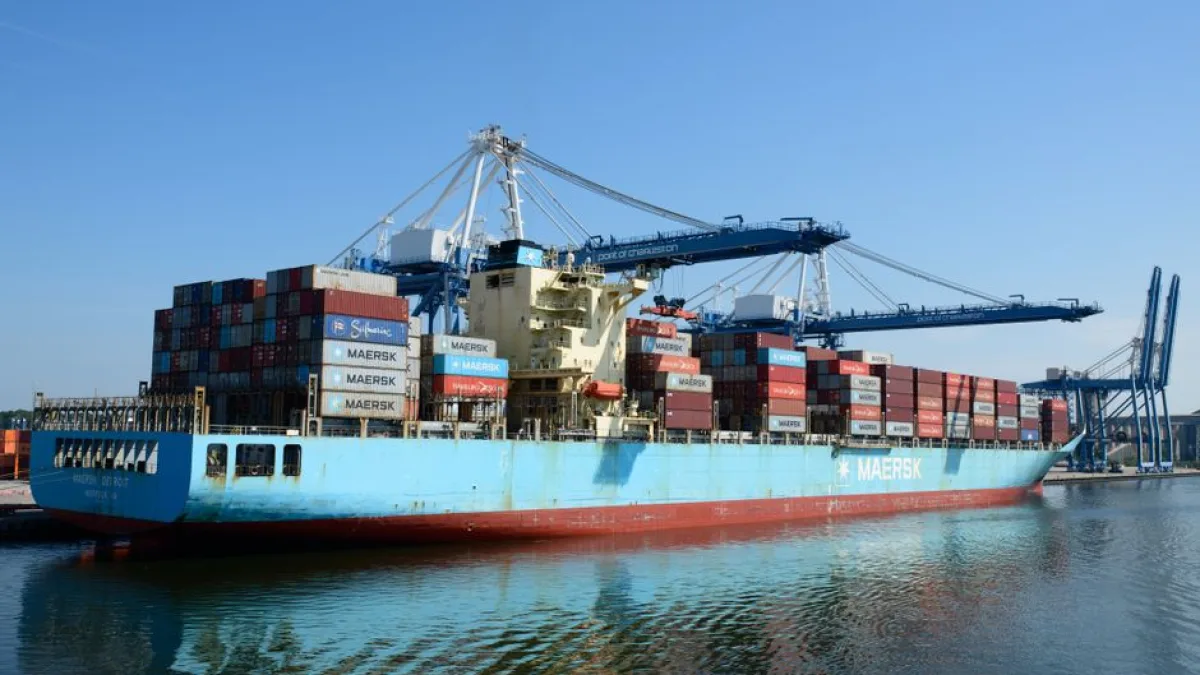
Transparency serves as the foundation for long-term trust in the freight forwarding industry. When clients can monitor their shipments in real time, they feel empowered and informed, which drastically reduces anxiety regarding potential delays or complex customs bottlenecks in transit.
- Live milestone tracking: Share granular updates about vessel departures or terminal arrivals so that customers can manage their own warehouse labor and distribution schedules with much higher precision.
- Proactive delay alerts: Automatically notify clients when unexpected disruptions occur, allowing them to adjust their supply chain strategies before a small issue evolves into a major business problem.
- Customized dashboard views: Offer clients the ability to filter and organize their shipment data based on specific project requirements, helping them analyze their logistics spend and performance metrics.
- Historical data access: Provide comprehensive archives of past shipments, which helps your clients perform better end of year audits and strategic planning for their future transport operations.
Providing clear and consistent information is the best way to distinguish your brand in a crowded market. When customers have instant visibility, they are much more likely to remain loyal to your services over time. Furthermore, this transparency creates a professional image that suggests your company is technologically advanced and reliable. It turns standard logistics services into a premium, data driven partnership experience.
Strengthening Data Security

Securing sensitive shipping data is paramount to maintaining your reputation and legal compliance in international trade. A professional customer portal ensures that information is shared through encrypted channels rather than being exposed in insecure email attachments or public messaging services.
- Role based access: Define specific permissions for different user levels to ensure that individuals only see the information relevant to their job function or specific company department.
- Encrypted communication logs: Keep all correspondence related to a specific shipment inside the portal, creating a permanent, secure audit trail that is accessible only to authorized staff members.
- Secure document exchange: Use the platform to send and receive sensitive legal documents, which prevents the risk of phishing or data breaches commonly associated with standard email attachments.
- Regular system backups: Ensure that all logistical data remains protected against hardware failures or cyber threats by utilizing robust cloud infrastructure that prioritizes the safety of your information.
Data breaches can cause irreparable damage to your reputation and cause massive financial losses. Moving away from email and into a secure, centralized environment minimizes your attack surface significantly. By standardizing where sensitive documentation is held, you guarantee that your clients receive a professional service. This commitment to security provides peace of mind for your partners during sensitive international shipping processes.
Improving Financial Clarity

Financial transparency regarding invoices and credit notes is a major pain point for many shippers. A robust portal allows your clients to track their financial standing, view pending payments, and download statements, which significantly speeds up the billing and reconciliation process for both parties.
- Consolidated billing portal: Allow your customers to view and settle all outstanding invoices from a single location, which drastically reduces the time spent on chasing down overdue payments.
- Instant payment integration: Facilitate quick and secure online payments for freight charges, ensuring your cash flow remains consistent and reducing the administrative workload for your accounting department team.
- Real time spend reports: Provide clients with automated reports that break down their shipping costs by lane, service type, or time period to assist with their internal budget management.
- Credit limit monitoring: Display available credit to your regular customers, preventing potential order delays due to financial status confusion and fostering a more open, honest professional relationship.
Streamlined financial management is essential for maintaining a healthy relationship between forwarders and their clients. By providing a clear window into billing, you eliminate disputes and confusion that often arise from manual invoicing practices. This level of clarity fosters trust and encourages repeat business. When financial administration becomes easy for the customer, they are far more likely to increase their shipment volumes.
Conclusion

Investing in a customer portal is the most effective way to modernize your freight forwarding business. By offering self-service tools, real time tracking, and secure financial management, you create a superior experience that drives long term growth. Start building your digital presence today to improve efficiency and boost client satisfaction across your global network. This transition is essential for any modern logistics company.