The Digital Evolution of Freight Forwarding Operations
Tuesday, August 4 2026
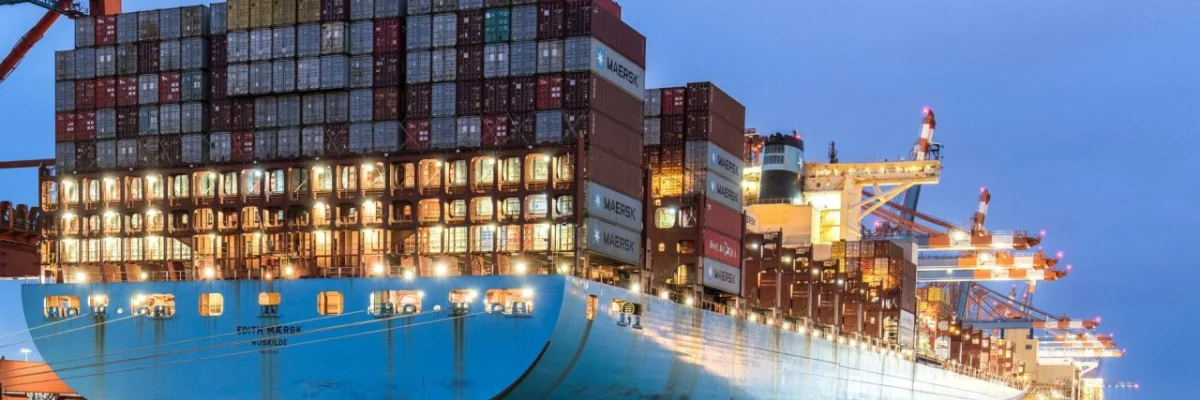
The global freight forwarding industry is currently undergoing a massive transformation driven by rapid technological advancements and shifting market demands. As shipping complexities rise, professionals must adapt to survive in an increasingly volatile logistical landscape. Legacy manual processes are no longer sustainable for firms aiming to maintain competitive margins and high service levels. Digital integration is the cornerstone of modern logistics, allowing forwarders to gain visibility, automate repetitive tasks, and ultimately deliver superior value to shippers. Embracing cloud-based solutions represents the most effective path forward for companies seeking long-term growth and resilience against the unpredictable nature of today's supply chain movements.
Optimizing Warehouse Management Systems

Modern warehouse facilities require high precision to manage inventory flows across global trade lanes. Integrating smart software allows teams to track cargo movements in real time while reducing human errors that occur during the manual data entry process at busy regional hubs.
- Automated inventory tracking: Systems now provide real time updates on stock levels to prevent delays in dispatching freight from the warehouse floor to the final destination point for customers.
- Efficient order processing: Digital platforms streamline the picking and packing stage to ensure that shipments are ready for transport within shorter timeframes than traditional paper based management methods.
- Enhanced floor space: Intelligent algorithms suggest optimal storage layouts to maximize available area, ensuring that high velocity goods remain easily accessible for rapid loading onto outbound freight vehicles.
- Data driven insights: Warehouse managers leverage advanced analytics to predict future capacity needs based on seasonal trends, helping firms prepare for spikes in volume without compromising service quality.
By implementing these advanced management systems, forwarders can significantly reduce their overhead costs and minimize idle time. The transition toward automated warehouse solutions empowers staff to focus on strategic client relations rather than tracking individual pallets manually. Such operational improvements translate directly into improved customer retention rates and a stronger reputation within the competitive shipping industry, proving that tech investments yield substantial long term returns.
Leveraging Real Time Cargo Visibility
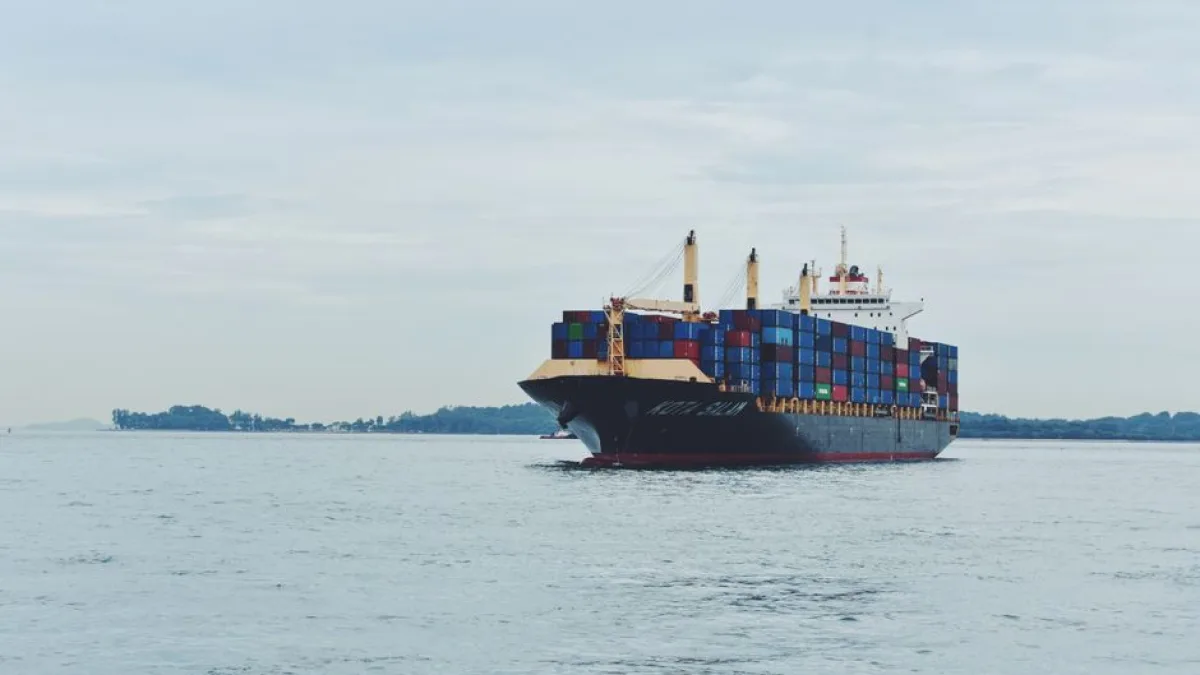
Visibility remains a top priority for shippers who demand constant updates regarding their cargo status. Modern digital platforms provide granular tracking details, allowing freight forwarders to offer transparent communication that builds long-term trust and strengthens core business partnerships globally.
- Predictive vessel tracking: Advanced satellite technology monitors container ships across global routes, providing accurate estimated arrival times that help logistics teams manage expectations during unexpected maritime weather delays.
- Instant status notifications: Automated alert systems send immediate updates to stakeholders whenever a shipment reaches a milestone, ensuring that everyone remains informed without constant manual check in calls.
- Unified dashboard access: Cloud platforms aggregate information from multiple carriers into a single view, simplifying the complexity of managing diverse supply chains for both forwarders and end clients.
- Exception management tools: When cargo faces potential disruption, these tools highlight risks early so that forwarders can suggest alternative routing options to keep freight moving toward its destination.
Transparency is the most valuable currency in modern logistics today. When freight forwarders provide clear, constant access to shipment locations, they eliminate the anxiety often associated with global trade. Investing in robust visibility software empowers your team to handle complex logistics with confidence, turning potential supply chain disruptions into manageable events that demonstrate your company professional expertise to every single client involved.
Automating Complex Documentation Processes

Paperwork remains one of the largest bottlenecks in international trade, often slowing down the movement of goods at customs borders. Shifting to digital document management systems helps forwarders handle large volumes of forms with speed, accuracy, and full regulatory compliance.
- Paperless electronic filing: Converting traditional manifests and bills of lading into digital formats ensures that all necessary records are stored securely and retrieved in seconds when requested.
- Standardized compliance checks: Intelligent software scans documents for inconsistencies against international trade regulations, preventing costly penalties and reducing the likelihood of cargo being held at border crossings.
- Seamless partner collaboration: Digital portals allow shipping lines, customs brokers, and shippers to access shared documents simultaneously, reducing communication lag and improving overall operational speed during transit.
- Secure cloud storage: Centralized digital archives keep sensitive trade information safe from physical damage while ensuring that historical data is readily available for future auditing or reporting purposes.
Manual data entry is a significant drain on productivity that prevents your staff from focusing on high-value tasks. By automating the documentation lifecycle, your firm can ensure compliance while simultaneously speeding up the clearance process at critical nodes. This shift not only saves time but also significantly reduces the risk of human error, protecting your company from the legal complications of incorrect shipping documentation.
Building Resilient Supply Chain Networks
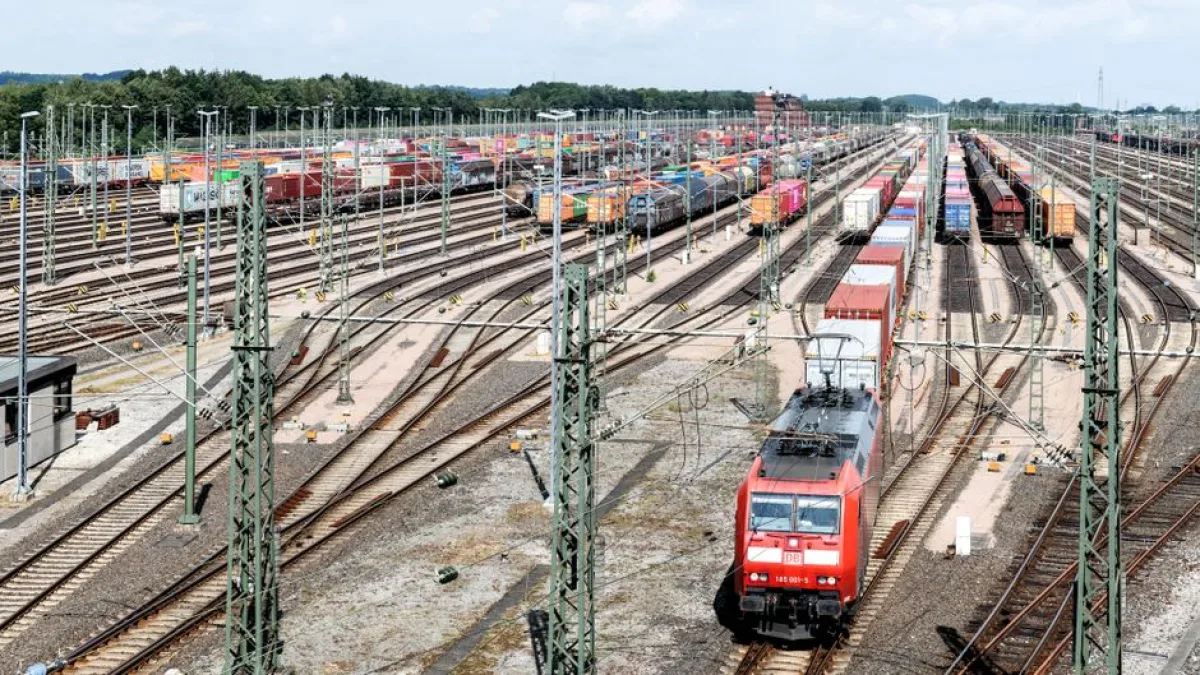
Building a resilient network involves connecting various partners through a unified digital platform. This integration creates a responsive ecosystem capable of handling sudden market changes, ensuring that your freight forwarding business remains robust even when external conditions become increasingly difficult.
- Dynamic partner integration: Connecting your software with carrier and agent systems allows for seamless information exchange, which is essential for maintaining momentum during periods of global trade uncertainty.
- Risk assessment modeling: Modern analytics platforms evaluate potential threats across the supply chain, enabling managers to design contingency plans that keep freight moving regardless of regional challenges.
- Strategic vendor alignment: Digital tools assist in identifying the most reliable service providers based on historical performance data, ensuring that your network consists of only high-quality partners.
- Scaling business operations: Cloud infrastructure allows you to add new partners or service regions rapidly, providing the necessary flexibility to expand your global reach without requiring massive investments.
Resilience is not just about reacting to crises; it is about proactive network management. By utilizing digital connectivity to monitor all aspects of your supply chain, you can identify weak points before they escalate into major disruptions. A connected, transparent network serves as the backbone of a successful forwarder, enabling your team to provide reliable service despite the volatility of the global economy.
Conclusion
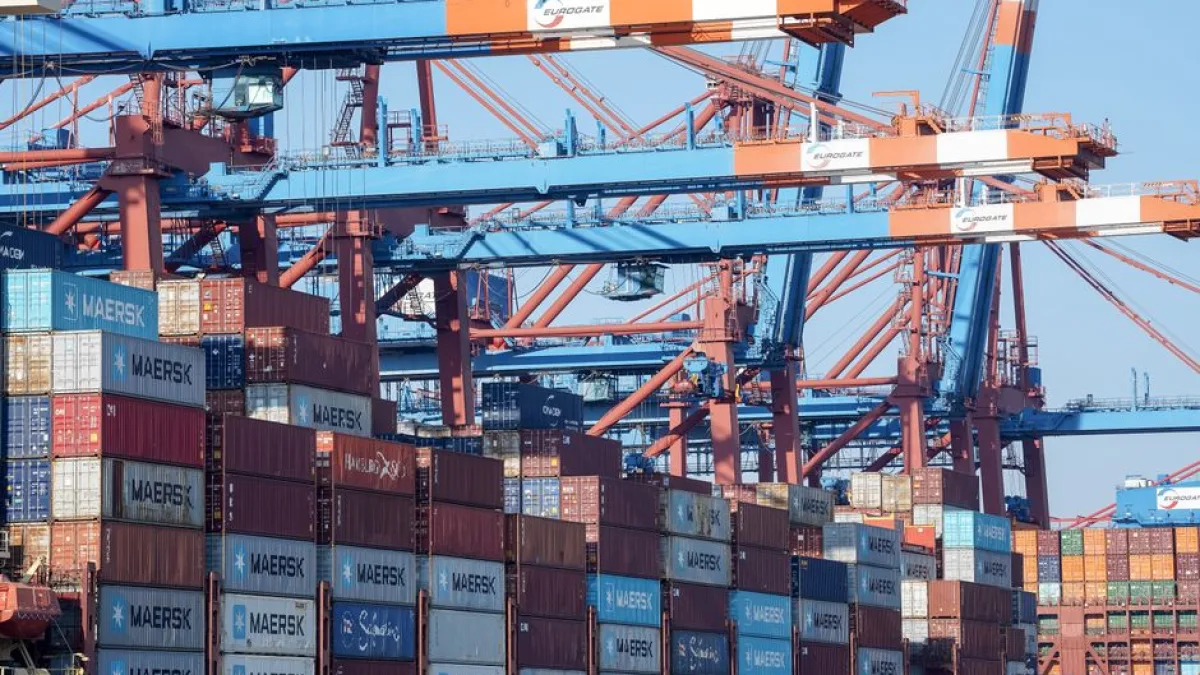
Technology is no longer an optional luxury but a core necessity for every freight forwarder. By embracing digital tools, you gain the agility required to stay ahead in an evolving market. Start exploring modern logistics software today to optimize your operations, improve client satisfaction, and secure your place in the future of global trade. The path to long-term success starts with digitizing your operations now.