The Digital Evolution of Freight Forwarding Operations
Tuesday, September 29 2026
The global logistics landscape is undergoing a profound transformation driven by rapid technological adoption and changing consumer expectations. Freight forwarders are increasingly tasked with navigating complex supply chain bottlenecks while simultaneously managing rising costs and volatile capacity constraints. To maintain a competitive edge in this environment, companies must transition away from legacy manual processes toward integrated, cloud-native platforms that provide real-time visibility. By embracing digital automation and data-driven insights, forwarders can enhance their operational efficiency, reduce human error, and deliver a superior customer experience that stands out in an increasingly crowded and globalized logistics marketplace.
Modernizing Fleet Management Systems
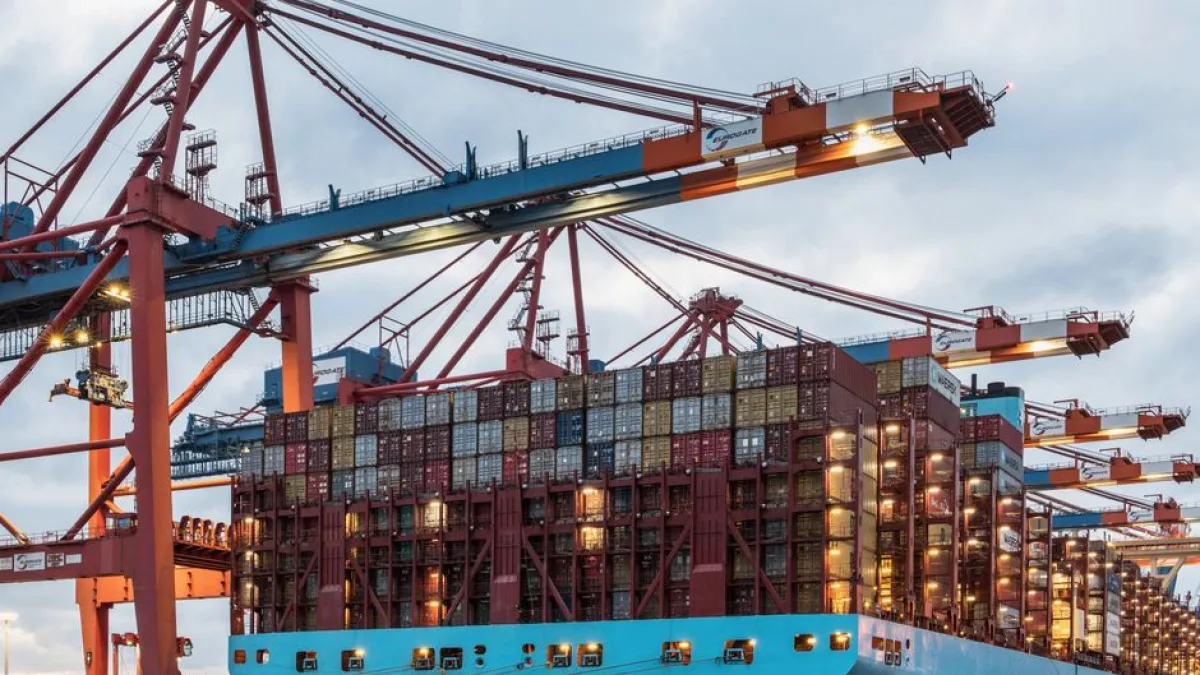
Advancements in fleet management allow logistics firms to track assets with unprecedented precision across global shipping lanes. Modern systems integrate satellite data and real-time monitoring to provide stakeholders with accurate vessel locations and potential arrival time estimates for improved scheduling.
- Automated route optimization: Intelligent algorithms calculate the most efficient shipping routes by analyzing weather patterns and port congestion data to save fuel and reduce total transit times for clients.
- Real-time vessel tracking: Advanced satellite technology provides constant updates on container positions, allowing forwarders to proactively communicate status changes to customers before problems occur during the transit process.
- Fuel consumption monitoring: Integrated sensors track fuel usage patterns across the entire fleet, enabling operators to identify inefficiencies and implement strategies that significantly lower operational overhead and emissions.
- Predictive maintenance scheduling: Data analytics identify potential equipment failures before they happen, allowing teams to perform repairs during planned downtime rather than facing costly and unexpected logistical delays.
By shifting to these sophisticated tracking methods, forwarders gain a transparent view of their supply chain operations. This level of clarity fosters trust with partners and clients alike. As margins continue to tighten, the ability to minimize unexpected costs through data-backed decisions remains a critical advantage. Companies that invest in these digital tools will see significant improvements in long-term profitability and overall service reliability.
Streamlining Documentation and Compliance

Digitizing manual documentation is the cornerstone of a modern freight business, as it eliminates cumbersome paper trails. Cloud-based platforms facilitate the seamless exchange of trade documents, customs declarations, and bills of lading to ensure full regulatory compliance across borders.
- Electronic document storage: Centralized digital repositories allow teams to access critical shipping files from anywhere in the world, reducing storage costs and preventing the loss of essential paperwork.
- Automated customs filing: Software tools automate the submission of mandatory trade documents to customs authorities, ensuring accuracy while reducing the time spent on manual data entry tasks.
- Instant signature verification: Integrated digital signing tools expedite the approval process for contracts and shipping instructions, removing traditional delays associated with mailing physical documents for authorized signatures.
- Regulatory compliance updates: Automated alerts notify your team about changing international trade regulations, ensuring your documentation processes remain fully compliant with the latest global shipping laws and requirements.
Standardizing these workflows significantly reduces the administrative burden on your logistics team. By removing manual document handling, forwarders can focus on high-value tasks that contribute directly to company growth. Investing in paperless systems represents a commitment to both operational speed and sustainability. These improvements ultimately lead to faster processing times and a more streamlined experience for all parties involved in trade.
Enhancing Customer Transparency Standards

Today's shippers demand immediate access to information regarding their cargo status at every stage of the transit. Providing a customer-facing portal builds long-term loyalty by empowering clients with self-service capabilities that require no direct interaction with your team.
- Client portal access: Dedicated web platforms allow customers to check the status of their shipments at any time, reducing the volume of inbound status inquiry emails and calls.
- Automated status notifications: Smart software triggers real-time alerts via email or mobile push notifications, keeping customers informed about milestone updates throughout the entire lifecycle of their shipments.
- Self-service quoting tools: Instant rate calculation features enable customers to obtain accurate pricing quotes immediately, which helps your sales team convert prospects into paying clients much faster.
- Document retrieval access: Clients can securely download invoices and proof of delivery documents whenever they need them, simplifying their own internal record-keeping and accounts payable reconciliation processes.
When you offer transparent, self-service options, you empower your customers to manage their own logistics needs more effectively. This shift in service strategy reduces the workload on your customer support staff while simultaneously increasing overall client satisfaction rates. By prioritizing clear communication and easy data access, your agency builds a reputation for reliability that keeps your valued customers coming back for years.
Optimizing Warehouse and Storage Logistics

Effective warehouse management ensures that the transition between land and ocean freight remains fluid and efficient. Modern software solutions coordinate inventory levels, space utilization, and cargo handling to prevent bottlenecks in busy distribution hubs and port storage facilities.
- Inventory visibility tools: Dynamic dashboard systems display current stock levels and storage locations, ensuring that your staff can retrieve cargo quickly during peak seasons and busy time periods.
- Automated storage allocation: Intelligent systems assign storage slots based on cargo size and transit priority, maximizing the total capacity of your warehouse and reducing wasted physical space.
- Barcode scanning integration: Handheld scanner compatibility ensures that every item movement is recorded instantly in the cloud, maintaining perfect inventory accuracy throughout the life of the shipment.
- Efficiency reporting analytics: Detailed performance reports highlight areas for improvement, such as loading times or staff efficiency, providing clear evidence-based guidance for future resource and labor allocation.
Optimized storage workflows are essential for maintaining the overall speed of the international supply chain. When warehouse operations are managed with precision, forwarders can handle higher volumes of cargo without sacrificing quality or service speed. By utilizing these advanced management techniques, your company will be better positioned to handle unexpected surges in demand while keeping operational costs within your strict budget.
Conclusion
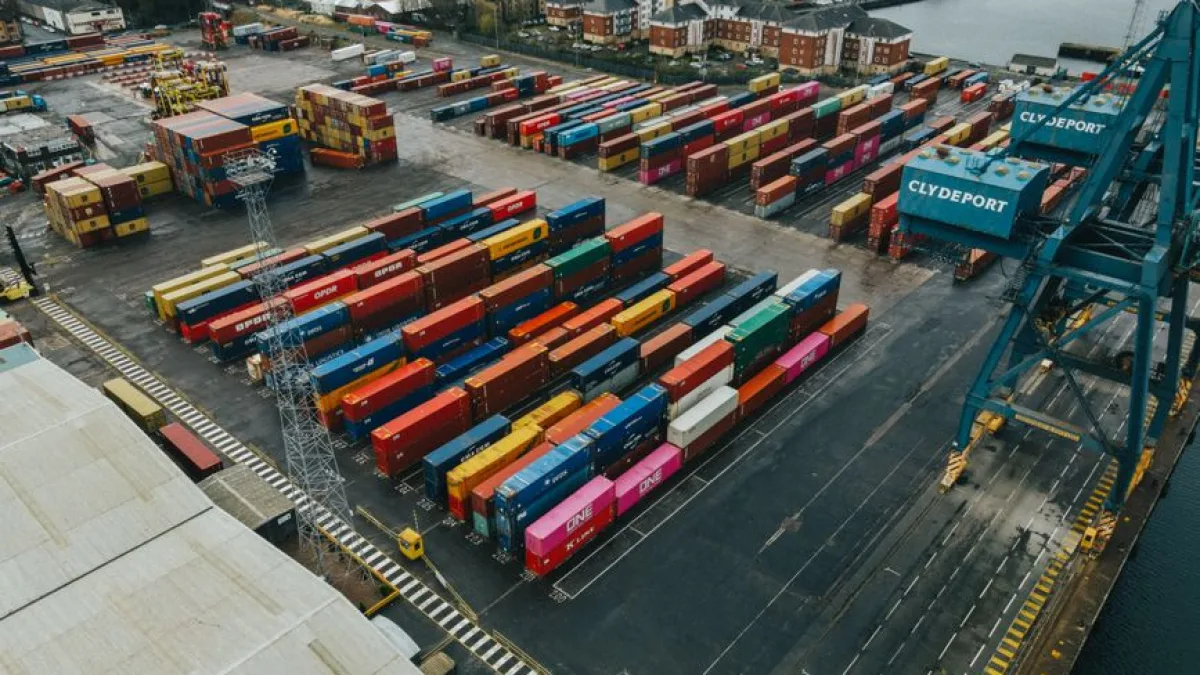
The freight forwarding industry is moving toward a highly interconnected future defined by automation and transparency. By adopting cloud-based platforms and digitizing critical workflows, professionals can overcome traditional barriers to success. Now is the ideal time to evaluate your current processes and implement digital solutions that scale. Stay ahead of market trends by contacting our team to explore modern freight software capabilities today.