The Digital Evolution of Freight Forwarding in 2025
Monday, August 10 2026
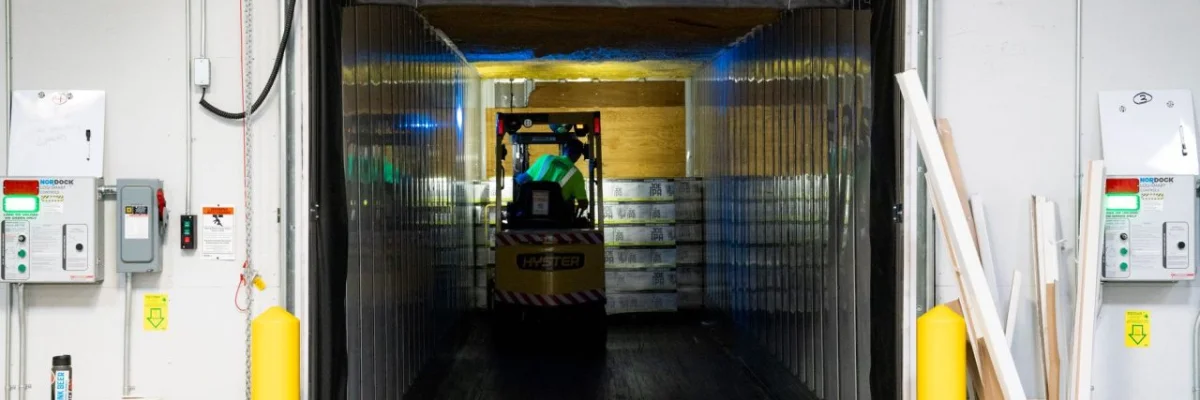
The global logistics landscape is undergoing a massive transformation driven by rapid technological integration and shifting consumer expectations. As freight forwarders face increasing pressure to provide real-time visibility and seamless communication, legacy manual processes are becoming obsolete. Companies that embrace cloud-based platforms and data-driven insights are finding themselves better equipped to navigate volatile supply chain environments. By prioritizing agility and automation, forwarders can enhance operational efficiency, reduce costly human errors, and provide superior service levels that differentiate them from competitors who remain reliant on antiquated methods in an increasingly digital and hyper-connected global marketplace.
Optimizing Warehouse Operations
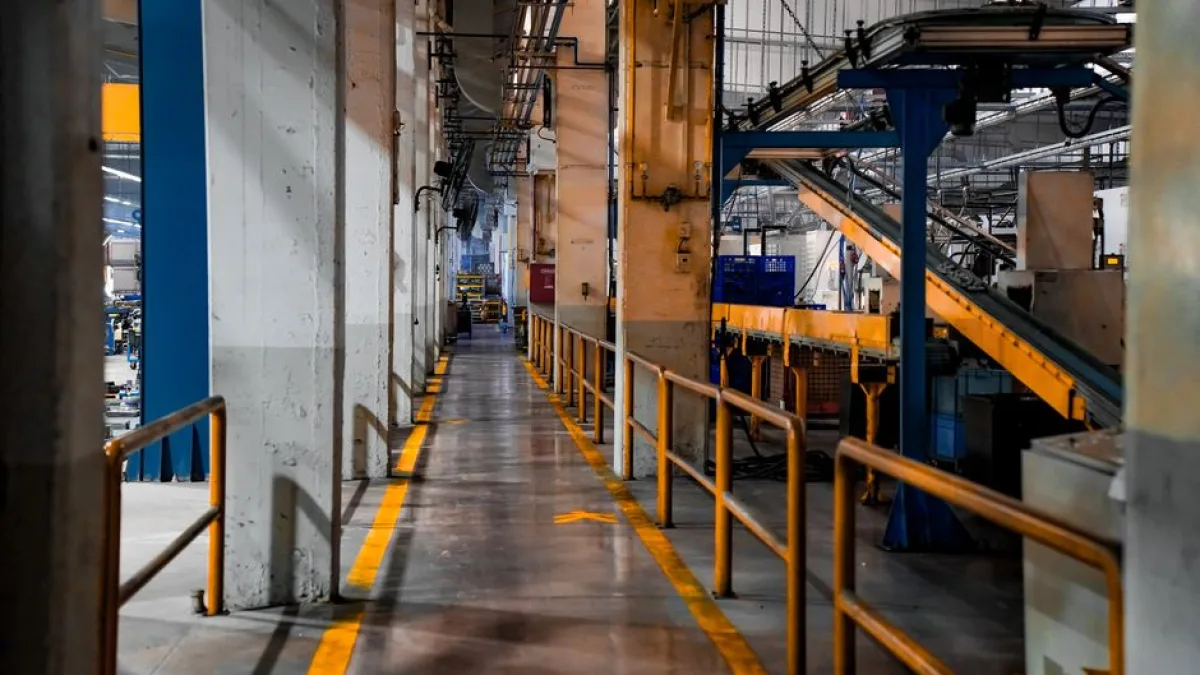
Modern warehousing requires a high degree of precision to manage complex inventory flows effectively. By leveraging automated systems, forwarders can ensure that cargo handling remains consistent and fast, significantly reducing the downtime associated with manual tracking and physical logistics coordination.
- Automated inventory tracking: Implementing real-time scanning technology allows teams to monitor cargo movement throughout the facility, providing accurate stock levels that minimize storage errors and optimize space utilization across the warehouse.
- Advanced sorting systems: High-speed mechanical sorters categorize packages based on final destination, ensuring that shipments are grouped efficiently to meet tight carrier departure schedules and reduce transit handling times significantly.
- Predictive data analytics: Software tools analyze historical throughput patterns to forecast peak demand periods, enabling managers to allocate staffing resources appropriately and avoid bottlenecks during high-volume shipment seasons.
- Seamless system integration: Connecting warehouse management software with freight forwarding platforms eliminates data silos, allowing for automated updates that keep stakeholders informed about the exact status of their cargo.
Transforming warehouse operations through automation is no longer a luxury but a fundamental necessity for competitive firms. These technological investments create a robust foundation that supports scalability, allowing forwarders to handle larger volumes without sacrificing accuracy. As these systems communicate directly with customer portals, clients receive consistent updates that foster trust and long-term business relationships in this fast-paced logistics industry.
Digital Documentation Management

Transitioning from traditional paper records to digital documentation is a critical step for modern logistics companies. Digitization reduces the risk of document loss, speeds up processing times for customs declarations, and ensures that sensitive information is stored securely for compliance.
- Cloud storage solutions: Centralized digital repositories allow team members to access critical shipping documents from any location, fostering better collaboration and reducing the time spent searching for files.
- Automated document indexing: Intelligent software automatically tags incoming manifests and bills of lading based on predefined keywords, making retrieval fast and effortless for busy operations teams working under pressure.
- Secure electronic signatures: Utilizing blockchain or encrypted signing platforms ensures that contracts and legal documents are authenticated instantly, preventing delays caused by mailing physical copies across different international borders.
- Compliance verification tools: Integrated software checks digital documents against current customs regulations in real time, catching potential errors before submissions and avoiding expensive fines or shipment delays at borders.
By moving to a paperless environment, forwarders significantly improve their turnaround speed and accuracy. This shift not only streamlines internal workflows but also improves the transparency of the entire shipping lifecycle. Clients appreciate the ability to view documents instantly through secure portals, which reduces administrative burdens for all parties involved and positions the freight forwarding company as a modern leader in logistics.
Real-Time Freight Visibility

Providing clients with real-time tracking updates has become the standard for professional freight forwarders. Visibility platforms offer complete transparency, allowing stakeholders to monitor the precise location of shipments throughout the entire journey from point of origin to destination.
- GPS tracking integration: Advanced connectivity allows for live tracking of vessels and trucks, giving clients an accurate view of their cargo location directly through a branded web interface.
- Automated status alerts: Proactive notifications are sent via email or mobile app the moment a milestone is reached, keeping customers informed without requiring manual check-ins with your team.
- Exception management dashboards: Identifying potential delays early through sensor data enables proactive communication with the client, allowing for alternative routing plans before the shipment is significantly compromised by unforeseen events.
- Interactive client portals: Providing customers with a self-service dashboard reduces support calls, allowing them to view shipment statuses, download tracking reports, and manage their logistics requirements independently and securely.
Real-time visibility creates a powerful competitive advantage by turning logistics into a value-added service rather than just a cost center. By proactively managing exceptions and keeping clients informed at every stage of the journey, forwarders can build stronger professional reputations. This level of transparency effectively manages expectations, reduces friction during unexpected disruptions, and ultimately contributes to higher levels of client satisfaction and retention.
Leveraging Artificial Intelligence

Artificial intelligence is redefining how freight forwarders handle planning, pricing, and route optimization. By processing massive amounts of shipping data, AI models provide actionable insights that help companies make smarter decisions and respond quickly to changing global market conditions.
- Dynamic pricing models: AI algorithms analyze market trends and carrier capacity to recommend competitive shipping rates, helping forwarders win more business while maintaining healthy margins on their service offerings.
- Optimized routing decisions: Software evaluates multiple transit routes simultaneously, selecting the most cost-effective and fastest options based on current traffic, weather, and port congestion reports from around the world.
- Resource allocation planning: Machine learning forecasts demand spikes, allowing managers to negotiate better rates with carriers in advance and ensure that space is booked before the market becomes saturated.
- Automated customer service: Chatbots and virtual assistants handle routine client inquiries regarding documentation or tracking, allowing your human staff to focus on solving complex problems that require expert judgment.
Investing in artificial intelligence enables forwarders to work much smarter rather than just working harder. These sophisticated tools handle repetitive tasks and complex calculations with incredible speed, freeing up valuable time for strategic growth and client relationship development. Firms that successfully adopt AI-driven systems today will find themselves well-positioned to navigate the complexities of future trade and excel in a highly digitized industry.
Conclusion

Embracing digital transformation is essential for freight forwarders looking to remain relevant and competitive. By integrating automation, digital documentation, real-time tracking, and artificial intelligence into your daily operations, your firm can achieve unprecedented efficiency and client satisfaction. Start upgrading your logistics infrastructure today to ensure long-term success. Contact the MakeCargo team to discover how our cloud-based platform can support your digital transition journey.