The Digital Evolution of Global Freight Forwarding Logistics
Friday, September 25 2026
The global logistics landscape is undergoing a profound transformation driven by rapid technological integration and shifting trade dynamics. As freight forwarders grapple with increasing volatility and rising customer expectations for transparency, the necessity for robust cloud-based platforms has never been more critical. Industry professionals are now moving away from legacy manual systems toward centralized digital ecosystems that prioritize data visibility and operational efficiency. This shift enables forwarders to mitigate supply chain risks while providing superior service to their international clientele. By embracing digital agility, companies can navigate the complexities of modern trade with greater confidence, precision, and long-term scalability in a competitive market.
Optimizing Warehouse Inventory Tracking

Warehouse management remains a foundational element of the supply chain, requiring precise coordination between incoming stock and outbound shipments. Modern cloud tools allow for real-time tracking that minimizes human error and ensures that inventory levels remain aligned with current market demand patterns.
- Advanced Barcode Scanning: Implementing high-speed scanning solutions ensures that every pallet is accounted for during intake, significantly reducing discrepancies in the physical inventory and the digital software records.
- Automated Stock Alerts: Setting up threshold notifications allows warehouse managers to proactively restock critical items before a shortage impacts the flow of goods to global shipping vessels.
- Predictive Capacity Planning: Data analytics tools help teams forecast space requirements based on historical trends, preventing bottlenecks during peak shipping seasons or unexpected influxes of new freight.
- Enhanced Load Security: Utilizing digital sensors ensures that high-value cargo remains in secure areas, providing audit logs that demonstrate compliance with international safety and security regulations today.
Forwarders who integrate these technologies into their daily workflow gain a significant advantage in resource allocation. By automating the mundane aspects of inventory management, staff members can focus their energy on high-level strategy and client relations. This evolution reduces overhead costs and builds a resilient foundation for long-term growth, ensuring that every movement of goods is tracked with professional accuracy and complete transparency.
Leveraging Real-Time Freight Tracking
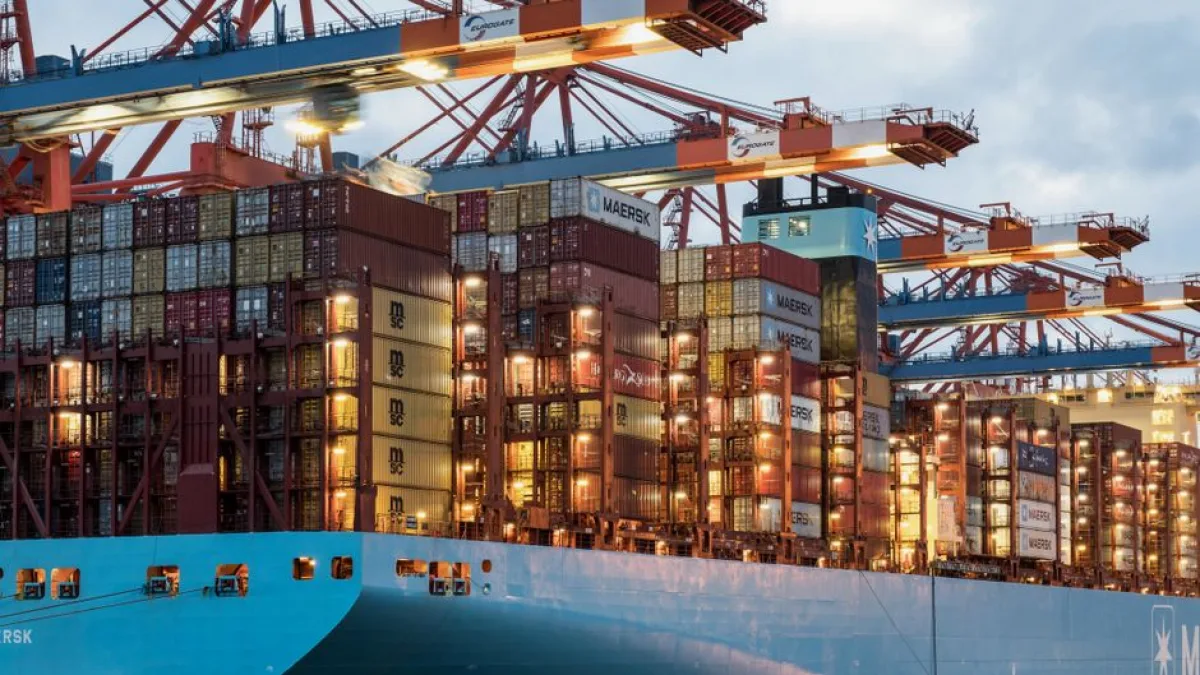
Visibility is the primary currency for logistics success in the current era. Clients expect instantaneous updates regarding their shipment status, necessitating platforms that provide granular data from departure to final delivery across multiple transport modes and international borders.
- Live GPS Monitoring: Cloud-based dashboards offer continuous updates on vessel location, allowing teams to react swiftly to weather delays or port congestion without manual data checking.
- Customized Client Portals: Providing customers with direct access to tracking info reduces the volume of status inquiries handled by your operations team on a daily basis.
- Geofencing Alert Systems: Automated notifications trigger as soon as a shipment crosses a specific geographic boundary, ensuring stakeholders are informed immediately of any critical status changes.
- Integrated Carrier Feeds: Connecting your dashboard directly to major ocean and air carrier systems ensures that you receive the most accurate arrival estimates without manual intervention.
Providing this level of clarity strengthens the trust between forwarders and their clients. When customers feel empowered by the data provided, loyalty increases, which contributes to higher retention rates. Investing in reliable tracking software ensures your company remains a leader in transparency. Such digital capabilities are no longer just optional enhancements but are mandatory features for staying competitive in the shipping industry.
Streamlining Documentation and Compliance

Managing international documentation is historically the most labor-intensive part of freight forwarding. Shifting from paper-based files to cloud-based document management saves time, reduces errors during customs clearance, and ensures that all legal requirements are met across diverse international territories.
- Automated Customs Filing: Digital platforms convert standard documents into the specific formats required by customs authorities, speeding up the clearance process and avoiding costly administrative errors.
- Centralized Document Vaults: Storing all bills of lading and commercial invoices in a secure cloud environment makes retrieval simple for audits or client document requests.
- Electronic Signature Integration: Utilizing legal e-signature tools eliminates the need for physical printing and courier services, accelerating the sign-off process for international shipping contracts and agreements.
- Compliance Audit Trails: Detailed logs track who accessed or modified specific documents, which provides necessary accountability and proof of due diligence for all international logistical operations.
Efficient documentation management directly influences the speed of the entire supply chain. By minimizing the time spent on administrative tasks, forwarders can expedite the movement of goods through ports and terminals. This optimization helps avoid late fees and improves overall client satisfaction. Embracing a paperless strategy is a sustainable and professional approach that defines the modern, tech-forward logistics enterprise of today.
Enhancing Global Supply Chain Collaboration

Success in logistics depends on the ability to collaborate effectively with carriers, agents, and customs brokers globally. A shared digital workspace facilitates seamless communication, ensuring that all partners are synchronized and working toward the same objective of timely and successful cargo delivery.
- Shared Project Dashboards: Centralizing communication allows all involved parties to view the latest status updates, reducing the risk of misaligned information across the entire logistics chain.
- Instant Messaging Integration: Built-in chat features allow team members to resolve issues in real-time, preventing the common delays associated with traditional, fragmented email communication chains.
- Vendor Performance Metrics: Tracking the response times and reliability of third-party agents helps you choose the best partners for future shipments based on objective data.
- Synchronized Task Assignment: Distributing responsibilities through a cloud platform keeps internal teams focused on their specific goals while maintaining awareness of the broader organizational project progress.
Fostering a culture of digital collaboration ensures that even the most complex shipments are managed with cohesion and speed. By removing communication silos, freight forwarders create a unified front that can handle global disruptions effectively. This collaborative framework is essential for scaling operations across international boundaries. Modern software enables this synergy, transforming global logistical challenges into streamlined, manageable tasks for your entire organization.
Conclusion
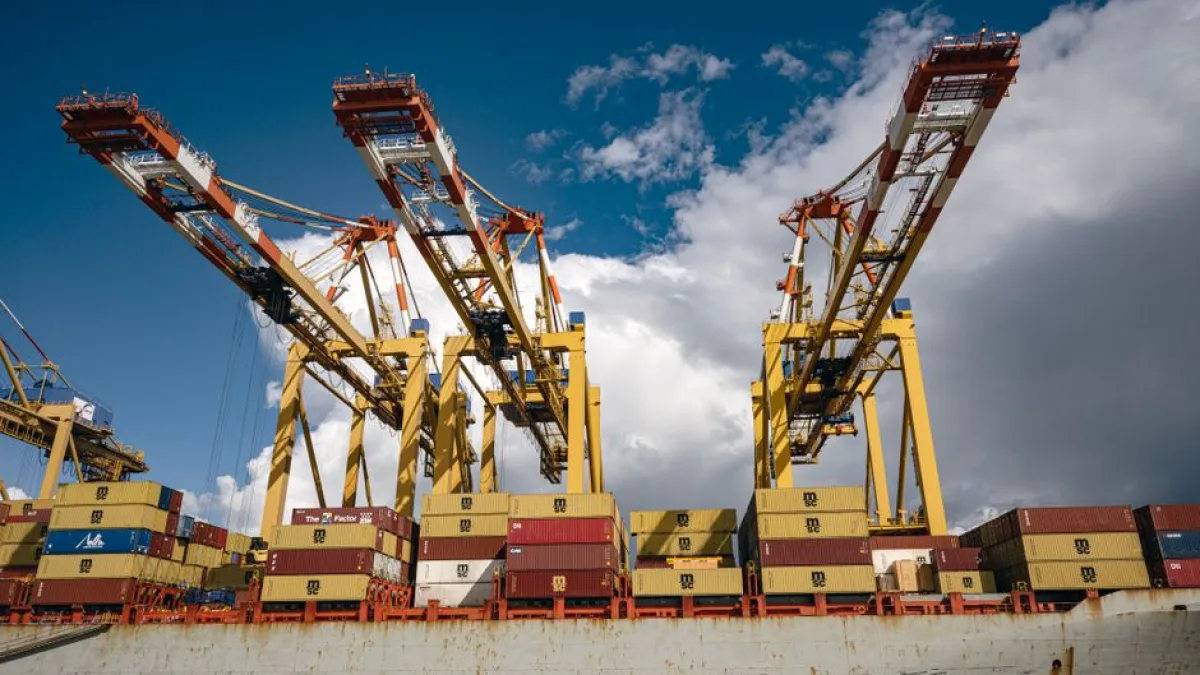
Adopting cloud-based solutions is essential for forwarders who want to thrive in the modern market. By focusing on visibility, compliance, and effective collaboration, your business can overcome the traditional barriers that hinder growth. Now is the time to audit your current digital stack and implement improvements that streamline your daily logistics operations. Reach out to the MakeCargo team today to start your upgrade.