Digital Transformation: Why Freight Forwarders Need Modern Software Integrations
Wednesday, August 5 2026

The global logistics landscape is undergoing a massive shift as digital transformation moves from a competitive advantage to an absolute business necessity. Freight forwarders often struggle with fragmented processes, manual data entry, and siloed communication channels that stifle growth and erode profit margins. By adopting a cloud-based software platform, forwarders can centralize their operations, automate complex documentation tasks, and provide real-time visibility to their clients. This integration of technology not only streamlines daily workflows but also empowers logistics providers to scale their services rapidly in an increasingly volatile global market, ensuring they remain resilient against evolving industry demands.
Automated Workflow Efficiency

Digital automation acts as the backbone of modern freight forwarding by eliminating repetitive manual data input processes. When systems talk to each other seamlessly, errors vanish and speed increases, allowing your team to focus on high-value client relationship building activities.
- Data accuracy boost: Automating the transfer of shipping documents reduces human errors caused by manual typing, ensuring that your bills of lading and commercial invoices remain compliant with customs regulations.
- Faster booking processes: Integrated platforms enable forwarders to pull capacity data directly from carriers, which significantly accelerates the rate quoting process for customers waiting on urgent logistics pricing information.
- Workflow task automation: Customizable software triggers notify staff automatically when a shipment status changes, preventing delays and keeping every stakeholder informed without the need for constant manual email status updates.
- Error reduction strategies: By centralizing master data across one platform, companies ensure that customer addresses and commodity codes are verified consistently, preventing costly customs holds and shipment rejections globally.
Optimizing your internal operations is the first step toward achieving operational excellence. When your software handles the heavy lifting of data synchronization and repetitive tasks, your staff can transition from administrative work to strategic management. This shift leads to higher employee satisfaction and a much more reliable service offering that attracts high-volume shippers looking for consistency and precision in their complex supply chains.
Real-Time Cargo Visibility
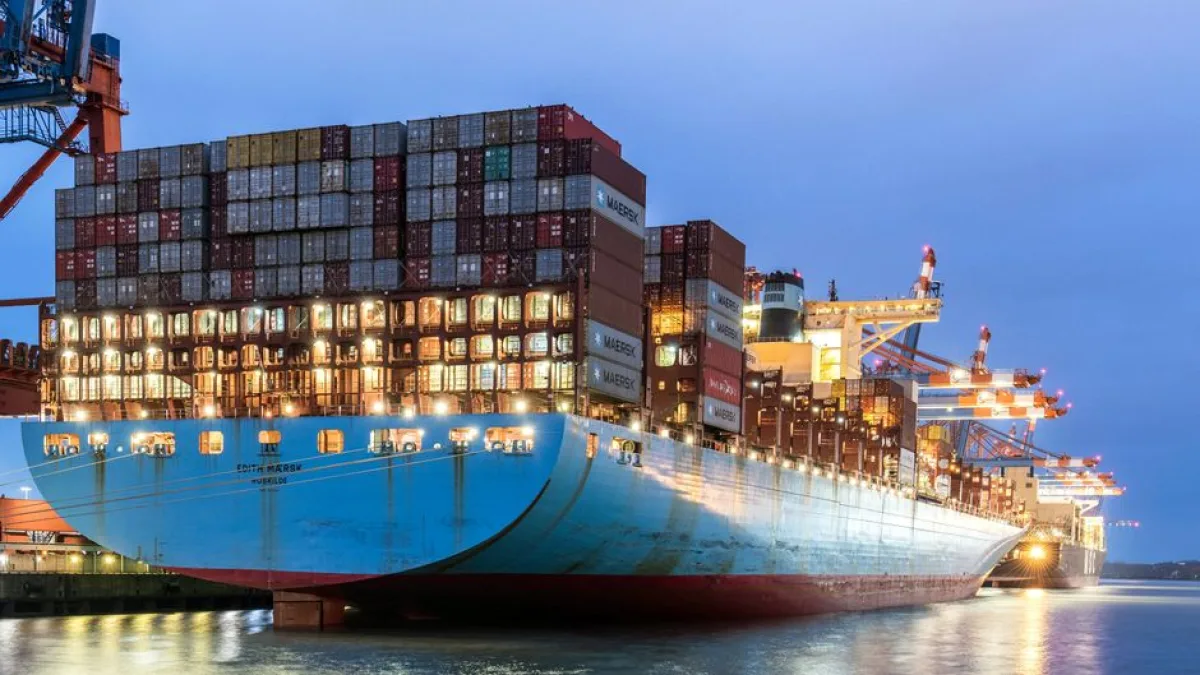
Shippers today demand granular visibility into their cargo movements from origin to final destination. Providing this level of transparency is no longer optional, but rather a standard expectation for logistics partners seeking to maintain long-term client retention and satisfaction.
- Live tracking updates: Integrated tracking systems pull status data directly from carrier APIs, providing clients with precise location updates without the need for manual status checks or phone calls.
- Proactive delay management: Automated alerts notify forwarders of vessel schedule changes or port congestion, allowing your team to communicate issues to clients before they become major logistical crises.
- Client portal access: Giving your customers a branded portal allows them to view their shipment status independently, which reduces the inbound query volume managed by your customer support.
- Operational transparency gains: Providing clear visibility through a unified dashboard builds immense trust with your client base, positioning your company as a modern and reliable partner in logistics.
Transparency is a critical pillar of modern customer service. By leveraging technology to provide real-time updates, you transform the customer experience from reactive to proactive. Clients feel empowered when they can monitor their goods without constant intervention, leading to stronger partnerships and increased repeat business. Investing in visibility tools ensures that your brand remains the top choice for modern and demanding shippers.
API-Driven Carrier Connectivity
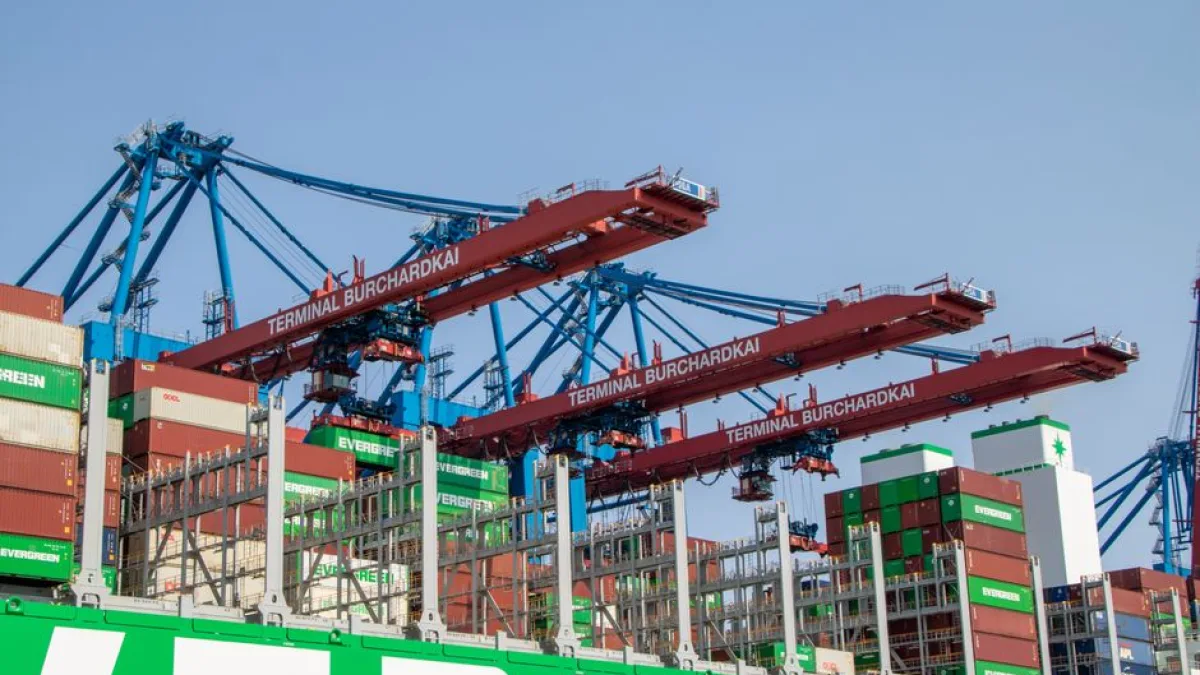
Seamless connectivity with shipping lines, trucking fleets, and customs authorities is vital for modern freight forwarders. API-driven platforms facilitate this exchange of information, ensuring that your internal data remains perfectly aligned with the broader global logistics network at all times.
- Carrier data synchronization: APIs allow your system to receive live vessel schedules and capacity updates directly, ensuring that your internal bookings match the carrier network systems accurately.
- Customs compliance integration: Connecting your freight platform with national customs systems ensures that every filing is handled correctly, preventing border delays and reducing the risk of heavy fines.
- Seamless partner collaboration: Sharing specific shipment details with overseas agents through secure API connections improves communication speed and accuracy, reducing the chance of misunderstandings during international cargo movements.
- Scalable system architecture: Modern API frameworks are built to handle high volumes of data, meaning your platform can grow effortlessly as you take on more shipments and partners.
Building a robust network of digital connections requires a scalable architecture that evolves with your business. As you expand your reach into new trade lanes, API-driven connectivity ensures your operations do not falter under increased complexity. This technical foundation allows you to add new carriers and partners to your workflow in minutes rather than weeks, keeping you ahead of your direct competition.
Data Security and Compliance

Protecting sensitive cargo information and customer data is paramount in today's era of digital threats. Cloud-based freight software provides the enterprise-grade security layers necessary to protect your business and maintain compliance with global data privacy and trade regulations.
- Encrypted data storage: All shipment records are protected using advanced encryption standards, ensuring that private information remains inaccessible to unauthorized entities while being accessible to your authorized internal teams.
- Regular security auditing: Leading cloud platforms conduct frequent security assessments to identify vulnerabilities, protecting your critical logistics data against modern cyber threats and potential unauthorized access attempts daily.
- Regulatory compliance adherence: Automated compliance checks help ensure your processes remain aligned with changing international trade laws, reducing the risk of legal complications in various cross-border shipping markets.
- Automated backup systems: Cloud storage solutions automatically replicate your operational data across secure servers, ensuring that your records are never lost due to hardware failure or local accidents.
Security is the silent partner of every successful digital freight forwarding firm. By relying on cloud infrastructure, you gain access to professional grade protection that is often beyond the budget of smaller firms if managed independently. Prioritizing data safety shows your clients that you value their business and privacy, further cementing your reputation as a safe, professional, and forward-thinking logistics market leader.
Conclusion

Adopting modern technology is the ultimate key to unlocking growth for freight forwarders. By integrating cloud software, you optimize efficiency, improve visibility, and secure your data against threats. The transition to a digital-first approach empowers your team to deliver superior service while scaling operations with ease. Start your digital transformation journey today by evaluating how these advanced integrations can modernize your unique logistics operations.