Digital Transformation in Freight Forwarding: Leveraging Modern Tech Integrations
Monday, August 3 2026

The global logistics landscape is undergoing a massive shift as freight forwarders move away from manual, spreadsheet-based workflows toward integrated, cloud-native platforms. Modern shipping demands unprecedented transparency, speed, and accuracy, forcing companies to adopt robust digital infrastructures to remain competitive. By bridging the gap between legacy systems and real-time data streams, businesses can now orchestrate complex supply chains with ease. As a freight forwarder, choosing the right technology partner is no longer just an operational decision; it is a fundamental strategic move that defines your market relevance, efficiency levels, and ability to scale profitably in a volatile international market.
API-Driven Data Connectivity
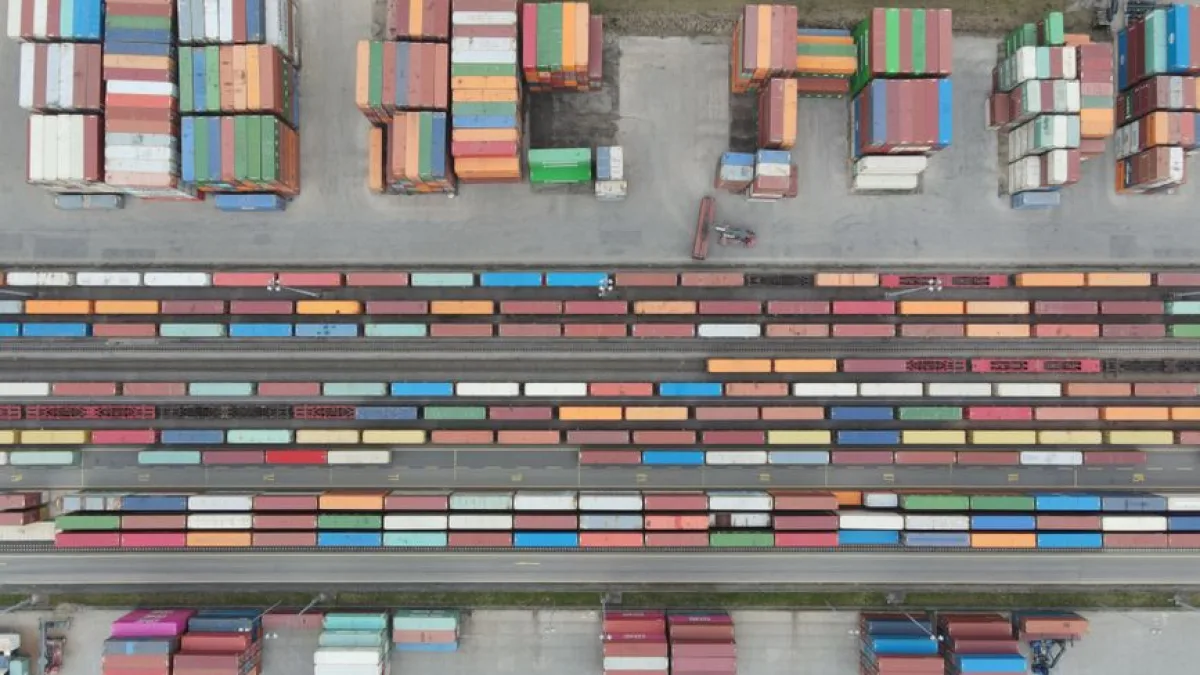
Seamless communication between diverse platforms is the backbone of modern freight operations. APIs allow your software to talk directly to carriers, customs brokers, and warehouses, ensuring that status updates flow instantly without any manual input or repetitive data entry errors.
- Real-time tracking visibility: Automated status updates provide your team and customers with live information on shipment progress, reducing manual inquiries and enhancing the overall customer experience through proactive status reporting.
- Carrier portal integration: Direct connections to major ocean and air carriers enable instantaneous booking, rate retrieval, and document exchange, effectively eliminating the need to log into multiple disparate external portals.
- Customs automation flows: Integrating your platform with customs systems ensures that filing requirements are met quickly, minimizing the risk of administrative delays and ensuring full compliance with complex international regulations.
- Automated billing synchronization: Instant data transfer between your freight software and accounting tools ensures that invoicing remains accurate and updated, drastically reducing the time spent on manual reconciliation processes.
Adopting API technology transforms your business from a reactive organization into a proactive leader. When systems communicate autonomously, your team stops acting as data entry clerks and begins functioning as supply chain consultants. This transition not only boosts productivity by removing redundant administrative tasks but also significantly improves the accuracy of every transaction. Ultimately, investing in connectivity is the fastest way to increase your operational throughput capacity.
Automated Workflow Orchestration

Task management often becomes the primary bottleneck for scaling freight businesses. By automating internal workflows, companies can trigger specific actions based on shipment milestones, ensuring that no document or notification ever slips through the cracks during the busy shipping season.
- Document workflow triggers: Smart systems automatically generate bills of lading and arrival notices the moment status updates arrive, ensuring that your documentation is always ready precisely when the customer needs it.
- Email notification management: Automated customer updates keep your stakeholders informed throughout the transit lifecycle, significantly decreasing the volume of inbound emails and phone calls regarding routine cargo tracking requests.
- Exception alert systems: Proactive notifications flag potential delays or routing deviations early, allowing your operations team to intervene and solve problems before they escalate into major customer service issues.
- Task assignment automation: Intelligent software routes specific tasks to the correct team members based on cargo type or lane expertise, ensuring the most qualified staff handles every unique shipment requirement.
Workflow orchestration turns your operational strategy into a repeatable, high-quality process. By removing the guesswork from daily tasks, your staff can focus their energy on complex logistics problem solving and account management. This stability allows your agency to handle larger shipment volumes without needing a proportional increase in headcount, which directly protects your profit margins while maintaining the high service standards customers expect.
Cloud-Based Data Accessibility

The transition to cloud computing has fundamentally changed how logistics professionals interact with their data. Accessing critical shipment details from any location provides a level of agility that was previously impossible, especially for teams working across different time zones.
- Secure remote collaboration: Authorized team members can access up-to-date shipment information from anywhere, facilitating seamless teamwork and fast decision making regardless of their physical office location or working hours.
- Centralized document repository: Cloud storage ensures that all essential paperwork, from commercial invoices to manifests, remains secure and searchable in one place, effectively preventing lost files and delays.
- Real-time multi-user editing: Features that allow several team members to update or review shipment details simultaneously prevent version control conflicts and ensure everyone works with the latest accurate data.
- Instant mobile responsiveness: Mobile-friendly interfaces allow field staff and executives to monitor performance or approve documents while on the move, ensuring that business operations never stall during critical time windows.
Moving your data to the cloud is essential for building a resilient, future-proof business. It eliminates the risks associated with hardware failure and local server maintenance while providing a foundation for scalable growth. When your information is centralized and secure, your team gains the flexibility required to adapt to changing market conditions. This digital foundation supports long-term success in an increasingly remote and globalized work environment.
Advanced Analytics and Reporting

Turning raw shipping data into actionable insights is the ultimate competitive advantage for modern forwarders. Analytics tools help identify trends, measure performance against key metrics, and provide the evidence needed to make strategic adjustments to your service offerings and pricing.
- Performance metric tracking: Detailed dashboards provide clear visibility into operational bottlenecks, showing exactly where processes slow down so you can take corrective action to optimize your overall shipment lifecycles.
- Customized client reporting: Generate professional, branded reports for your customers with a few clicks, showcasing the value you provide through data-driven transparency and professional communication standards for their logistics.
- Predictive lane analysis: Utilize historical data to forecast capacity needs and pricing trends, helping you prepare for seasonal shifts and make more informed procurement decisions for your most popular routes.
- Profitability per shipment: Granular insight into costs versus revenue for every individual move ensures that you maintain healthy margins and identify which lanes are truly driving your company growth.
Data analytics transforms your intuition into confirmed strategy. By understanding the core drivers of your business performance, you can confidently prune unprofitable lanes and double down on your most efficient services. These insights empower you to provide better advisory services to your clients, positioning your agency as an indispensable partner in their supply chain. Success in freight forwarding now depends on mastering these insights.
Conclusion
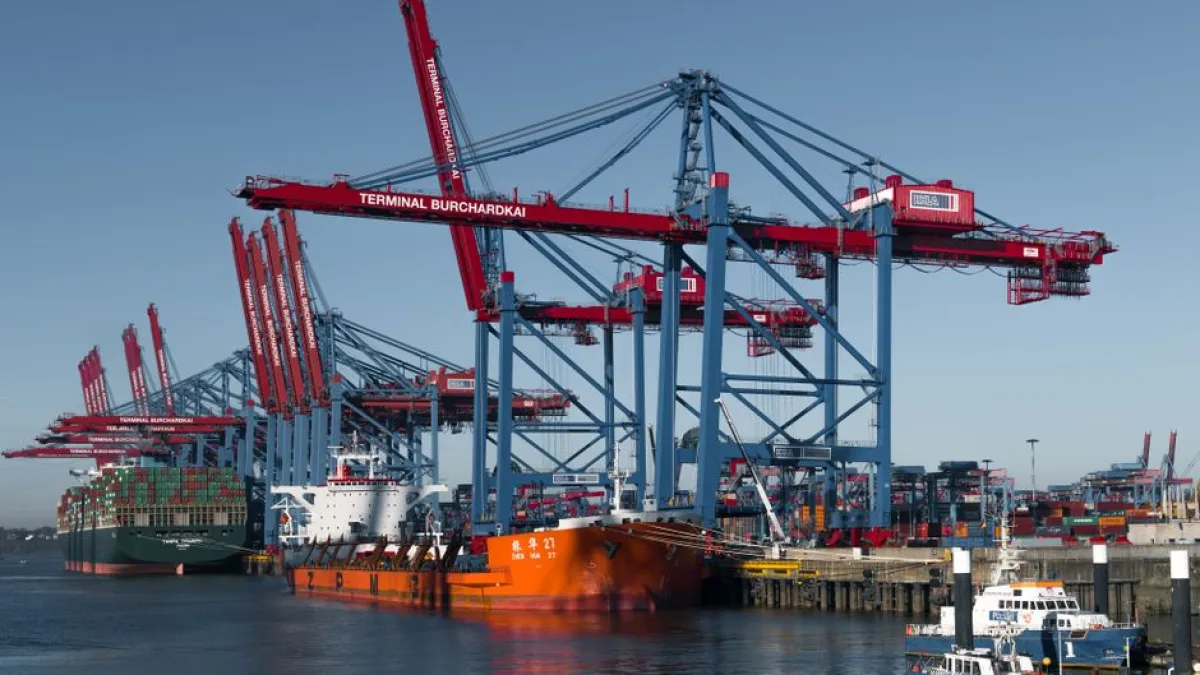
Embracing technology and integration is no longer optional for freight forwarders aiming to survive and thrive. By leveraging API connectivity, workflow automation, cloud accessibility, and advanced analytics, you can build a robust, scalable operation that delights customers and protects your margins. Now is the time to audit your current digital stack and start your transition toward a more efficient, future-ready logistics business model today.