Digital Transformation in Freight Forwarding: Leveraging Technology for Growth
Tuesday, August 11 2026
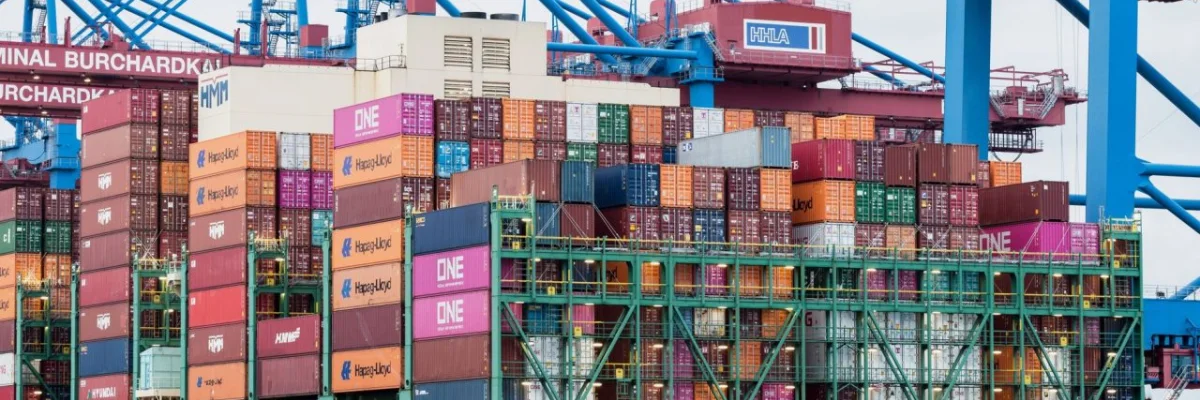
The global logistics landscape is undergoing a massive shift as digital tools replace traditional manual processes. Freight forwarders are increasingly looking toward integrated software platforms to manage complex supply chains, reduce operational risks, and improve service delivery for global clients. By automating repetitive tasks, professionals can dedicate more time to high-value strategic decision-making. Modern cloud systems allow for seamless data exchange between partners, shippers, and carriers, ensuring transparency at every milestone. As competitive pressure mounts, adopting advanced technology is no longer an optional luxury for logistics firms but a vital necessity for long-term scalability and operational success.
Optimizing Workflow Automation

Automated workflows significantly reduce the time spent on manual data entry and document verification processes. By integrating digital systems, forwarders can ensure that every step of the shipping journey is accounted for, minimizing potential errors and speeding up cargo clearance tasks.
- Eliminate Data Silos: Centralizing communication across all departments ensures that every team member accesses the same real-time information, preventing confusion and duplicated efforts during complex global shipping operations and planning.
- Automated Document Generation: Intelligent software modules allow for the instant creation of bills of lading and invoices, saving hours of administrative work and reducing the risk of human-generated clerical errors.
- Streamlined Approval Flows: Digital routing systems automatically trigger notifications for managers when specific tasks require authorization, keeping projects moving forward without unnecessary delays or physical document movement between separate offices.
- Custom Notification Alerts: Automated systems send proactive updates to clients and stakeholders based on shipment milestones, which builds trust and improves the overall service experience for every customer involved.
Implementing automation creates a foundation for efficient business expansion. When your team spends less time hunting for files or retyping tracking numbers, they can focus on fostering client relationships and exploring new trade lanes. Digital workflows provide the structure needed to manage high volumes of cargo without increasing headcount, directly impacting your bottom line while maintaining a high level of operational precision and professional accountability.
Improving Supply Chain Visibility
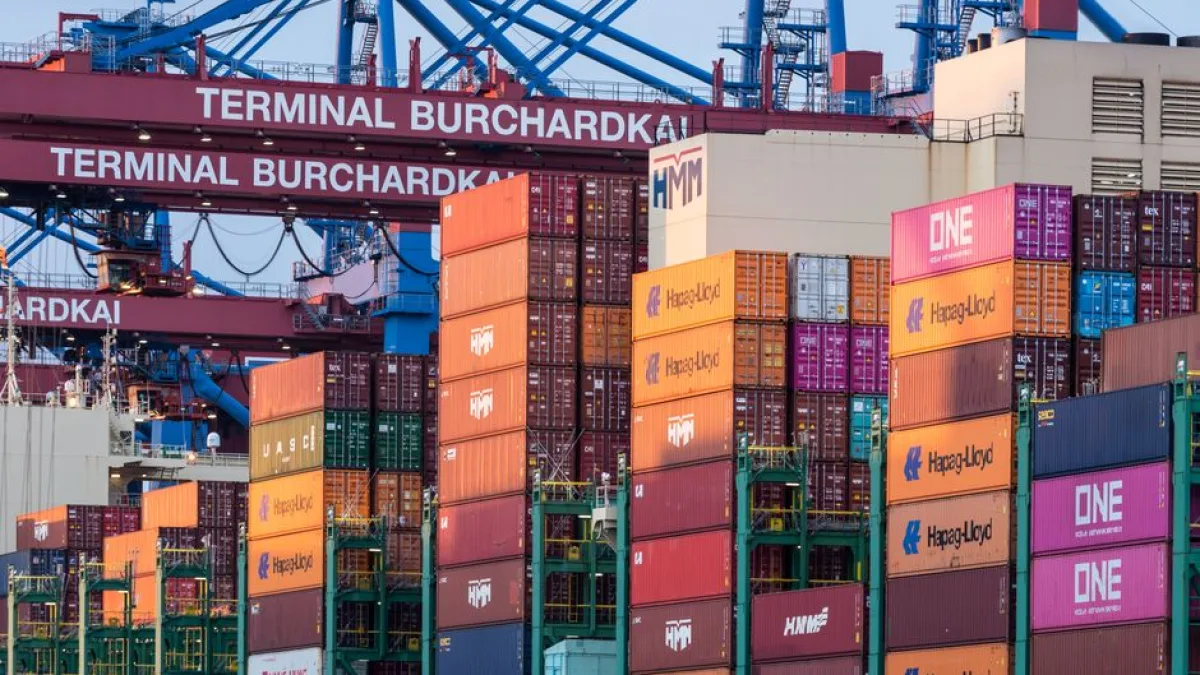
Real-time visibility tools provide actionable insights into the location and status of shipments across the globe. By connecting directly with carrier APIs, logistics providers can offer their clients precise arrival projections and immediate updates on any unexpected cargo delays.
- API Integration Power: Connecting directly to global carrier networks provides live status updates, allowing your team to monitor cargo status from origin to destination through a unified dashboard interface.
- Predictive Delay Analytics: Advanced algorithms analyze weather and port traffic patterns to predict potential delays, enabling proactive communication before a minor issue develops into a major logistics challenge.
- Client Portal Access: Providing customers with a branded web portal allows them to track their own goods autonomously, reducing the influx of status update requests to your customer service team.
- Geo-fencing Technology Usage: Modern systems use geographic markers to alert staff when containers enter specific terminals, ensuring that drayage operations are scheduled exactly when the assets become available for pickup.
Total visibility is the new standard for the modern freight industry. By offering clients a clear view into their supply chain, you eliminate the uncertainty that often plagues international shipping. This transparency does more than improve operations; it transforms your relationship with shippers from a mere service provider into a trusted strategic partner who can be relied upon during times of volatility.
Enhancing Financial Management

Managing global currencies and complex billing structures requires robust financial integration. Cloud software automates the reconciliation of invoices and monitors profitability on a shipment-by-shipment basis, ensuring that every financial transaction is accurate and reflected in your company reporting.
- Automated Currency Conversion: Integrated tools handle multi-currency accounting automatically, which prevents losses due to fluctuating exchange rates and ensures accurate billing based on the most current international financial data sets.
- Real-time Margin Tracking: Advanced reporting features calculate profit margins for individual shipments instantly, giving management the visibility needed to adjust pricing strategies based on current market rates and costs.
- Seamless Accounting Sync: Exporting shipment financials directly to your primary accounting software removes the need for double entry, reducing the time spent on month-end closing and tax preparation tasks.
- Proactive Credit Monitoring: Built-in systems flag unpaid invoices or credit limit issues immediately, allowing your finance team to manage cash flow effectively and maintain healthy relationships with all global partners.
Precision in financial management is critical for the sustainability of a freight forwarding firm. By automating the link between operational activities and accounting records, you reduce overhead and minimize revenue leakage. These systems provide the clarity needed to make data-driven decisions that increase profitability, ensuring that every shipment contributes positively to your firm's financial health while maintaining total compliance with international regulations.
Securing Data and Compliance

As logistics becomes increasingly digital, cybersecurity and regulatory compliance remain top priorities for all freight forwarders. Protecting client information while meeting international trade standards requires secure cloud-based infrastructure that prioritizes encryption and regular security updates to prevent unauthorized access and breaches.
- Robust Encryption Standards: Utilizing industry-standard encryption for all data storage and transfers protects sensitive shipper information from cyber threats, ensuring compliance with global data privacy regulations and security policies.
- Automated Regulatory Compliance: Built-in checklists ensure that every shipment follows the latest customs and international trade requirements, reducing the risk of penalties, fines, or cargo seizures during international transit.
- System Backup Protocols: Regular automated backups of all logistics data ensure that information is never lost due to hardware failures, providing a quick recovery path during unexpected emergency situations.
- User Access Management: Granular permission settings allow you to control which employees see specific shipment data, ensuring that sensitive financial and contact details remain restricted to the relevant personnel only.
Security and compliance are the bedrock of a reputable logistics business. By moving to a secure cloud platform, you demonstrate a commitment to protecting your clients' assets and data. Proactive compliance monitoring minimizes operational risk, while advanced cybersecurity measures keep your company safe from digital threats. This secure environment creates a stable platform for your long-term growth and builds lasting client trust.
Conclusion

Modern technology is essential for any freight forwarder seeking to thrive in a globalized economy. By automating workflows, enhancing shipment visibility, and tightening financial controls, your firm can achieve unprecedented levels of efficiency. Adopting these advanced tools prepares your business for future challenges and positions you as a leader in the logistics industry. Embrace the digital shift today to drive sustained long-term success.