Digital Transformation in Freight Forwarding: Leveraging Modern Tech
Tuesday, August 11 2026

The global logistics landscape is undergoing a massive shift as freight forwarders move away from manual processing toward sophisticated digital ecosystems. Modern freight forwarding businesses face increasing pressure to provide real-time visibility, automated documentation, and seamless carrier communication. By adopting a cloud-based software platform, forwarders can eliminate operational silos that often hinder growth and customer satisfaction. This transition is no longer a luxury but a fundamental necessity for staying competitive in a volatile market. As technology continues to evolve, the focus remains on optimizing workflows to drive efficiency, reduce human error, and deliver superior service across every link of the supply chain.
Centralized Data Management
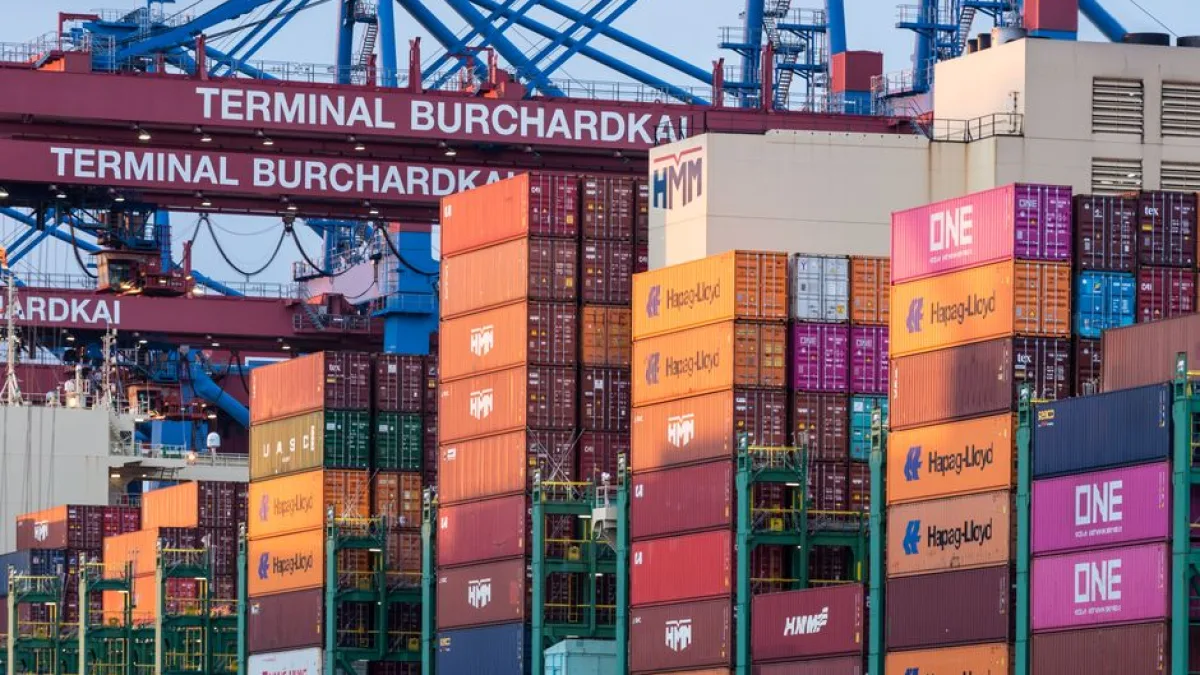
Centralized data management serves as the backbone for modern freight forwarding operations by consolidating disparate inputs into a single, accessible source. This approach prevents data fragmentation and ensures that every stakeholder remains informed through accurate, synchronized information updates throughout the day.
- Unified Data Access: By consolidating client and carrier information into one platform, your team avoids the inefficiency of switching between multiple legacy systems to retrieve critical shipping documentation and status.
- Automated Workflow Sync: Integrated systems trigger automatic updates across your entire organization, ensuring that accounting, sales, and operations departments work from the same live set of data.
- Enhanced Security Protocols: Modern cloud platforms employ robust encryption standards that protect sensitive logistics data from unauthorized access while maintaining full compliance with international data privacy regulations.
- Scalable Storage Solutions: Cloud-based architecture allows your business to expand data capacity seamlessly as transaction volumes grow, preventing the costly downtime often associated with local server upgrades.
Implementing a centralized system allows teams to move faster while minimizing the risk of miscommunication between departments. By removing manual data entry tasks, forwarders can dedicate more time to high-value client relations and strategic decision making. As your business grows, this unified approach ensures that every team member has the context needed to resolve issues instantly and maintain consistent service quality at scale.
Automated Documentation Workflows

Automated documentation workflows replace tedious manual typing and paper filing with intelligent, digital processes. By leveraging pre-populated templates and smart forms, forwarders drastically reduce the likelihood of errors that often lead to customs delays or heavy financial penalties during transit.
- Smart Template Integration: Create professional bills of lading and commercial invoices instantly by pulling data directly from existing shipment files, which eliminates repetitive entry and reduces costly typos.
- Digital Approval Chains: Streamline the document validation process by routing files to stakeholders for digital signatures, ensuring rapid turnaround times and reducing reliance on email chains.
- Automated Customs Compliance: Built-in validation rules check your documentation against international regulatory requirements, preventing errors that frequently result in cargo holds or missed departure deadlines at ports.
- Cloud Document Repository: Maintain an organized, searchable archive of all historical shipping documents that remains accessible from any location, facilitating audits and providing instant client history.
Precision in documentation remains a hallmark of a professional forwarding operation. When manual processes are automated, your staff can shift their focus toward solving complex logistics challenges rather than handling administrative paperwork. This operational efficiency not only speeds up the entire billing cycle but also enhances your reputation as a reliable and precise partner for global shippers needing fast execution.
Real-Time Cargo Visibility
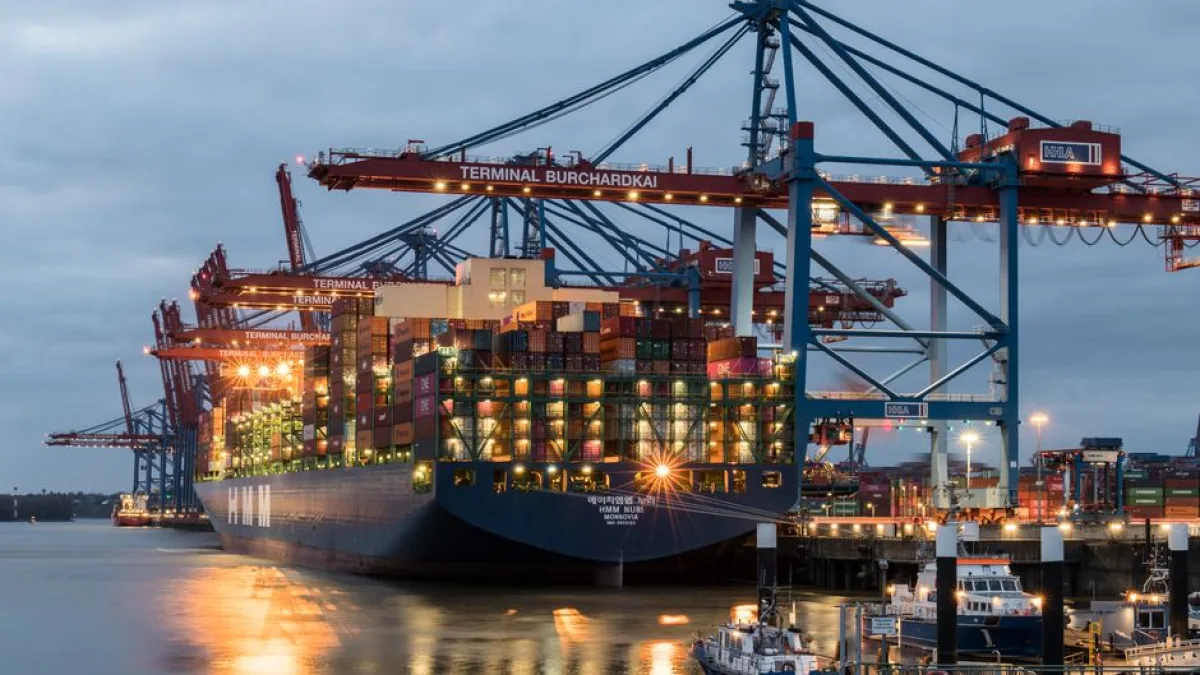
Providing clients with real-time cargo visibility has become the standard expectation in today's fast-paced logistics environment. Leveraging live tracking integrations gives forwarders the ability to proactively manage exceptions and provide clients with peace of mind regarding their most critical shipments.
- Live Status Updates: Connect your software directly with carrier APIs to provide clients with automatic, real-time tracking information, reducing the need for constant phone inquiries and status emails.
- Proactive Exception Alerts: Configure your platform to trigger instant notifications when a shipment faces a delay or port congestion, allowing your team to inform clients before issues escalate.
- Enhanced Client Portals: Give your customers secure, 24/7 access to their unique tracking dashboards, which increases satisfaction and builds long-term loyalty through complete operational transparency and clarity.
- Performance Metric Analytics: Gather historical transit data to identify recurring delays or carrier inefficiencies, empowering you to make data-driven decisions that improve your overall supply chain reliability.
Visibility serves as a powerful competitive advantage in a crowded market. When clients can track their cargo without waiting for an agent to reply, their trust in your brand grows significantly. This transparency allows your team to focus on resolving genuine exceptions rather than answering repetitive status requests. Embracing this level of openness sets your firm apart as a modern, reliable, and tech-forward logistics partner.
Strategic Integration Ecosystems
Strategic integration ecosystems allow your freight forwarding software to communicate seamlessly with third-party tools such as accounting software, CRM systems, and e-commerce platforms. This interconnected network ensures that your business operates as a cohesive unit rather than as several separate, disconnected segments.
- Seamless Financial Sync: Automatically push invoices and expense reports directly into your accounting software, which accelerates cash flow cycles and improves the overall accuracy of your financial reporting.
- CRM Data Integration: Keep your sales team aligned with operational teams by syncing client contact information and historical shipping activity, which allows for highly personalized and informed communications.
- API Driven Expansion: Take advantage of open API capabilities to integrate bespoke tools or new service partners, ensuring your platform remains adaptable to future industry and technological changes.
- Unified Communication Channels: Integrate your messaging tools and email clients to track all stakeholder conversations within the shipment file, ensuring no critical instructions are lost or ignored.
A well-integrated tech stack transforms your business into an agile entity capable of adapting to new logistics demands. By connecting your core software with external tools, you remove data barriers and foster a culture of cross-departmental collaboration. Investing in these connections provides long-term value, ensuring that your firm remains efficient, scalable, and fully prepared for the challenges of modern global freight forwarding services.
Conclusion

Adopting advanced technology is the defining factor for forwarders aiming to survive and thrive in a complex global market. By prioritizing data centralization, automation, and real-time visibility, you position your firm for sustainable growth. Evaluate your current software needs and start integrating these digital solutions today. Stay ahead of industry trends and provide unmatched value to your clients by modernizing your freight forwarding workflow.