Digital Transformation in Freight Forwarding: Leveraging Modern Tech Integrations
Sunday, August 16 2026

The global logistics landscape is undergoing a massive shift as freight forwarders move away from legacy manual systems toward fully integrated digital ecosystems. As supply chains become increasingly volatile, the ability to exchange data seamlessly between stakeholders has transitioned from a competitive advantage to an operational necessity. Forwarders who embrace cloud-based platforms gain the agility required to navigate complex customs regulations, carrier capacity fluctuations, and real-time customer demands. By prioritizing technological integration, logistics providers can automate repetitive tasks, reduce human error, and unlock new levels of transparency that foster long-term client loyalty in an overcrowded and highly demanding marketplace.
Optimizing Workflow Automation

Automating repetitive administrative tasks allows logistics teams to refocus their energy on high-value client relationships rather than manual data entry. By leveraging advanced API connectivity, forwarders can ensure that shipping data flows instantly across all active platforms without any interruptions.
- Automatic Data Entry: Cloud-based systems extract shipment information from documents directly into your platform to eliminate time-consuming manual typing errors and improve overall record accuracy for every single shipment.
- Workflow Customization Tools: Configure automated status updates and milestone triggers that keep your team and clients informed throughout every stage of the transit process without constant manual intervention.
- Instant Document Generation: Create commercial invoices and packing lists automatically using existing shipment data to save hours of administrative work every week while maintaining professional and compliant documentation.
- Task Assignment Logic: Utilize intelligent routing features to assign specific customs or booking tasks to relevant staff members based on their current workload and individual areas of expertise.
- Error Reduction Protocols: Implement automated validation checks that flag missing fields or conflicting information before a shipment is finalized to prevent costly penalties during the international transit process.
By automating these core components of the freight forwarding lifecycle, firms can significantly increase their throughput without needing to hire additional staff. This strategic shift allows your organization to handle higher volumes while maintaining a high standard of accuracy. When your software handles the repetitive heavy lifting, your team remains free to focus on strategic growth and solving complex logistics challenges for your partners.
Enhancing Real-time Visibility

True visibility requires a unified view of shipments across ocean, air, and land modes through a single interface. Modern integrations provide the transparency needed to address potential delays proactively before they impact your client's inventory schedules or supply chain performance.
- Real-time Carrier Updates: Integrate directly with major ocean and air carrier APIs to receive automatic status changes that keep your clients updated without needing manual carrier website lookups.
- Client Tracking Portals: Provide your customers with a secure, branded portal where they can monitor their cargo progress independently, reducing the volume of inbound status request emails.
- Customized Alert Settings: Establish personalized notification triggers for specific events such as vessel arrivals or customs holds to ensure stakeholders receive critical information precisely when they need it.
- Multi-modal Integration: Sync data across multiple transport modes to ensure that the handoff between trucking and ocean shipping remains seamless and visible throughout the entire transit route.
- Dynamic Mapping Tools: Utilize integrated geospatial data to visualize shipment paths, allowing your team to identify potential congestion zones and recommend alternative routes to your valued customers.
Superior visibility transforms your service from a basic commodity into a premium strategic partnership that clients rely on for their daily operations. By removing the information silos that often plague traditional freight forwarding, you enable a culture of accountability and precision. This level of clarity fosters trust, ensuring that your customers feel confident in your ability to manage their logistics requirements effectively.
Seamless Carrier Connectivity
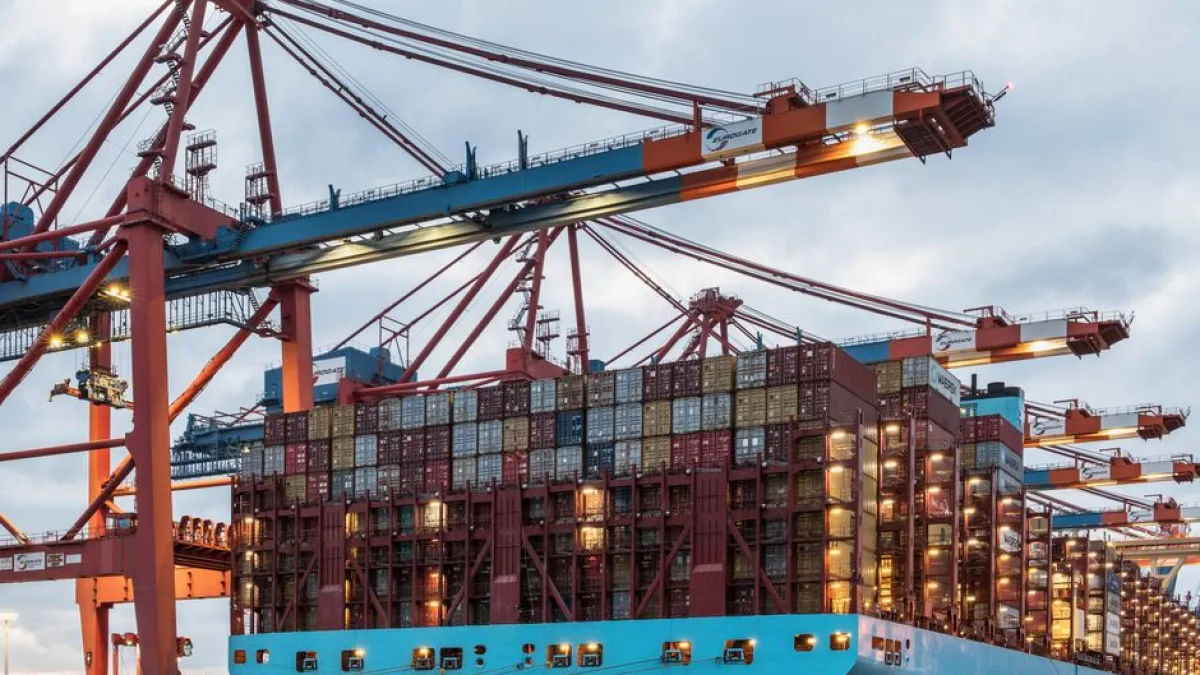
Connecting your freight software to carrier databases bridges the gap between booking agents and vessel operators. These integrations simplify the booking process, allowing for instant capacity confirmation and rate comparisons that benefit your bottom line and your client's budget.
- Instant Booking Requests: Send booking inquiries directly from your platform to carrier systems to receive near-instant confirmations and space allocations that help you secure capacity during peak seasons.
- Dynamic Rate Management: Import carrier rate sheets into your system to compare pricing in real-time, ensuring you always offer the most competitive freight options to your shipping clients.
- Schedule Accuracy Checks: Access live sailing schedules directly from your dashboard to provide your customers with reliable departure and arrival estimates that account for current port congestion.
- Container Capacity Monitoring: Track available space on specific vessels through direct API links to optimize your load planning and ensure that cargo departures are never unnecessarily delayed.
- Direct Documentation Exchange: Submit shipping instructions and bills of lading electronically through your software to speed up the documentation cycle and avoid late-filing fees at the destination.
Strengthening your technical ties to carriers simplifies the most difficult parts of international logistics by eliminating slow communication channels. When your software talks directly to carrier platforms, the entire booking process becomes a transparent and efficient operation. This connectivity not only reduces the time spent on administrative back-and-forth but also provides your team with the leverage needed to negotiate better service terms.
Scaling Through Cloud Infrastructure

Cloud infrastructure provides the foundation for sustainable growth by allowing your operations to expand without the burden of maintaining expensive on-premise hardware systems. This scalability is essential for forwarders aiming to handle global market shifts and regional demand surges.
- Remote Access Capability: Allow your staff to manage shipments from anywhere in the world using a secure web-based login that ensures constant operational continuity across multiple time zones.
- Automatic Software Updates: Benefit from continuous platform enhancements and security patches pushed automatically by the provider, ensuring your firm always utilizes the latest industry-standard tools and features.
- Centralized Data Storage: Consolidate all shipment files, communications, and financial records in one secure cloud environment to simplify auditing, data retrieval, and inter-departmental collaboration for your team.
- Data Security Standards: Rely on enterprise-grade encryption and regular automated backups that protect your business against data loss and unauthorized access while complying with international security protocols.
- Flexible User Scalability: Easily adjust your user licenses and permissions as your team grows, ensuring your software costs align perfectly with your current operational needs and company structure.
Adopting cloud-based solutions represents the ultimate move toward operational maturity for any modern freight forwarder. By shifting your infrastructure to the cloud, you reduce maintenance headaches and ensure your team has the tools to succeed regardless of their physical location. This flexibility is the hallmark of a resilient business, enabling you to adapt to future market changes with speed and total confidence.
Conclusion

Integrating modern technology into your freight forwarding operations is no longer optional for firms that intend to survive in the digital age. By focusing on automation, visibility, carrier connectivity, and cloud scalability, you create a robust foundation for future expansion. Start assessing your current software gaps today to ensure your logistics services remain competitive, efficient, and ready to meet the evolving demands of global trade.