Digital Transformation in Freight Forwarding: Leveraging Technology for Growth
Tuesday, August 25 2026
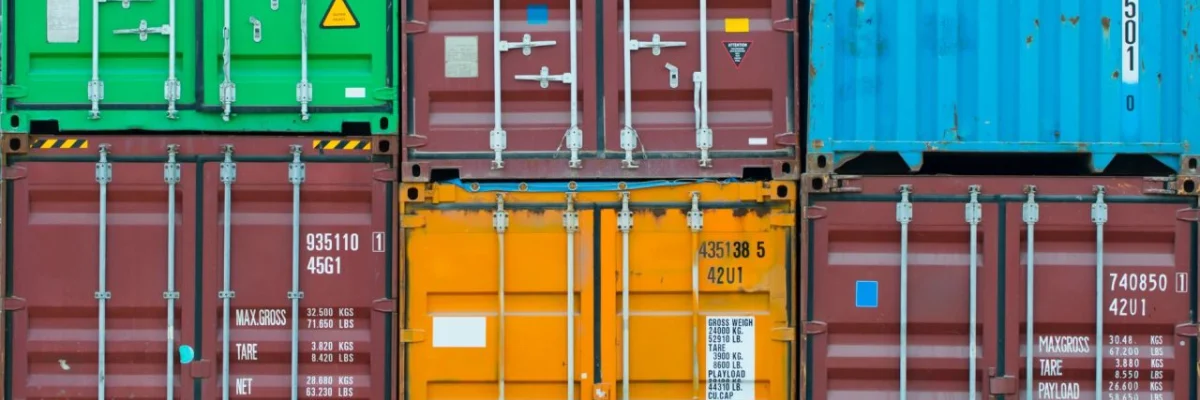
The global logistics landscape is undergoing a massive shift as freight forwarders move away from manual spreadsheets toward integrated, cloud-based systems. This digital revolution is no longer an optional upgrade but a fundamental requirement for staying competitive in a volatile market. By embracing modern technology, forwarders can automate tedious tasks, eliminate data silos, and provide real-time visibility to their clients. As trade complexity increases, the ability to leverage intelligent software solutions determines who thrives and who struggles to keep pace with demand. Adopting these advanced tools empowers teams to focus on strategy and growth instead of paperwork.
Automated Operations Efficiency
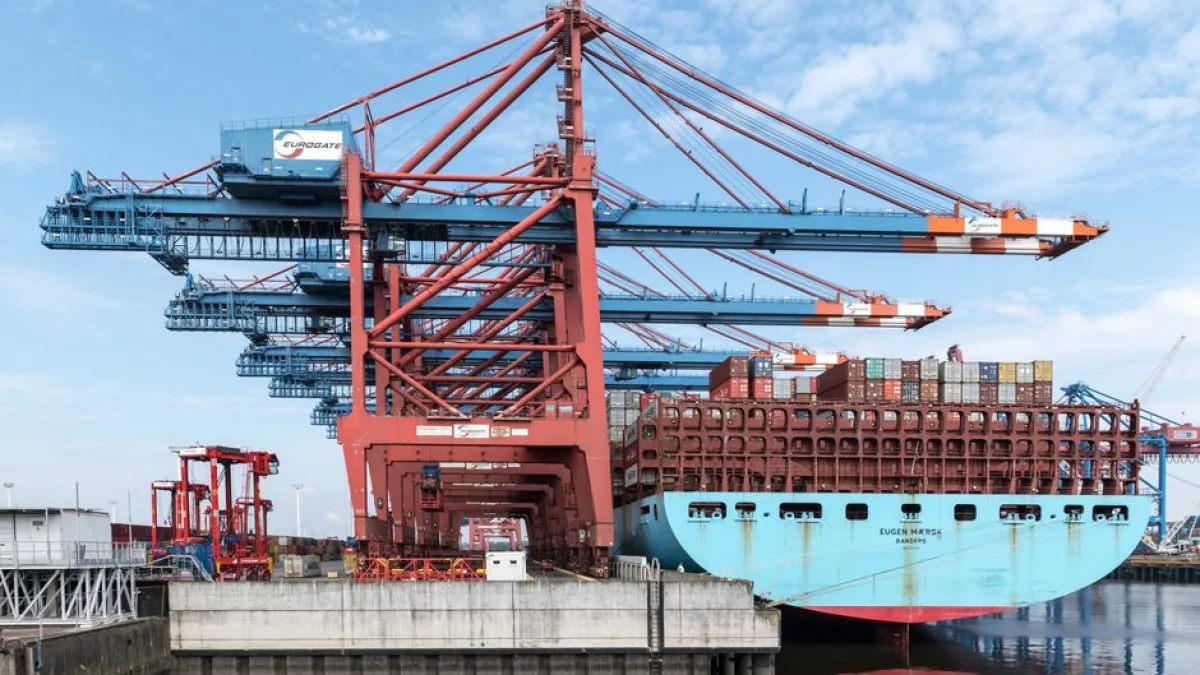
Automation serves as the backbone of modern freight forwarding, significantly reducing the time spent on repetitive manual entry tasks. By centralizing data, teams can process bookings faster and reduce human error, allowing staff to focus on higher value customer service initiatives.
- Eliminate manual entry: Implementing automated data capture tools removes the need for typing information twice, which significantly reduces costly errors and speeds up the entire shipment documentation process for your team.
- Streamline booking workflows: Digital platforms allow your staff to manage multi-modal bookings within a single interface, ensuring that information flows seamlessly across departments without needing constant manual updates or email threads.
- Improve document accuracy: Automated validation systems cross-check paperwork against carrier requirements, ensuring that invoices and manifests remain accurate while preventing customs delays or penalties during the shipping transit process.
- Accelerate invoice processing: Intelligent software recognizes key financial data from incoming documents and updates your ledgers automatically, drastically reducing the time spent on accounts payable and receivable tasks every month.
By shifting focus from manual data entry to automated workflows, forwarders unlock a new level of operational agility that was previously impossible. This transition allows smaller teams to handle larger volumes of cargo without sacrificing the quality of service provided to shippers. Ultimately, automated operations provide a scalable foundation that supports business expansion while simultaneously reducing the overhead costs associated with legacy administrative tasks.
Real-time Shipment Visibility

Transparency has become the primary demand for modern shippers who require instant status updates. Leveraging cloud software, forwarders can integrate live tracking data directly into their platforms, offering customers precise, location-based intelligence throughout the entire journey of their cargo.
- Live tracking updates: Providing clients with instant access to container status through a customer portal builds trust, reduces the volume of status inquiries, and improves overall brand loyalty effectively.
- Proactive disruption management: Real-time alerts allow your logistics team to identify potential port congestion or transit delays early, enabling them to suggest alternative routes before significant problems arise.
- Enhanced client communication: Dashboards consolidate shipment milestones into a clear visual format, ensuring that your customers remain informed about their cargo progress without needing constant manual email updates.
- Data driven reporting: Accessing granular visibility data helps you analyze carrier performance, allowing your company to make more informed decisions when selecting partners for future shipping requirements.
The ability to provide accurate, real-time data transforms the client relationship from a transactional interaction into a strategic partnership. When shippers can see exactly where their cargo is located, they gain the confidence needed to manage their own inventory more effectively. This level of service differentiates your business in a crowded market and builds long-term loyalty that survives price-based competition cycles.
Seamless Systems Integration
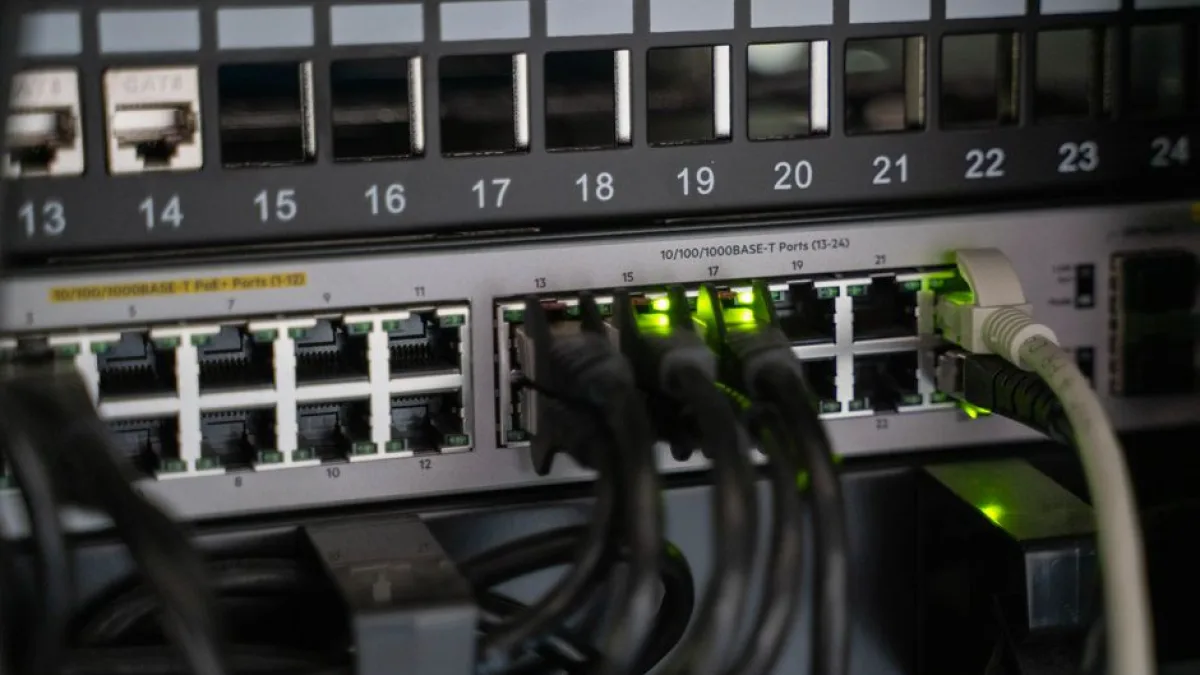
Connecting fragmented systems is essential for a unified view of your entire business. Integration between accounting, CRM, and logistics software eliminates bottlenecks and ensures that information remains consistent across all departments, creating a reliable source of truth for decision makers.
- Unified data ecosystem: Connecting your freight platform with existing accounting tools ensures that revenue data flows automatically, preventing discrepancies that often arise when manually syncing financial information between systems.
- CRM data synergy: Integrating customer contact history with shipment records provides your sales team with a complete profile, enabling more personalized service and better identification of upsell opportunities.
- Vendor portal connectivity: Sharing specific platform access with carriers and agents improves communication, reducing the friction typically associated with coordinating logistics handoffs in complex international supply chain networks.
- API based flexibility: Utilizing open API architectures allows your business to add or remove specialized third-party tools as your needs evolve, maintaining a highly agile and modern tech stack.
Integration bridges the gaps between disconnected departments, fostering a culture of collaboration and speed. When the right information reaches the right people at the right time, internal processes become significantly more fluid. By investing in a well-connected ecosystem, forwarders create a flexible business model capable of adapting to new industry demands, emerging technology trends, and unexpected shifts in global trade routes.
Data Driven Strategic Planning

Beyond daily operations, technology empowers forwarders to utilize historical data for long-term planning. By analyzing past performance and market trends, leadership can optimize routes, negotiate better carrier rates, and predict seasonal capacity needs with much higher levels of overall accuracy.
- Predictive performance analysis: Identifying patterns in historical shipping routes helps your team forecast potential bottlenecks, allowing for smarter capacity procurement and route planning during peak holiday shipping seasons.
- Carrier performance metrics: Detailed reporting on transit times and service quality enables you to identify the most reliable partners, ensuring that your clients receive the best possible service levels.
- Dynamic pricing strategies: Analyzing market rate trends through integrated software allows your sales team to provide competitive, data-backed quotes that maintain healthy profit margins while winning new business.
- Resource allocation optimization: Understanding volume fluctuations allows management to staff appropriately, ensuring that your operational capacity matches current demand without overspending on labor during quieter industry cycles.
Data is the most valuable asset a modern freight forwarder can possess, provided it is analyzed correctly. Moving from reactive problem solving to proactive strategic planning allows your business to stay ahead of market trends rather than trailing behind them. By leveraging internal data, you transform your company into a highly intelligent organization capable of sustained success even in volatile global markets.
Conclusion

Embracing these technological advancements is vital for freight forwarders aiming to thrive in the modern era. By automating routine tasks, ensuring real-time visibility, and leveraging data for strategy, you position your firm as an essential logistics partner. Start your digital transformation journey today to streamline your operations, improve client satisfaction, and secure your long-term position as a leader in the global forwarding industry.