Digital Transformation in Freight Forwarding: Leveraging Modern Tech Integrations
Sunday, August 30 2026
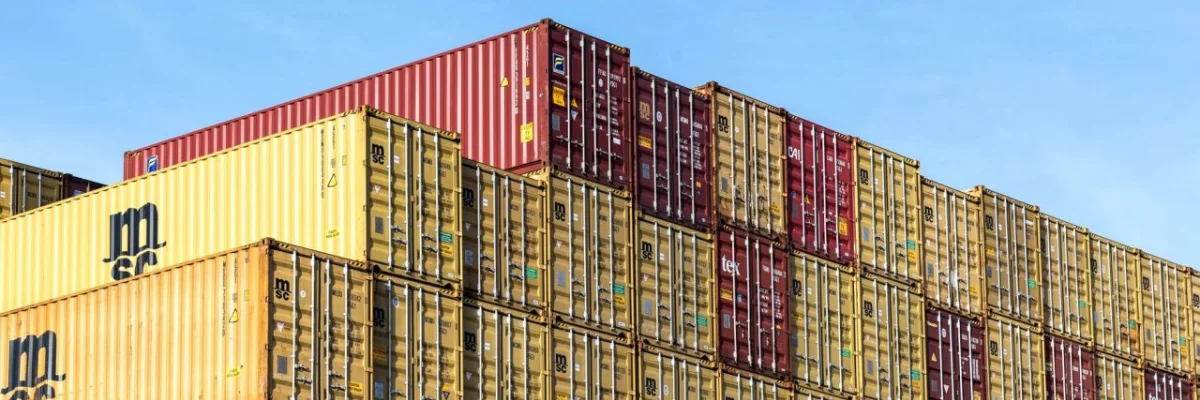
The global logistics landscape is undergoing a massive shift as freight forwarders move away from manual spreadsheets toward integrated digital ecosystems. As capacity constraints and complex supply chain visibility requirements grow, the need for robust software platforms has never been greater. Modern cloud-based solutions now serve as the central nervous system for freight businesses, connecting every stakeholder from carriers to customers through real-time data streams. By adopting advanced technology and seamless API integrations, freight forwarders can reduce administrative overhead, eliminate human error, and gain the competitive edge required to thrive in a volatile international market environment.
Automated Operations Efficiency
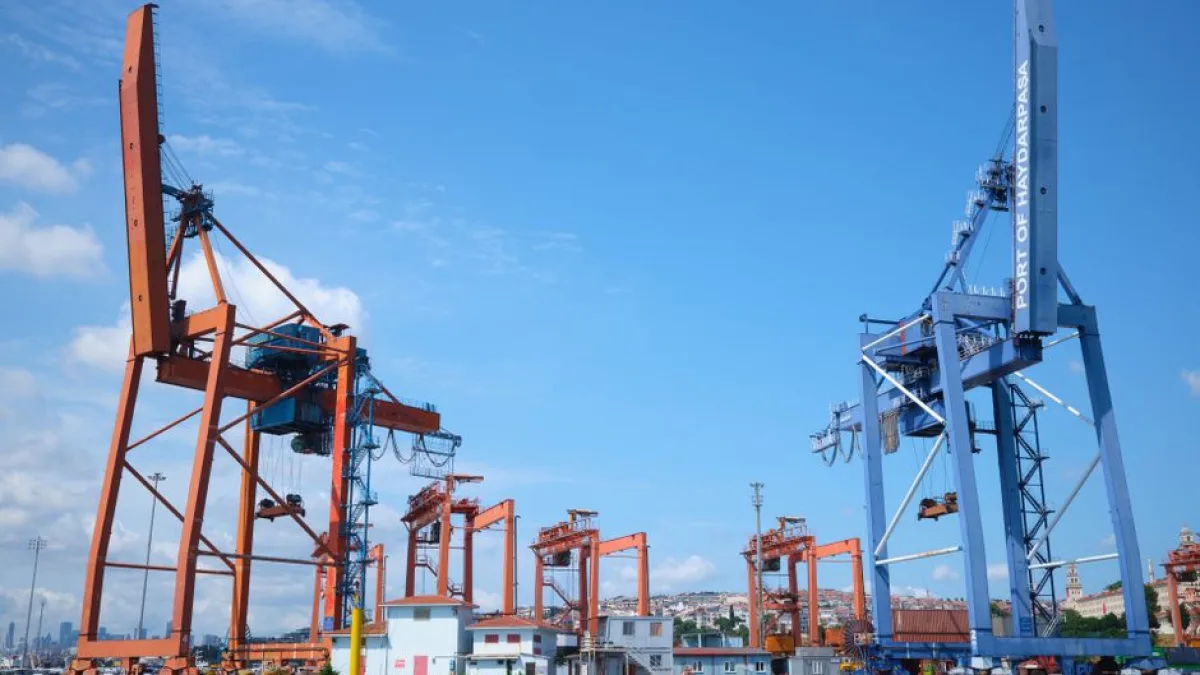
Automation is the cornerstone of modern logistics, allowing forwarders to handle higher shipment volumes with fewer manual interventions. By utilizing intelligent software, your team can streamline document generation, booking processes, and data entry tasks to focus on complex logistics strategy.
- Reduced manual entry: Implementing automated data capture tools removes the need for repetitive typing, significantly lowering the risk of human errors that often lead to expensive shipping delays and compliance issues.
- Streamlined document workflows: Digital platforms allow your team to generate bills of lading, commercial invoices, and packing lists instantly, ensuring that all regulatory paperwork remains accurate and compliant throughout the cycle.
- Faster booking cycles: Integrated quoting engines enable your staff to access real-time carrier rates immediately, allowing you to secure cargo space for your clients in seconds rather than waiting hours.
- Resource optimization strategies: Intelligent scheduling features help your logistics coordinators assign tasks based on capacity and expertise, ensuring that your most valuable human resources are utilized effectively on every shipment.
Transitioning to automated operations represents a fundamental change in how your freight forwarding business functions on a daily basis. By removing the burden of repetitive tasks, you empower your staff to deliver higher value services to your customers. This shift does not just save time, but also builds a scalable foundation that supports business growth even during the most demanding peak shipping seasons.
Seamless Carrier Connectivity
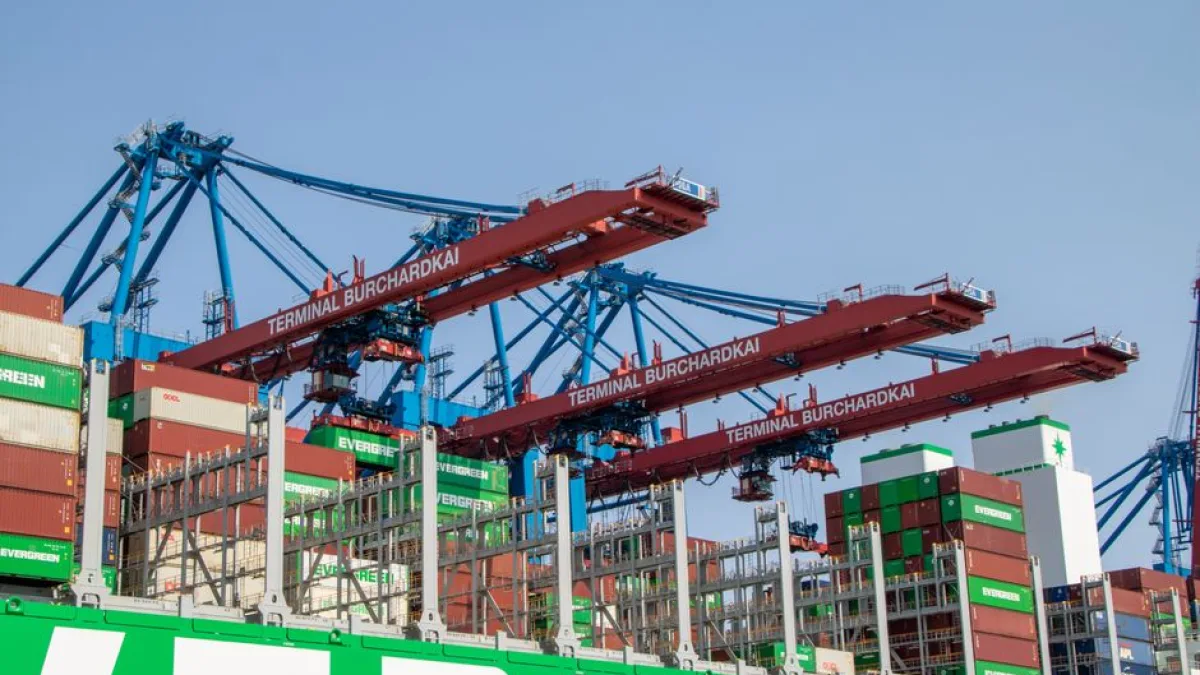
Connecting your platform directly to carriers through API integrations ensures that shipment status updates are always current. This level of transparency provides your customers with the real-time visibility they demand while reducing the frequency of status inquiry emails and phone calls.
- Real-time tracking visibility: Direct API connections push automatic shipment updates into your dashboard, providing your logistics team and clients with constant awareness of cargo status and location during transit.
- Enhanced carrier collaboration: Unified digital communication channels allow for quicker problem solving when shipping disruptions occur, fostering stronger and more transparent working relationships with your primary global carrier partners.
- Automated status notifications: Smart software triggers proactive email or portal updates for your clients as soon as milestones occur, significantly reducing the administrative workload associated with manual tracking requests.
- Standardized data exchange: Utilizing common integration protocols ensures that information flows smoothly between diverse systems, preventing data silos that often complicate complex international multimodal shipping operations today.
Reliable carrier connectivity serves as the bridge between your office and the physical movement of goods across the world. When your software talks directly to partner systems, your team gains a level of operational clarity that manual systems simply cannot match. This synchronization is critical for maintaining high service levels and keeping stakeholders informed at every single point in the long transportation chain.
Enhanced Financial Management
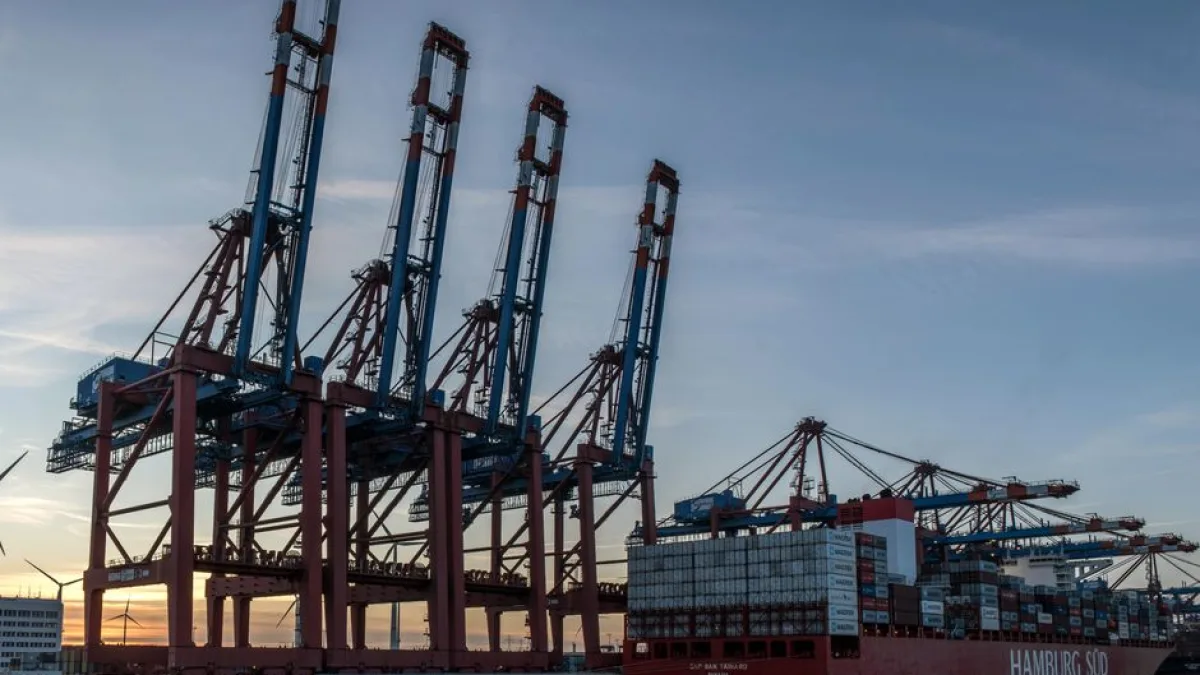
Financial health is paramount for freight forwarders, and modern software integrations make billing and accounting significantly more accurate. By linking your operations platform with financial systems, you ensure that every shipping cost is accounted for and reflected in your invoices.
- Accurate cost allocation: Integrated accounting modules automatically pull shipment costs from operation records, ensuring that every service, surcharge, and fee is correctly applied to the final customer invoice.
- Faster invoice cycles: By removing the delay between shipment completion and final billing, you improve your company cash flow and reduce the time spent chasing late customer payments.
- Real-time profit tracking: Advanced dashboards allow managers to see the exact margin on each shipment, providing the data needed to make informed decisions about pricing and vendor selection.
- Minimized billing errors: Automated validation rules catch discrepancies before invoices reach your clients, which drastically improves your customer satisfaction rates and helps maintain a professional reputation in the industry.
Integrating financial management into your core freight platform provides a comprehensive view of your profitability per trade lane and customer. This financial intelligence allows your leadership team to focus on high-margin business while optimizing cost structures. By eliminating the manual reconciliation of accounts, you reduce the likelihood of costly oversights and create a robust financial reporting framework for your business.
Scalable Cloud Infrastructure

Cloud-based platforms provide the flexibility required to grow your business without the limitations of legacy hardware. As your volume increases, these systems scale effortlessly, allowing you to add users, branches, or services to your platform with minimal configuration and no downtime.
- Flexible user access: Secure cloud portals allow your staff to work from anywhere in the world, ensuring that your operations remain resilient and active during remote or hybrid work.
- Rapid system deployment: Unlike traditional software that requires weeks of installation, cloud-based freight solutions can be deployed quickly, allowing your business to start seeing efficiency gains almost immediately.
- Automated system updates: Your platform receives regular feature enhancements and security patches automatically, keeping your business at the forefront of technology without requiring manual technical intervention or system reboots.
- Data security protocols: Enterprise-grade cloud hosting ensures that your sensitive shipping data is protected by high-level encryption and regular backups, keeping your business compliant with international data protection requirements.
Investing in scalable cloud infrastructure is a strategic move that positions your company for long-term success. It provides the agility to adapt to new shipping trends and market demands while ensuring that your operational backbone remains reliable. By choosing a cloud-first approach, you remove the barriers to innovation and provide your team with the modern tools necessary to compete in a digital world.
Conclusion

Adopting advanced technology and strategic integrations is essential for modern freight forwarders seeking efficiency and growth. By prioritizing automation, visibility, financial precision, and cloud scalability, you transform your operations from a manual process into a digital powerhouse. Start evaluating your current software stack today and look for opportunities to streamline workflows, as this commitment to digital maturity will define the future of your logistics success.