Digital Transformation in Freight Forwarding: Leveraging Modern Tech
Tuesday, September 1 2026
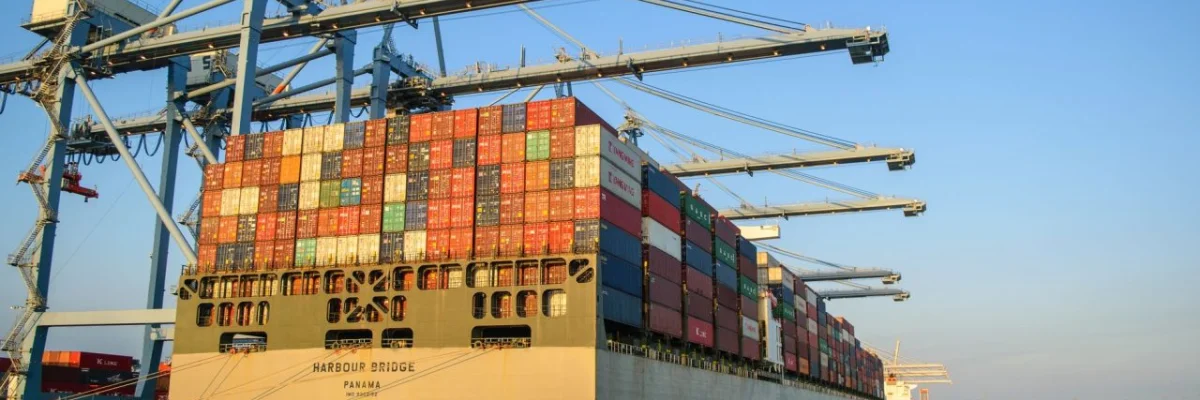
The global logistics landscape is undergoing a profound transformation driven by rapid technological adoption and the shift toward cloud-based infrastructures. For freight forwarding professionals, the ability to manage complex supply chains relies heavily on seamless data flow and real-time visibility across all transit modes. Legacy systems are increasingly becoming bottlenecks that hinder growth, forcing companies to seek integrated platforms that unify documentation, communication, and tracking. By embracing a digital-first strategy, forwarders can enhance operational efficiency, reduce manual errors, and provide a superior client experience that keeps them competitive in an industry where speed and accuracy are paramount to success.
Optimizing Workflow Automation

Automating repetitive administrative tasks allows your team to focus on high-value logistics challenges rather than manual data entry. By integrating intelligent software, you minimize human error and drastically shorten the time required to process complex shipping documents and compliance forms.
- Eliminate manual entry: Automated systems capture data directly from emails and PDFs, reducing the risk of human error while significantly speeding up the documentation process for your entire operations team.
- Streamline document management: Centralized digital repositories ensure that all invoices, bills of lading, and customs forms are easily accessible, searchable, and compliant with current international shipping industry standards.
- Automated status updates: Proactive notifications inform clients of milestone changes immediately, reducing the need for manual status inquiries and freeing up your customer service staff for other tasks.
- Intelligent validation rules: Built-in verification protocols ensure that every piece of shipment data is accurate and complete before processing, preventing costly delays at customs and transit inspection points.
Adopting automated workflows fundamentally changes how your business operates on a daily basis. By removing the burden of manual tasks, your employees can prioritize complex problem solving and relationship management. This shift not only increases productivity across the organization but also scales your capacity to handle higher shipment volumes without the need for proportional increases in staff or administrative overhead costs.
Real Time Shipment Visibility

Modern clients expect total transparency regarding the status of their cargo at every point in the global supply chain. Providing this level of clarity requires robust integration between your forwarding platform and carrier tracking systems for continuous updates.
- Live tracking integration: Direct connections to major air, ocean, and road carriers provide live location data, ensuring that your clients have accurate visibility throughout the entire shipping process.
- Predictive delay alerts: Advanced algorithms analyze route data and weather patterns to anticipate potential bottlenecks, allowing you to notify clients before delays actually impact their cargo delivery schedules.
- Interactive client portals: Secure web interfaces provide your customers with 24-7 access to their shipment status and supporting documentation, fostering trust and reducing constant update request emails.
- Exception management tools: Dedicated dashboards help your team identify and resolve shipping exceptions as they occur, ensuring that any hurdles are addressed before they become significant client issues.
Providing real time visibility is no longer just a luxury feature for large enterprises. It has become a standard requirement for maintaining long term partnerships with your clients. By offering clear insights into where their goods are, you build immense credibility and loyalty. This digital transparency transforms your service from a basic transport solution into a core strategic asset for your customers.
Data Driven Decision Making

Harnessing raw shipping data into actionable insights allows freight forwarders to identify cost saving opportunities and operational efficiencies. Analytical tools provide a clear view of performance metrics that would otherwise remain hidden within complex spreadsheets and disorganized legacy filing systems.
- Performance analytics dashboard: Visual reports track carrier reliability and transit times, empowering you to make informed decisions when selecting partners for specific lanes or high priority cargo shipments.
- Cost analysis tracking: Detailed breakdown of freight costs allows you to monitor margins on every shipment, ensuring that pricing strategies remain profitable while staying competitive in the market.
- Trend forecasting models: Historical data analysis helps predict seasonal demand fluctuations, allowing your team to allocate capacity more effectively and plan resources well ahead of the peak industry seasons.
- Custom reporting capabilities: Generate tailored performance summaries for your key accounts, demonstrating the value of your services through concrete data points and improved operational efficiency trends over time.
Strategic success in the logistics industry now depends on your ability to leverage information effectively. By moving away from gut feeling and toward data driven strategies, you position your firm to adapt quickly to market volatility. These insights ensure that every decision you make is backed by evidence, ultimately leading to improved profitability and a much stronger market position for your forwarding firm.
Cloud Integration Ecosystems

The power of a freight forwarding platform is amplified by its ability to connect with other essential business tools. A robust cloud ecosystem allows your team to sync financial systems, CRM tools, and shipping portals into one unified digital environment.
- Accounting software syncing: Seamless integration with platforms like QuickBooks or Xero ensures that your financial records remain accurate and up to date without any redundant manual bookkeeping efforts.
- CRM data synchronization: Connecting your freight platform with your CRM ensures that sales teams always have the latest shipment history available when discussing new business opportunities with clients.
- API enabled flexibility: Open integration standards allow you to connect custom modules or third party apps easily, ensuring your software stack grows alongside your specific business requirements.
- Secure remote access: Cloud based systems provide your staff with secure access to critical data from anywhere, facilitating flexible work environments without compromising security or software performance levels.
Choosing a platform that offers extensive integration capabilities ensures that your technology stack remains future proof. As your business grows, your digital tools must keep pace by evolving alongside new requirements and partner expectations. By building a unified, connected environment, you eliminate data silos and create a cohesive operational foundation that supports long term scalability and technological innovation across your entire organization.
Conclusion
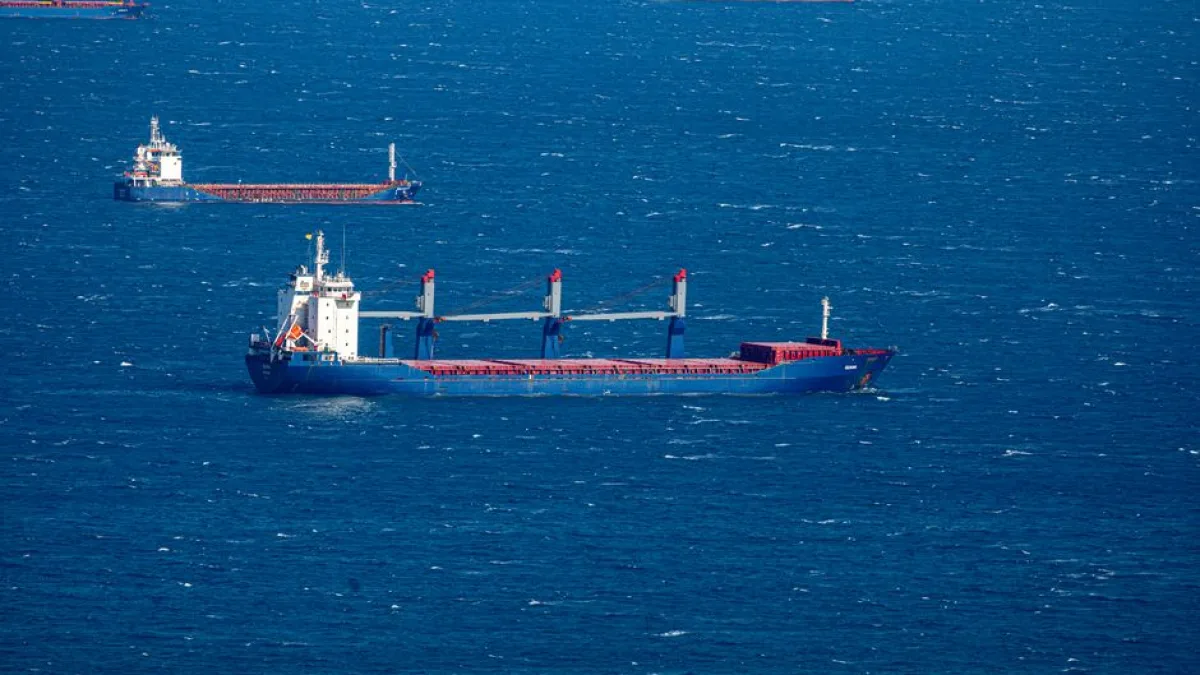
Digital transformation is the foundation for modern freight forwarding success and operational excellence. By focusing on automation, visibility, data analysis, and ecosystem integration, you create a robust framework for consistent growth. The industry is moving quickly, and those who adopt these technologies now will be best positioned to lead the market. Start your transition today to provide unmatched value to your clients.