Digital Transformation in Freight Forwarding: Leveraging Modern Tech
Sunday, September 20 2026
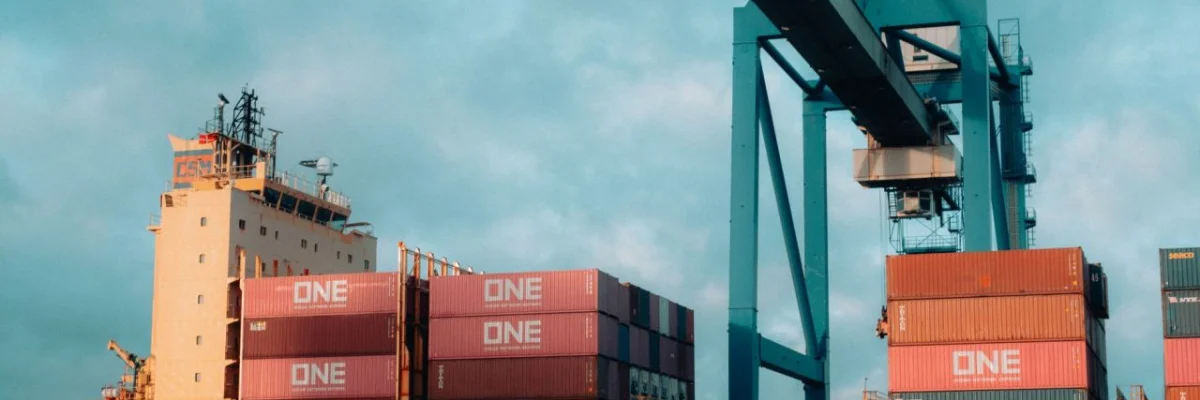
The global logistics landscape is undergoing a massive shift as freight forwarders transition from manual processes to sophisticated digital ecosystems. Modern freight forwarding software provides the foundation for this change by centralizing operations, enhancing transparency, and fostering seamless communication across global supply chains. As client expectations for real time visibility and rapid response times continue to escalate, adopting advanced technology is no longer a luxury but a fundamental necessity for survival. This article explores how integrated platforms empower forwarders to optimize workflows, reduce operational bottlenecks, and maintain a competitive edge in an increasingly complex and fast paced international trade environment.
Automating Complex Operational Workflows

Automation sits at the core of modern logistics efficiency by handling repetitive tasks that often drain resources. By digitizing documentation and booking flows, teams can focus on higher value strategic decision making while reducing the risks associated with manual data entry errors.
- Reduced manual entry: Implementing automated data capture tools allows your team to extract information from documents instantly, which significantly cuts down on processing time and human error rates across shipments.
- Standardized booking processes: Uniform digital booking portals ensure that every request follows a consistent internal protocol, making it easier for your operations team to manage capacity and documentation efficiently.
- Workflow orchestration tools: Digital platforms coordinate multi-step freight journeys by triggering automated alerts and tasks, ensuring that every shipment milestone is hit without constant manual oversight or endless email.
- Dynamic document generation: Generate bills of lading and commercial invoices instantly using existing shipment data, which saves your staff hours of redundant typing and improves document accuracy immediately.
By shifting to an automated environment, freight forwarders liberate their workforce from administrative burdens. This transition not only improves the overall speed of service delivery but also creates a more scalable model for growth. As your business volume increases, the software maintains consistent output without needing proportional increases in headcount, ultimately driving higher profit margins and allowing your team to focus on customer satisfaction.
Achieving True Supply Chain Visibility
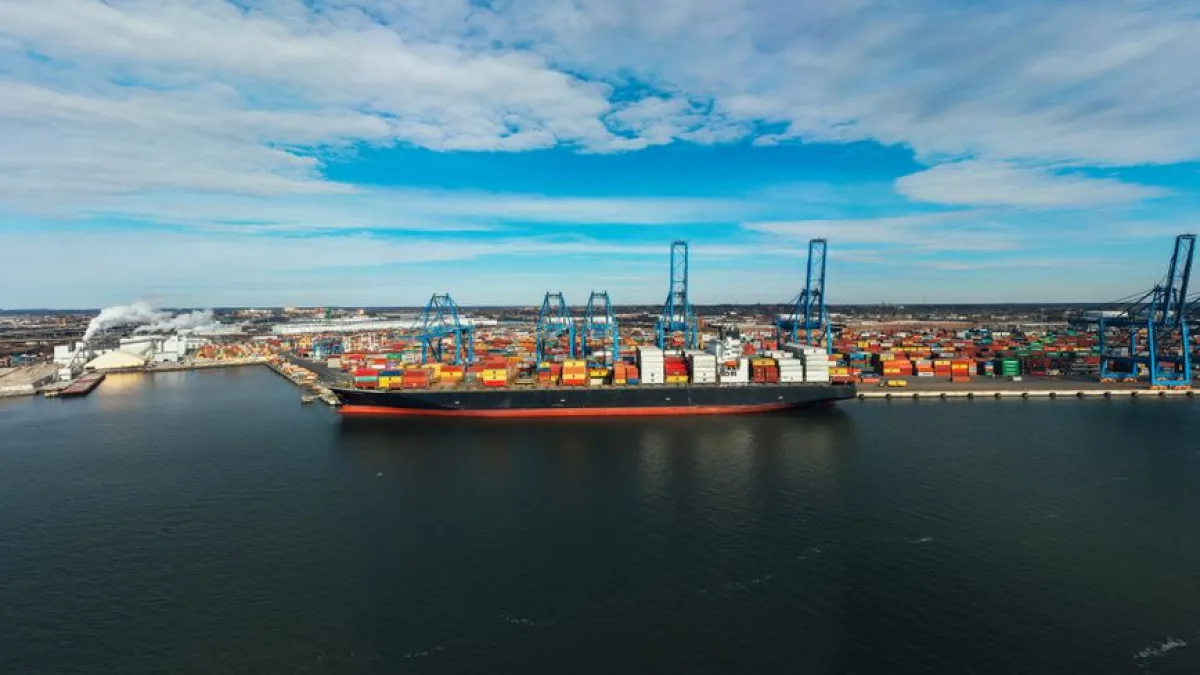
Visibility remains the most critical requirement for shippers today. Providing real time tracking and predictive analytics allows forwarders to offer proactive solutions before minor delays transform into significant supply chain disruptions, thereby strengthening long term client relationships and trust.
- Real time tracking: Integrate GPS and carrier APIs to provide clients with live location updates on their cargo, ensuring they always know exactly where their goods are positioned.
- Predictive delay alerts: Advanced algorithms analyze weather, port congestion, and carrier performance to warn your team about potential disruptions before they cause major impacts on your customers.
- Client self service portals: Empower your customers to access their shipment status independently, reducing the volume of inbound inquiries and freeing your staff for more complex logistical tasks.
- Performance analytics dashboards: Visualize shipping data to identify recurring bottlenecks in your routes, allowing you to optimize your carrier selection and improve service delivery times over time.
Total visibility is no longer just a perk but a standard industry requirement. When you provide clients with transparent access to their data, you transform from a simple service provider into a strategic partner. This level of openness builds deep trust and creates loyalty that keeps clients coming back, even in a volatile market where price and speed are constantly fluctuating factors.
Integrating Systems for Seamless Connectivity
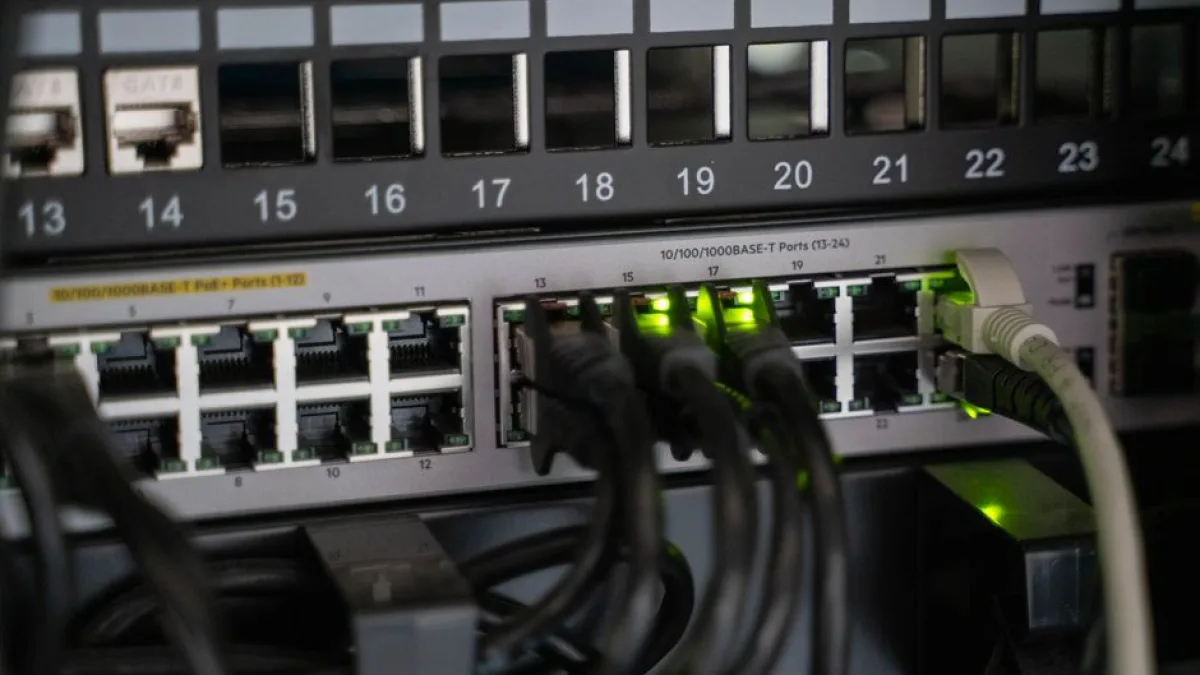
Connectivity between internal software and external partner platforms is essential for operational fluidity. By leveraging cloud based integrations, freight forwarders can synchronize data across accounting, warehousing, and customs systems to eliminate silos and maintain a single source of truth.
- API ecosystem integration: Connect your freight software directly with carrier systems and accounting tools to ensure that data flows seamlessly without the need for manual file transfers.
- Unified data repository: Centralizing every piece of information within one cloud platform prevents data silos, ensuring that all departments have the same up to date shipment details.
- Customs compliance synchronization: Automated links to customs brokerage systems ensure that your declarations are accurate and timely, reducing the risk of costly delays and government audits for clients.
- Scalable cloud architecture: Cloud technology allows you to add new integrations or modules as your business evolves, providing a flexible infrastructure that grows alongside your operational demands.
System integration is the glue that holds a modern freight forwarding business together. By breaking down barriers between disparate software tools, you create a synchronized environment where information moves at the speed of business. This cohesion eliminates the friction caused by disjointed systems, allowing your team to operate with maximum agility and ensuring that data integrity is maintained at every single stage.
Optimizing Financial Performance and Billing

The financial health of a freight forwarder depends on precise billing and fast cash flow. Integrated software platforms streamline the entire revenue cycle from initial quoting to final invoicing, ensuring that every cost is captured and margin leakage is minimized.
- Automated quoting engine: Generate accurate quotes based on live carrier rates instantly, which ensures you remain competitive while protecting your margins against sudden market price fluctuations.
- Integrated billing workflows: Link your operations and accounting modules so that invoices are triggered immediately upon shipment completion, significantly reducing your days sales outstanding and boosting cash flow.
- Cost capture accuracy: Automatically reconcile vendor invoices against your initial service quotes to identify discrepancies, ensuring that you never lose money due to overlooked costs or billing errors.
- Profitability reporting tools: Gain granular insights into shipment profitability by route, carrier, or customer, allowing you to make data driven decisions that improve your overall business margins.
Mastering financial operations through technology is the key to sustainable profitability in a low margin industry. When your software handles the heavy lifting of billing and cost reconciliation, you minimize the risk of revenue leakage and keep your cash flow healthy. This disciplined financial approach provides the stability needed to invest back into your business and continue scaling your operations effectively.
Conclusion

Embracing modern freight forwarding software is the definitive way to thrive in a digital first logistics market. By automating tasks, improving visibility, and integrating your technology stack, you position your firm to scale efficiently while providing superior client service. Start assessing your current technical gaps today and select a platform that aligns with your long term operational goals to ensure future success.