Digital Transformation in Freight Forwarding: Leveraging Modern Tech
Sunday, September 27 2026
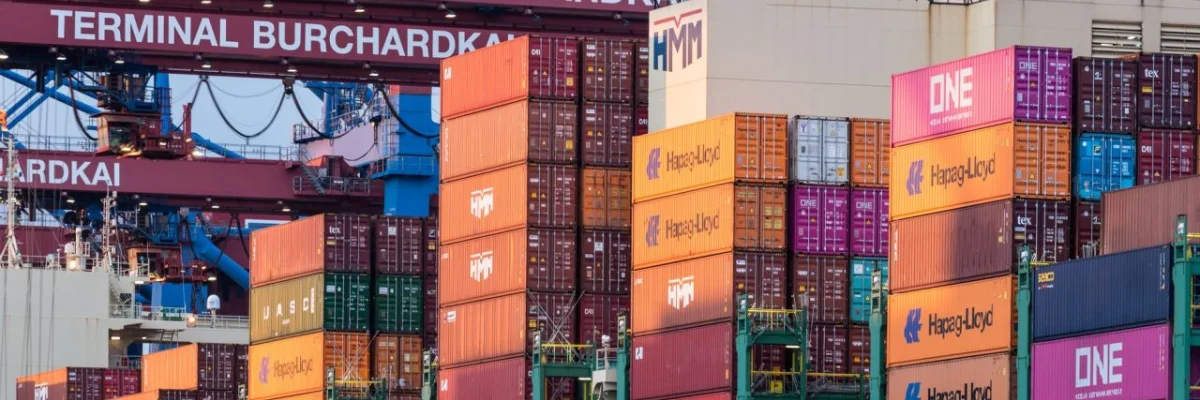
The global logistics landscape is undergoing a massive shift as traditional manual processes give way to digital automation. For freight forwarders, the pressure to maintain margins while improving client experience has never been higher. Adopting cloud-based platforms is no longer a luxury but a necessity for survival in a competitive market. By integrating advanced software solutions, firms can gain real-time visibility into their supply chains, reduce costly human errors, and provide the transparency that modern shippers demand. Embracing these technological advancements enables logistics professionals to focus on strategic growth rather than getting lost in tedious paperwork and endless email chains.
Optimizing Warehouse Operations
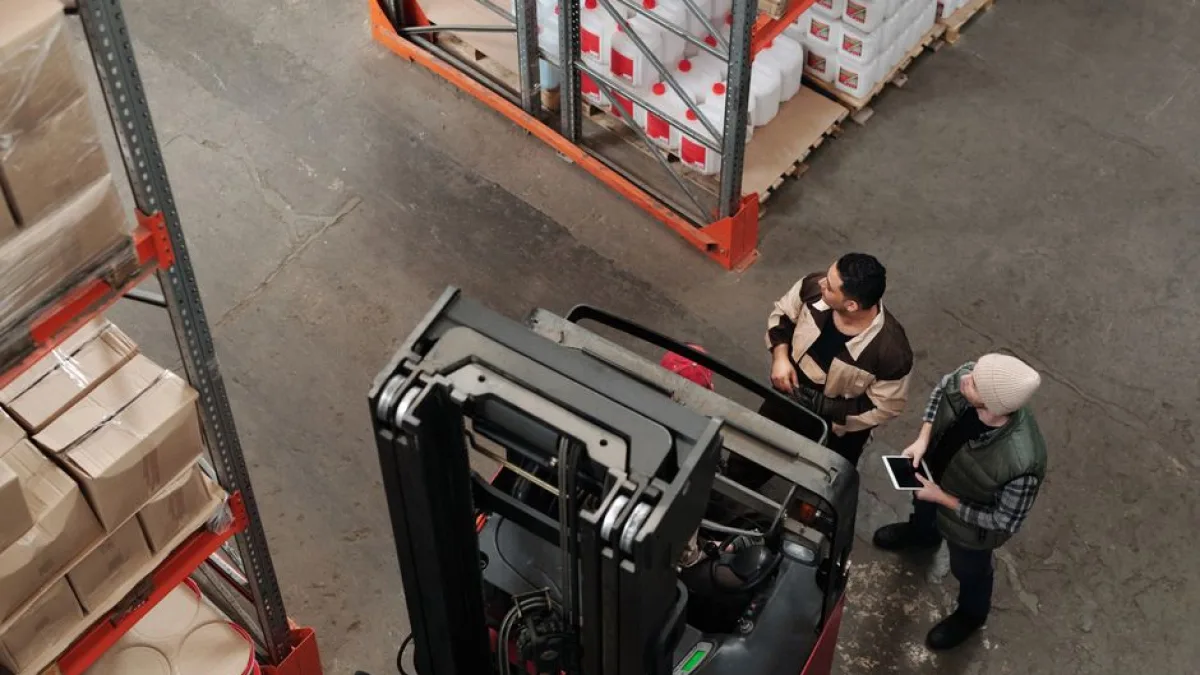
Modern warehouse management systems transform how inventory moves through your facilities by providing precise tracking and automated sorting. By utilizing real-time data, companies can ensure that every pallet is accounted for and that space utilization reaches its full peak potential daily.
- Real-time inventory tracking: Maintain absolute accuracy across your facility by using integrated scanning tools that update digital records instantly to prevent stock discrepancies and improve overall order fulfillment speeds for clients.
- Automated sorting processes: Reduce manual labor requirements by deploying intelligent software that directs goods to the most efficient storage locations while optimizing the path for forklifts and warehouse personnel on site.
- Smart space allocation: Dynamic algorithms analyze current inventory levels to suggest optimal shelf placement, ensuring that high-turnover items remain accessible while slower moving goods occupy the less premium vertical rack space.
- Reduced error rates: Eliminate common mistakes caused by manual data entry through automated barcode verification systems that ensure the right cargo reaches the right destination without any costly shipping delays today.
Optimizing these core warehouse processes leads to a more reliable supply chain that your customers can trust implicitly. As you reduce internal friction, your team gains the capacity to handle larger volumes without increasing headcount. This shift toward automation is essential for scaling operations efficiently. Start by auditing your current data entry points to identify which repetitive tasks can be fully automated using platform integrations.
Streamlining Documentation Workflows
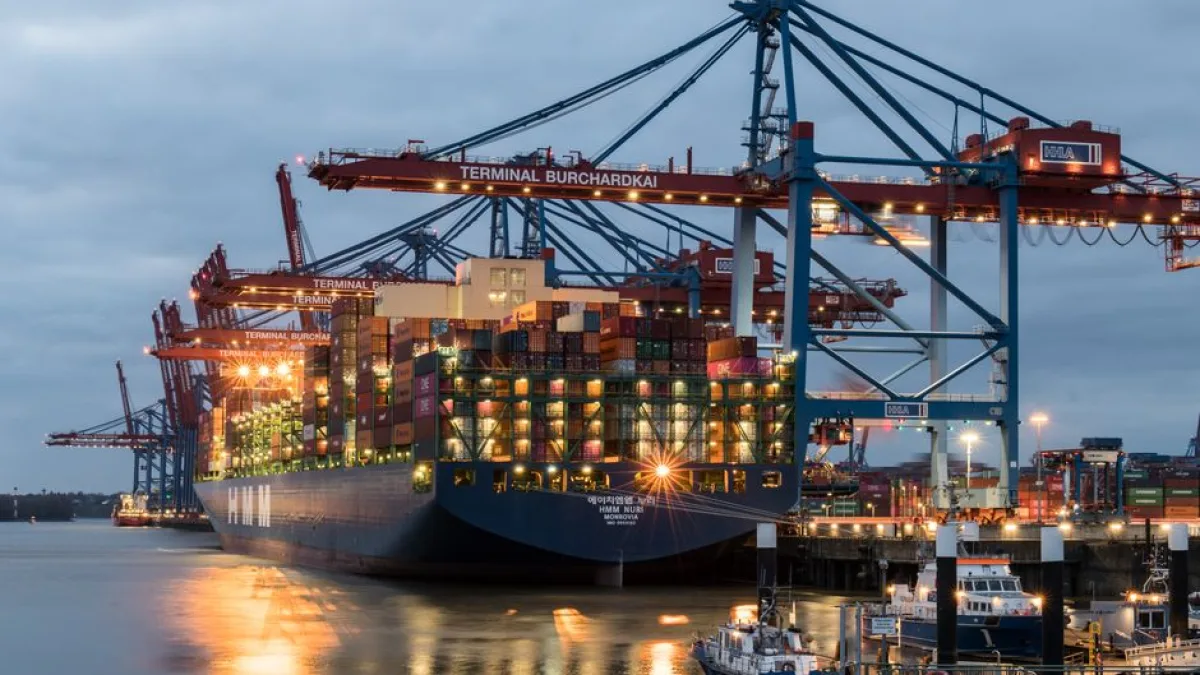
Paperwork remains the biggest bottleneck for many logistics firms, consuming valuable hours that could be spent on revenue-generating activities. Digitizing documentation workflows ensures that every invoice, bill of lading, and customs form is processed rapidly through a centralized cloud system.
- Centralized document repository: Store all critical shipping files within a single cloud platform to allow authorized team members access to essential records whenever they need them from any global location.
- Automated invoicing cycles: Speed up your cash flow by automatically generating and sending professional invoices immediately after cargo milestones are reached, reducing the time spent chasing late client payments.
- Customs compliance integration: Reduce the risk of regulatory fines by utilizing software that keeps your filing data aligned with the latest international shipping standards and government customs requirement updates constantly.
- Collaborative editing tools: Enable multiple stakeholders to review and approve shipping documents simultaneously within the platform to eliminate the need for lengthy email attachments and confusing version control issues entirely.
By moving your documentation to the cloud, you eliminate the risks associated with lost paperwork and version conflicts. This digital approach creates an audit trail that is invaluable during shipping disputes or customs inquiries. Transitioning away from physical files saves immense storage costs and protects sensitive data from unauthorized access, ultimately resulting in a more secure and compliant logistics business model today.
Enhancing Real-time Visibility

Visibility is the primary request from shippers who need to know exactly where their freight sits at every stage of transit. Advanced tracking platforms bridge the gap between carriers and forwarders, providing live updates that keep everyone informed and confident.
- Global tracking integration: Connect your internal software with carrier APIs to pull live location data for all ocean, air, and ground shipments directly into your main tracking dashboard seamlessly.
- Automated status alerts: Configure custom triggers that notify clients automatically when their shipments pass major milestones or encounter unexpected delays, which improves transparency and lowers the customer support burden.
- Interactive client dashboards: Provide your shippers with a white-labeled portal where they can monitor their own cargo movements, download reports, and interact with your team in one place.
- Exception management tools: Identify potential disruptions before they cause major issues by receiving early warnings about weather patterns or port congestion, allowing you to suggest proactive alternative shipping routes.
Providing deep visibility into the supply chain turns your freight forwarding service into a strategic partner rather than just another vendor. When your clients feel informed about their cargo status, they are significantly more likely to remain loyal to your brand. Technology facilitates this trust by removing the mystery of transit and ensuring that data is always accessible, accurate, and actionable daily.
Building Scalable Tech Integrations

The true power of modern freight software lies in how well it plays with other tools in your tech stack. APIs allow disparate systems to talk to each other, creating a unified ecosystem that drives efficiency across your entire organization.
- API-first architecture design: Select software vendors that prioritize open API access to ensure your freight platform integrates easily with accounting software, CRM systems, and internal enterprise resource tools.
- Data synchronization capability: Ensure consistent information across all departments by syncing customer data and shipment history in real-time, which removes the need for redundant manual data entry tasks.
- Scalable cloud infrastructure: Utilize cloud-based platforms that grow alongside your business, allowing you to add new users, modules, or geographic regions without needing to overhaul your existing IT setup.
- Vendor ecosystem access: Take advantage of pre-built integrations with major carriers and customs authorities to fast-track your implementation process and start seeing immediate productivity gains in your daily operations.
A well-integrated tech stack is the foundation of a modern freight forwarder that can adapt to changing industry demands. By choosing software that supports modular growth, you protect your business against future obsolescence. Focus on building connections between your finance, sales, and operations departments today to ensure that everyone works from a single version of the truth within your software platform.
Conclusion

Successful freight forwarding firms must embrace digital tools to stay relevant and profitable in today's fast-moving environment. By prioritizing automation, documentation, visibility, and system integrations, you position your business to handle future challenges with ease. Invest in the right technology platform now to streamline your workflows, satisfy your clients, and secure your place as a leader in the global shipping logistics industry.