Digital Transformation in Freight Forwarding: Leveraging Tech for Growth
Thursday, October 8 2026
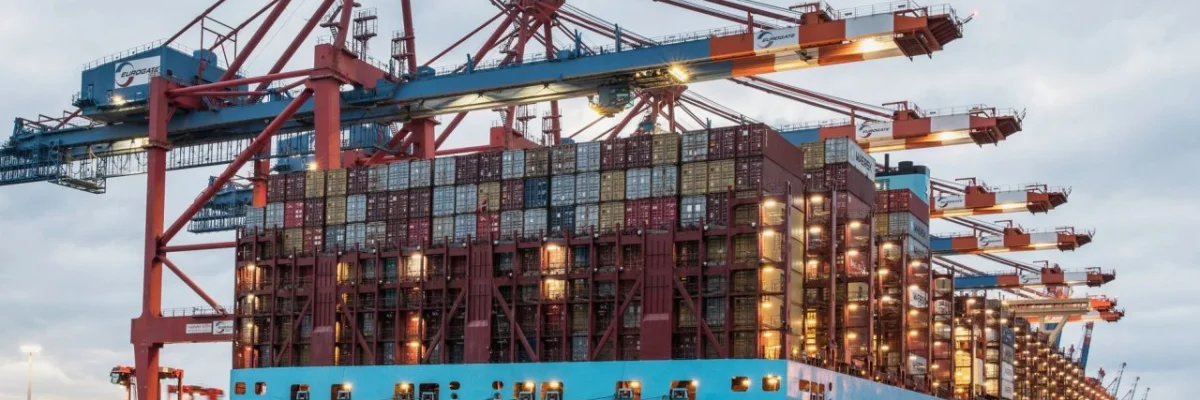
The global logistics landscape is undergoing a massive shift as freight forwarders move away from manual spreadsheets toward integrated cloud-based platforms. Success today requires more than just moving goods from point A to point B. It demands real-time data visibility, seamless partner communication, and automated documentation processes that reduce costly human errors. As client expectations for transparency continue to rise, adopting robust technology is no longer an optional luxury. It is a strategic necessity for firms aiming to maintain a competitive advantage, optimize internal operational efficiency, and scale their service offerings in an increasingly volatile and fast-paced international trade environment.
Automating Manual Documentation Processes

Manual data entry is a significant drain on productivity for modern freight teams. By digitizing documents, forwarders can reclaim valuable hours previously lost to repetitive administrative tasks, allowing staff to focus on strategic client relationship management rather than clerical work.
- Reduced Data Errors: Implementing automated capture technology minimizes the risk of typos and manual entry mistakes that frequently lead to expensive customs delays and billing discrepancies during transit.
- Instant File Sync: Cloud-based systems ensure that all stakeholders access the most current version of shipping documents, eliminating version control conflicts and improving overall team collaboration efficiency.
- Faster Processing Speeds: Automation allows for rapid generation of bills of lading and commercial invoices, significantly reducing the turnaround time required to get cargo moving through terminals.
- Compliance Tracking: Integrated software tools automatically flag missing documentation or regulatory requirements, ensuring that every shipment meets international standards before arriving at the busy port gates.
Transitioning to automated documentation marks a major milestone for any forwarder looking to modernize. By removing the bottleneck of paper-heavy workflows, companies can process shipments with greater speed and accuracy. This reliability builds trust with importers and exporters, fostering long-term loyalty. When your team spends less time fixing errors and more time managing logistics, your operational margins naturally improve over time.
Achieving End to End Visibility

Customers now demand constant updates regarding their cargo status in real time. Providing this level of granular visibility transforms the client experience, turning routine shipping inquiries into proactive status updates that demonstrate professional transparency and operational excellence throughout the process.
- Real Time Tracking: Modern integrations with shipping lines provide accurate geolocation data for containers, allowing forwarders to offer precise delivery estimates to clients waiting for their goods.
- Proactive Issue Alerts: Automated systems notify staff of potential delays due to weather or port congestion, enabling forwarders to suggest alternative routes before significant problems occur.
- Client Portal Access: Providing a secure login for customers allows them to view shipment statuses independently, reducing the volume of status update emails your team handles.
- Historical Data Insights: Analyzing shipment patterns helps forwarders identify recurring bottlenecks in their supply chain, allowing for smarter future planning and more accurate carrier selection processes.
Total supply chain transparency is a powerful tool for customer retention in the logistics sector. When you provide accurate data directly to your clients, you establish your firm as a transparent and reliable partner. This visibility reduces the frequency of incoming support requests and keeps operations running smoothly. Leveraging this technology positions your forwarder as a leader in the global trade market.
Integrating Carrier and Partner APIs
Connecting your internal software directly to external carrier systems creates a unified ecosystem for your operations. These integrations eliminate the need for jumping between different carrier websites, keeping your team focused on one central platform for all logistics management.
- Unified Data Flows: Seamless API connections ensure that booking requests and shipping instructions are transmitted instantly to carriers, saving time and preventing manual input errors during booking.
- Carrier Rate Comparison: Integrating multiple shipping line rates allows for instant price comparisons, helping teams choose the most cost effective routing options for their diverse clientele.
- Automated Status Updates: Direct API feeds push tracking events from the carrier straight into your dashboard, providing reliable information without the need for manual manual status checks.
- Simplified Partner Communication: Digital integration facilitates smooth data exchange between forwarders, trucking companies, and warehouses, creating a connected network that improves overall speed across the shipping cycle.
Optimizing your internal platform through external integrations creates a powerful, consolidated workflow. By linking your systems with carriers and partners, you eliminate fragmented processes and accelerate your service delivery. This interconnected approach allows your team to manage higher volumes of shipments with the same amount of resources. Investing in these digital connections is vital for staying agile in the modern logistics market.
Building Scalable Cloud Infrastructure

Cloud infrastructure provides the flexibility required to grow your business without massive hardware investments. As your freight volume increases, your software platform should expand alongside your needs, ensuring that your technical resources are always aligned with your business goals.
- Scalable Storage Capacity: Cloud platforms easily accommodate growing datasets, ensuring that your historical records and shipment archives remain accessible as your company expands its global reach.
- Secure Data Backups: Regular automated cloud backups protect sensitive client and financial data against loss, providing peace of mind and ensuring business continuity during unexpected failures.
- Flexible Access Points: Remote cloud access enables team members to manage logistics from anywhere in the world, fostering a flexible and responsive working environment for global operations.
- Cost Effective Scaling: Transitioning to subscription based cloud software eliminates large upfront capital expenditures for hardware, allowing you to allocate funds toward other areas of business growth.
A cloud-based strategy empowers freight forwarders to build a robust, future proof business model. By leveraging the flexibility of the cloud, you can quickly adapt to market fluctuations and increased demand. This digital foundation supports sustainable growth and allows your team to operate efficiently from any location. Embracing this infrastructure is the ultimate way to remain competitive in today's fast moving freight industry.
Conclusion

Digital transformation is the engine driving the future of freight forwarding. By automating workflows, improving visibility, and utilizing cloud infrastructure, forwarders can achieve unprecedented efficiency and client satisfaction. While the process of upgrading systems requires initial effort, the long term benefits of scalability and operational control are undeniable. Adopt these tools today to position your firm for growth and success in the global market.