Digital Transformation in Freight Forwarding
Friday, October 9 2026
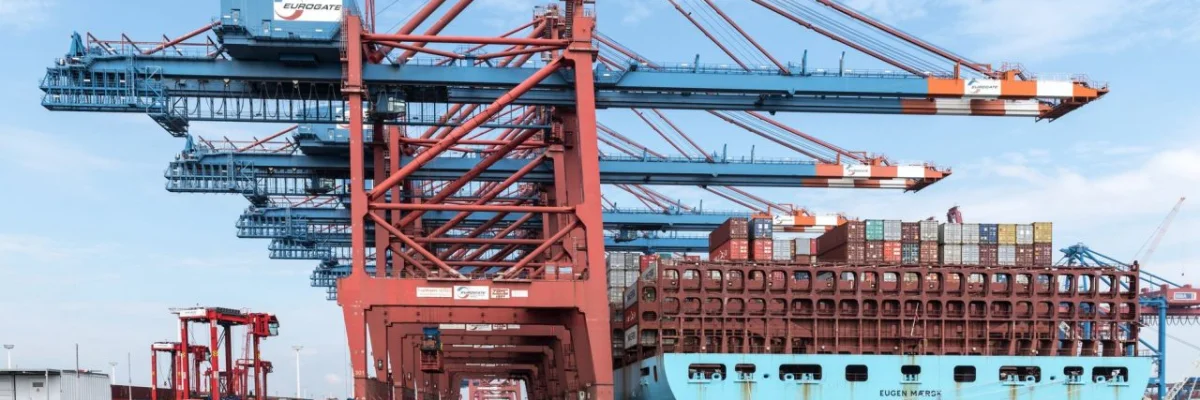
The global logistics landscape is undergoing a massive shift as traditional manual processes give way to advanced cloud-based digital ecosystems. Freight forwarders today face unprecedented pressure to increase transparency, reduce operational costs, and improve service delivery speed. Embracing cloud technology is no longer a luxury but a fundamental necessity for survival in a highly competitive market. By integrating modern software solutions, companies can synchronize their entire supply chain, eliminate communication silos, and provide real-time data access to customers. This evolution empowers teams to shift their focus from repetitive data entry to strategic growth, setting a new standard for modern freight excellence.
Optimizing Operations Through Automation

Modern software automates routine documentation tasks that once consumed hours of valuable staff time. By utilizing intelligent workflows, forwarders can minimize human error, ensure regulatory compliance across borders, and significantly accelerate the speed of cargo processing within their daily operations.
- Automated Documentation Generation: Intelligent platforms generate shipping documents automatically by pulling data directly from existing files, which drastically reduces manual entry errors and saves significant time for operations teams daily.
- Workflow Efficiency Gains: Customizable digital workflows ensure that every step of a shipment follows standard operating procedures, allowing staff to handle higher volumes without compromising on service quality.
- Regulatory Compliance Checks: Advanced systems automatically flag missing information or incorrect codes, ensuring that all submissions meet international customs requirements before the cargo reaches the port gates.
- Error Reduction Strategies: By centralizing data entry, firms eliminate the risk of duplicate records or incorrect inputs that often lead to costly delays and penalty fees during transit.
Implementing automation software allows your logistics team to dedicate their energy toward high-value client relationships rather than chasing paperwork. As the software manages the repetitive tasks, accuracy improves across the entire supply chain. This shift not only builds trust with global partners but also creates a scalable environment where your business can grow comfortably while maintaining tight control over all active freight operations.
Leveraging Real Time Data Visibility

Accessing live shipment data is critical for providing modern clients with the transparency they expect from top-tier logistics providers. Cloud platforms offer dashboards that track every stage of a journey, offering actionable insights that drive better decision-making processes.
- Enhanced Customer Portals: Providing a dedicated portal allows clients to track their own cargo in real time, reducing the need for constant phone calls and emails to support staff.
- Proactive Problem Solving: Real time alerts notify users of potential delays, enabling teams to reroute shipments or update customers before minor issues become major supply chain disruptions.
- Data Driven Insights: Analytics dashboards reveal trends in carrier performance, allowing managers to negotiate better rates based on historical data and reliable route choices for future shipments.
- Integration With Carriers: Seamless connections with major shipping lines provide live status updates, ensuring that your database is always synchronized with the actual location of every container.
Visibility creates a foundation for proactive logistics management that sets successful firms apart from the competition. When you share accurate, up-to-date information with stakeholders, you reduce anxiety and strengthen professional partnerships. This digital approach turns traditional logistics into a competitive advantage by transforming raw data into a clear strategic asset that improves overall customer satisfaction and promotes long-term business retention.
Cloud Security and Data Integrity

Protecting sensitive cargo data is a top priority for forwarders handling international trade information. Robust cloud security protocols ensure that your client information remains private and secure against unauthorized access while maintaining constant availability for your authorized remote working personnel.
- Advanced Encryption Standards: Top cloud providers utilize military grade encryption to protect data at rest and in transit, ensuring that all shipping details remain confidential throughout the process.
- Secure Access Controls: Role-based permissions allow managers to control exactly which team members can view or edit specific shipment data, enhancing internal security and professional oversight.
- Automated Cloud Backups: Reliable backup systems ensure that your business continuity is protected against server failures, allowing for instant data recovery in any unexpected technical emergency scenario.
- Regulatory Data Compliance: Modern platforms are built to meet global privacy regulations, ensuring your company follows the strict data protection laws required for operating in international markets.
Investing in secure software protects your reputation and prevents the massive costs associated with data breaches or information loss. Clients trust partners who demonstrate high standards for data safety and operational reliability. As you move your systems to the cloud, you gain peace of mind knowing that your infrastructure is hardened against threats while remaining accessible to your team from any location worldwide.
Scaling Business Through Seamless Integrations
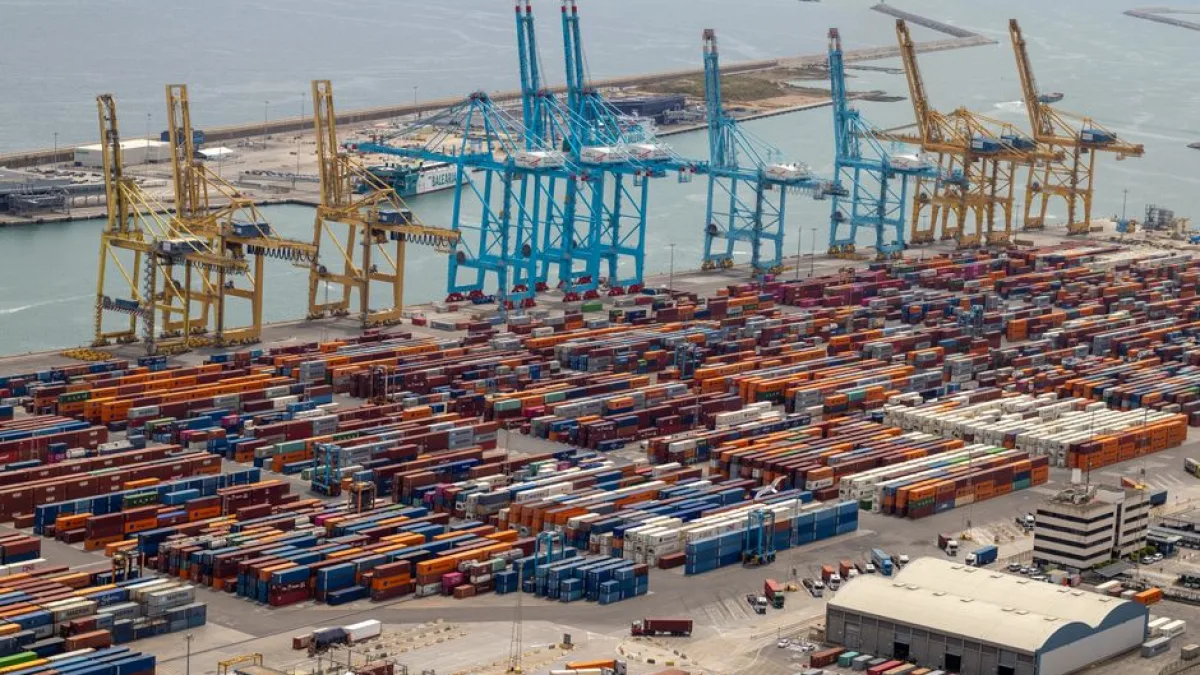
Connectivity between different software tools is essential for a fluid logistics operation. Integration allows your internal systems to talk with accounting software, customs authorities, and carrier APIs, ensuring a single source of truth across your entire digital enterprise ecosystem.
- Unified System Connectivity: Connecting your freight software with accounting tools ensures that invoicing is accurate and timely, which helps maintain a healthy cash flow for your business.
- Simplified API Access: Modern platforms offer easy access to open APIs, allowing companies to customize their digital environment to fit their specific operational needs and requirements.
- Eliminating Information Silos: When software systems communicate effectively, every department works from the same set of data, preventing miscommunications that cause delays in the billing and collection cycle.
- Rapid Partner Onboarding: Integrated platforms allow you to connect with new agents or partners quickly, reducing the time required to expand your service reach to new markets.
Strategic integration bridges the gaps between fragmented departments and external partners, creating a cohesive operation that scales effortlessly. By minimizing manual cross-platform data management, you free your staff to focus on revenue-generating activities rather than technical maintenance. This technological maturity supports sustainable growth, allowing your freight forwarding business to remain agile and responsive to the evolving demands of the global logistics industry every day.
Conclusion

Adopting advanced freight technology is the most effective way to optimize your logistics operations and achieve sustainable growth in the modern market. By leveraging automation, data visibility, and secure integrations, you position your firm as a leader in the global forwarding industry. Start your digital transformation journey today by evaluating your current software capabilities and investing in solutions that drive long-term business efficiency and success.