Digital Transformation Trends Reshaping Freight Forwarding Logistics
Sunday, November 1 2026

The global logistics landscape is undergoing a profound digital shift that demands agility and technical proficiency from modern freight forwarders. As supply chains become increasingly complex and volatile, the reliance on traditional manual processes has proven to be a significant bottleneck for growth and efficiency. By embracing innovative software solutions, forwarders can now unlock unprecedented visibility, automate repetitive tasks, and provide superior client experiences. This article explores the vital technological trends currently redefining the industry, empowering professionals to navigate the digital era with confidence while building a scalable foundation for future international trade operations and long-term business success.
Automated Workflow Integration

Digital automation acts as the backbone of modern freight forwarding by replacing slow manual entries with instant data synchronization. By integrating automated workflows, companies reduce human error and accelerate documentation processing times significantly across every single international shipping lane.
- Eliminate manual entry: Implementing automated data capture tools ensures that shipping documents are processed without human intervention, which drastically lowers the risk of costly administrative errors during data migration.
- Real-time data flow: Syncing systems allows your team to access shipment updates instantly, preventing communication silos and ensuring that all stakeholders remain informed throughout the entire logistics cycle.
- Faster document turnaround: Automated templates for bills of lading and commercial invoices slash processing times, enabling your staff to handle higher shipment volumes without increasing operational labor costs.
- Seamless system connectivity: Integrating your platform with carrier APIs ensures that rate retrieval and booking confirmations happen in seconds rather than hours or days of manual effort.
Forwarders who prioritize workflow automation gain a distinct competitive edge by freeing up valuable human capital for high-value strategic tasks. When mundane administrative burdens are removed, teams can focus entirely on customer acquisition and service optimization. This shift toward intelligent automation not only improves operational efficiency but also drives higher profitability by allowing your business to handle complex logistics demands with precision and speed.
Enhanced Supply Chain Visibility
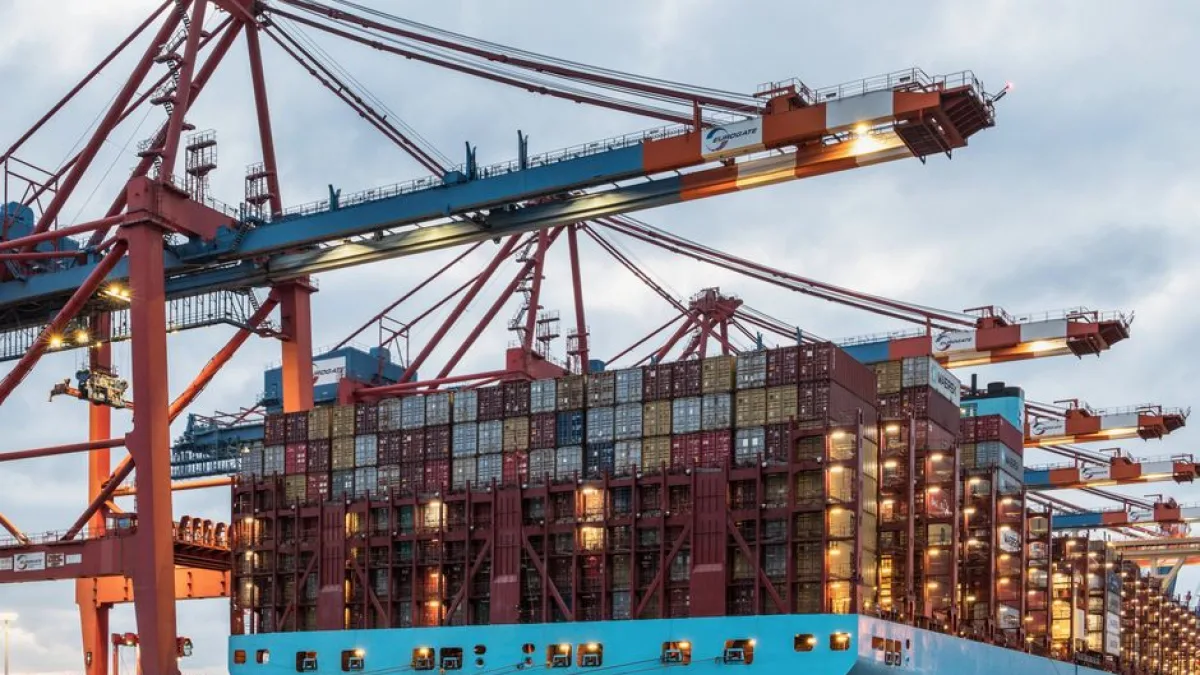
Transparency has become the primary demand from shippers who need granular tracking data for their global shipments. Achieving high-level visibility requires robust software that aggregates data from carriers and ports to provide actionable insights for your end customers.
- Proactive status alerts: Automated notification systems keep clients updated on shipment milestones, which significantly reduces the time your customer support team spends answering repetitive status update inquiries daily.
- Exception management tools: Advanced monitoring software detects potential delays before they occur, allowing your team to implement contingency plans that keep supply chains moving even during unforeseen disruptions.
- Comprehensive shipment tracking: Providing a centralized dashboard allows your shippers to see every milestone of their cargo journey in one place, fostering trust and long-term partner loyalty.
- Data-driven decision making: Leveraging historical shipment data helps your team analyze route performance and carrier reliability, leading to smarter logistics planning and better negotiations for future freight.
Superior visibility serves as a hallmark of professional freight forwarding in the modern age. By providing customers with accurate and instant information, you demonstrate reliability and technical sophistication. This transparency reduces stress for the shipper while positioning your company as an essential strategic partner. Investing in visibility tools ensures you meet the high expectations of global commerce while maintaining absolute operational control.
Cloud Computing Benefits

Transitioning to cloud-based logistics software removes the physical limitations of local hardware while enabling global access to critical business operations. This shift allows remote teams to collaborate effectively while maintaining top-tier security standards for sensitive cargo data.
- Global team access: Cloud platforms empower your employees to manage shipments from any location, facilitating 24/7 operations and ensuring that your freight forwarding business remains truly agile today.
- Scalable server infrastructure: Modern cloud solutions allow your business to expand its capacity instantly as your shipment volume grows, ensuring that your software performance never suffers during spikes.
- Enhanced data security: Professional cloud hosting providers employ sophisticated encryption and security protocols that far exceed what most individual freight forwarders could manage with internal on-premise servers.
- Automatic software updates: Relying on cloud services ensures your platform always runs on the latest version, providing immediate access to new features and essential security patches regularly.
Cloud computing provides the necessary infrastructure for modern businesses to operate without geographical constraints or technical barriers. By moving away from rigid local software, you ensure that your team stays connected and efficient regardless of the environment. This scalability is essential for companies aiming to capture new market opportunities while keeping overhead costs manageable and secure in a digital-first global economy.
Advanced Data Analytics

The effective use of data analytics transforms raw logistics information into a strategic asset for freight forwarding firms. By analyzing shipment patterns, companies can optimize their pricing models and resource allocation to improve overall financial performance significantly.
- Predictive cost analysis: Analyzing historical shipping costs allows your firm to forecast budget requirements accurately, helping you offer more competitive quotes that remain profitable in fluctuating markets.
- Customer behavior trends: Tracking client shipping frequency and preferred routes reveals growth opportunities, enabling your sales team to provide targeted offers that increase customer lifetime value substantially.
- Carrier performance reviews: Regularly analyzing carrier data helps identify which providers offer the best service levels and pricing, ensuring you select the most efficient options for your clients.
- Operational efficiency reporting: Custom dashboards highlight bottlenecks in your current processes, providing the clarity needed to refine workflows and drive continuous improvement across your entire organization daily.
Leveraging analytics shifts your business from a reactive state to a proactive strategic model. When you understand the underlying trends of your logistics operations, you make better decisions that drive growth and customer retention. This focus on data ensures that your freight forwarding practice remains robust, profitable, and ready to adapt to the ever-evolving challenges of international trade in the future.
Conclusion
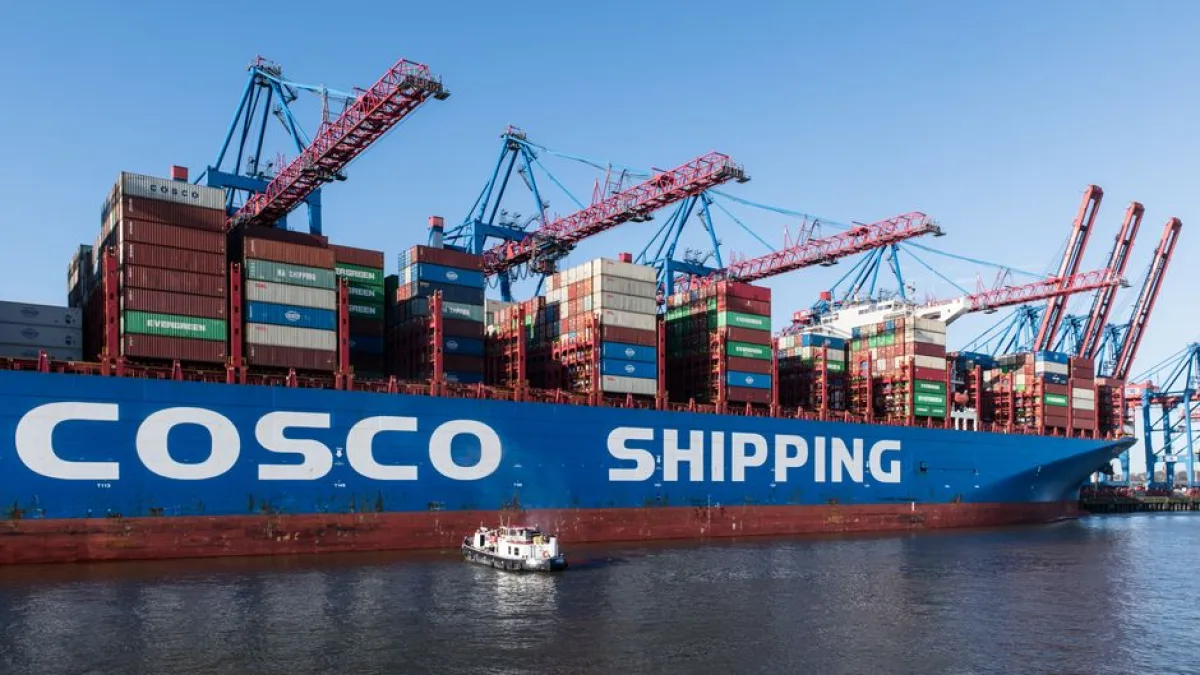
Digital transformation is no longer a luxury but a fundamental necessity for freight forwarders striving to compete in a rapidly evolving market. By integrating automation, visibility, cloud infrastructure, and data analytics, you build a resilient business ready for future growth. Now is the ideal moment to assess your current software capabilities and adopt the tools that will carry your freight forwarding operations forward successfully.