Digital Transformation: Modernizing Freight Forwarding through API Integrations
Saturday, October 3 2026
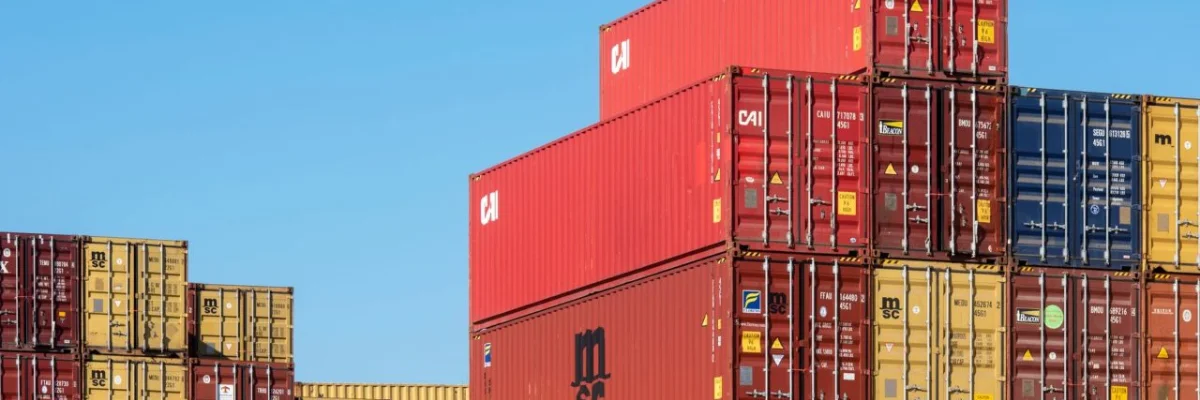
The global logistics landscape is undergoing a profound shift as manual processes give way to high speed digital solutions. For modern freight forwarders, the ability to connect disparate systems via API integrations is no longer a luxury but a fundamental necessity for survival. By linking booking platforms, customs portals, and carrier tracking systems, companies can eliminate data silos and reduce human errors. This evolution enables logistics providers to scale operations, improve customer transparency, and maintain a competitive edge in a fast moving market. Embracing this technological shift represents the most reliable path toward operational excellence and sustainable long term growth.
The Power of Connectivity
Seamless connectivity allows different software environments to talk to each other without manual intervention. This digital bridge ensures that information flows instantly between parties, which is essential for maintaining agility in an increasingly complex and demanding global transportation network.
- Real time data sync: Automatic synchronization between your freight platform and carrier systems ensures that every update is reflected instantly, allowing your team to act on the most current shipment status.
- Reduced manual entry: Removing the need for repetitive typing decreases the chance of human error and allows your staff to focus on high value tasks like client relations.
- Better partner collaboration: Secure data sharing protocols allow you to connect with overseas agents and local transporters to ensure everyone is operating from the exact same information set.
- API based flexibility: Modern architectures allow for custom connections that adapt to your unique business needs, ensuring you are never restricted by rigid, legacy software limitations today.
By prioritizing connectivity, freight forwarders create a unified digital ecosystem that supports rapid decision making. When systems share information fluidly, the entire logistics chain gains a level of visibility that was previously impossible. This reduction in friction helps teams resolve bottlenecks before they turn into major delays. Ultimately, investing in robust integration tools creates a scalable foundation for future expansion and improved operational resilience.
Automating Complex Documentation

Automating documentation reduces the burden on your team by digitizing critical paperwork like bills of lading and commercial invoices. This transition speeds up processing times while ensuring that all compliance standards are met through rigorous, automated validation checks and updates.
- Instant document generation: Generate standard shipping documents directly from your booking data to save time while ensuring high levels of accuracy across every single outbound shipment folder.
- Compliance validation checks: Intelligent software automatically flags missing information or incorrect codes, preventing customs delays before your cargo ever arrives at the border or the port.
- Digital storage access: Cloud based systems allow for instant retrieval of historical records, making audits and customer inquiries significantly faster than searching through physical filing cabinets daily.
- Error reduction strategies: Automated workflows cross reference data points against global databases, drastically lowering the risk of fines and penalties associated with inaccurate or incomplete shipping declarations.
Automation is the cornerstone of a modern office environment that values precision and speed. By removing manual document processing, forwarders free up hours of billable time previously lost to administrative drudgery. This shift toward digital efficiency enhances professional output and allows teams to manage higher cargo volumes without increasing headcount. Consequently, businesses see an immediate improvement in their overall processing speed and profit margins.
Improving Customer Transparency
Providing clients with live updates is the best way to build long term loyalty in the logistics sector. Customers now expect instant visibility into their supply chains, requiring forwarders to provide reliable, automated tracking data throughout every journey phase.
- Live tracking portals: Give your clients a secure login to view their cargo locations in real time, reducing the need for constant phone calls and email inquiries.
- Automated email notifications: Configure custom triggers that send status alerts to your clients whenever a shipment reaches a specific milestone or faces an unexpected transit delay.
- Transparent milestone updates: Providing granular visibility into each step of the transport process builds trust and allows customers to plan their own downstream logistics with confidence.
- Self service dashboards: Empower customers to download their own reports and tracking summaries on demand, positioning your brand as a modern and highly responsive logistics partner.
Transparency is no longer an optional service but a standard expectation in modern logistics. When you provide reliable tracking updates, you essentially purchase peace of mind for your clients. This high level of service differentiates your company from competitors who still rely on delayed updates. Consistent communication fosters long term partnerships and ensures your clients feel confident throughout the entire shipping process.
Scaling Operations with Technology

Technology provides the framework needed to scale your operations effectively as your volume of shipments grows. By leveraging cloud based software, you can manage more complex logistics networks without the usual overhead costs associated with traditional manual office management.
- Cloud infrastructure benefits: Access your logistics platform from anywhere in the world, enabling a remote friendly workforce that can collaborate across different time zones without any technical lag.
- Rapid system onboarding: Modern platforms are designed for quick setup, allowing you to scale your team or add new service lines without months of technical downtime today.
- Data driven insights: Utilize advanced analytics tools to track your performance metrics, identifying areas where you can optimize routes, save costs, or increase your overall margin.
- Scalable system architecture: Choose software that grows alongside your business, ensuring that your core tools will not become obsolete as you expand into new international trade markets.
Strategic growth depends on the ability to leverage technology to handle increased complexity. When you automate repetitive tasks and integrate your data flows, your business becomes capable of handling larger volumes with greater ease. This efficiency ensures that you remain competitive regardless of market fluctuations. By staying tech forward, you position your logistics company to thrive in an increasingly automated global trade industry.
Conclusion
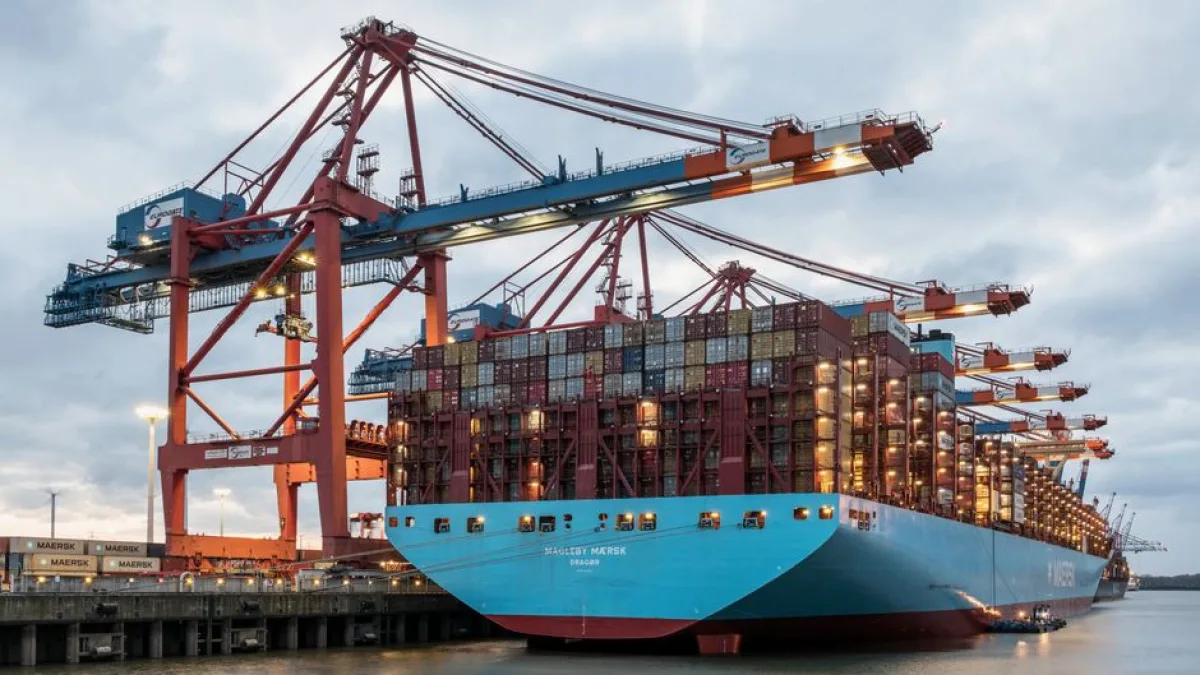
Advancements in software integration are fundamentally changing how freight forwarders operate on a daily basis. By choosing to embrace digital tools and robust API connections, you can streamline your workflows, improve accuracy, and provide unparalleled service to your clients. Start modernizing your operations today by evaluating your current software stack and identifying where new integrations can drive the highest value for your team.