Digital Transformation in Freight Forwarding: Leveraging Cloud Integrations
Thursday, October 29 2026

The global logistics landscape is undergoing a massive shift as freight forwarders move away from legacy systems toward unified cloud platforms. Modern supply chains demand real-time visibility, automated documentation, and seamless communication between stakeholders across the globe. By adopting cloud-based solutions like MakeCargo, logistics providers can eliminate the friction caused by data silos and manual entry errors. This transition is not merely about upgrading software but about fundamentally redefining how companies manage complex international shipments. Embracing technological integration allows freight professionals to scale their operations efficiently while maintaining the high level of service that their clients expect in today-s fast-paced market.
Optimizing Workflow Connectivity
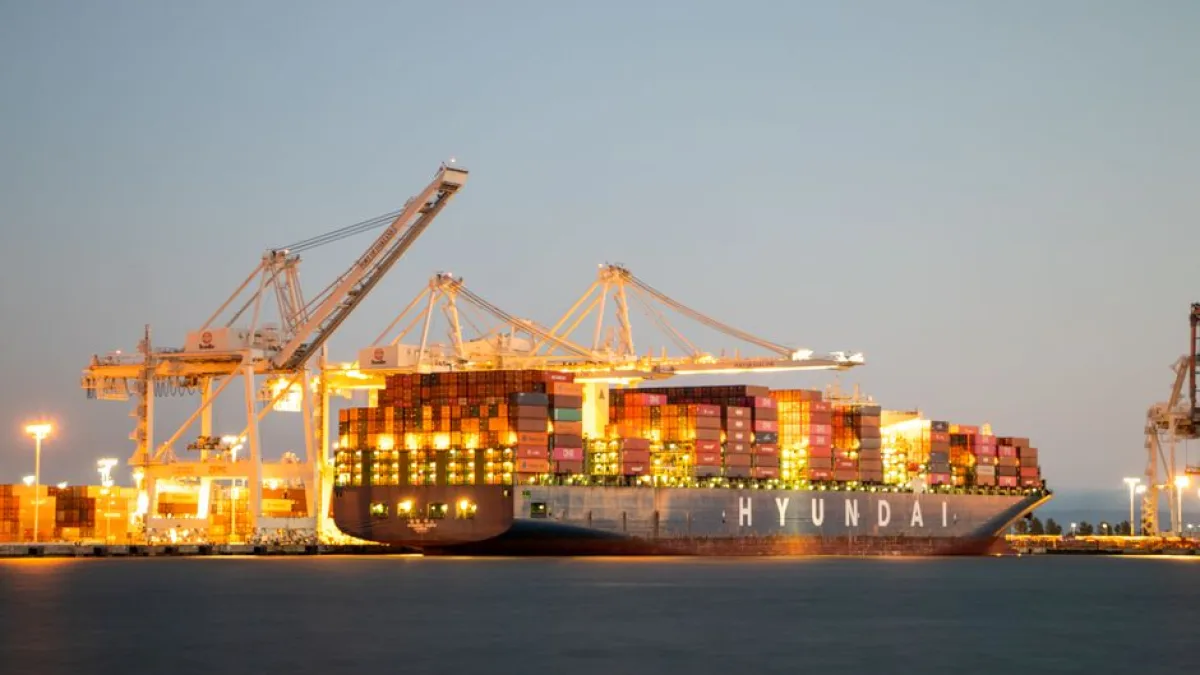
Establishing a connected digital ecosystem is essential for forwarders who want to maintain a competitive edge. By integrating core operations into one cloud environment, teams can access critical shipment data instantly, reducing the time spent navigating disparate, disconnected internal software tools.
- Unified Data Access: Centralizing shipment records allows team members to view statuses instantly without needing to email different departments or manually refresh spreadsheets to see the latest cargo updates.
- Reduced Manual Entry: Automation tools significantly decrease the likelihood of human error during document preparation by pulling client data directly from secure profiles into standardized shipping forms automatically.
- Improved Team Collaboration: Real-time messaging features integrated within the platform ensure that everyone involved in a shipment stays informed about milestones, delays, or critical customs documentation changes immediately.
- Secure Cloud Storage: Digital document management protects sensitive business information from physical loss while ensuring that every authorized employee can retrieve essential compliance files from any location worldwide.
When software components speak to each other, the entire organization benefits from enhanced clarity and speed. Moving away from fragmented systems helps teams focus on high-value tasks like client management instead of chasing down status updates. This holistic approach builds resilience against market volatility, allowing forwarders to react quickly to disruptions while ensuring that their operational costs remain stable and predictable over time.
Automating Customs and Compliance

Navigating the complexities of international trade regulations requires extreme precision and constant vigilance. Cloud integrations automate the filing of compliance documents, ensuring that every shipment adheres to regional laws while avoiding expensive delays or penalties caused by simple clerical errors.
- Real-time Compliance Checks: Automated systems scan shipment data against updated global regulatory databases to flag potential issues before they cause costly delays during the customs clearance process at borders.
- Automated Filing Systems: Electronic submission of customs entries directly to government authorities speeds up processing times significantly by removing the need for physical paperwork or manual submission workflows.
- Standardized Document Templates: Using built-in templates for commercial invoices and bills of lading ensures that your paperwork remains consistent and compliant with international standards for every new shipment.
- Transparent Audit Trails: Digital logs provide a comprehensive history of every compliance action taken on a shipment, which simplifies internal audits and satisfies strict government reporting requirements effortlessly.
Automated compliance serves as a powerful shield against the legal risks associated with international logistics. By delegating routine checks to intelligent software, freight forwarders protect their reputations and ensure that goods move across borders without unnecessary friction. This level of automation transforms the compliance department from a reactive burden into a proactive asset, allowing for smoother operations even in highly regulated global markets.
Enhancing Customer Visibility
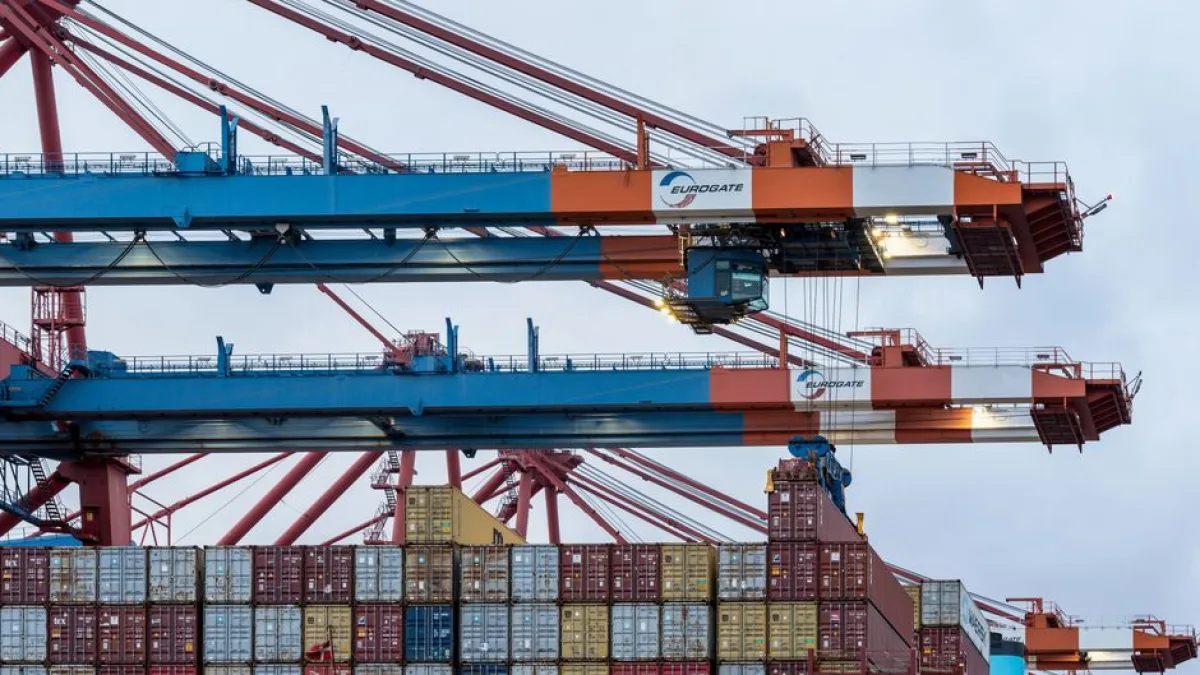
Providing clients with transparent, real-time tracking capabilities is no longer a luxury but a fundamental necessity. Advanced cloud platforms offer customer portals that allow clients to monitor their cargo status and access documents whenever they need, boosting overall service satisfaction.
- Live Cargo Tracking: Clients gain confidence by accessing automated status updates that show the precise location of their freight as it moves through various transportation modes and facilities.
- Self-Service Client Portals: Enabling customers to download their own invoices and shipping documents reduces the administrative burden on your support team and improves the overall service experience.
- Customized Reporting Tools: Offering clients personalized performance reports helps them analyze their own supply chain efficiency, which strengthens your partnership and builds long-term loyalty for your logistics brand.
- Instant Notification Alerts: Automated emails or SMS updates keep clients informed about major transit milestones or unexpected delays without requiring your staff to perform manual check-ins constantly.
Transparent communication is the cornerstone of trust in the freight forwarding industry. When clients can see the status of their shipments at any time, their need for repetitive status calls decreases significantly. This shift empowers forwarders to spend more time building deeper relationships with their customers, ensuring long-term retention and helping to position the business as a leader in reliable service delivery.
Scaling Through Cloud Infrastructure

Scaling a freight forwarding business requires a robust digital foundation that grows alongside your shipping volume. Cloud-based software provides the flexibility to add users, enter new markets, and expand service offerings without the limitations of expensive, rigid hardware or internal servers.
- Effortless System Scaling: Expanding your operations into new regions is simple when your software is cloud-native, allowing you to onboard new staff members in different time zones quickly.
- Lower Overhead Costs: Eliminating the need to maintain physical servers or pay for high-level local IT support allows your business to allocate resources toward core growth strategies instead.
- Remote Access Flexibility: Employees can manage shipments, approve documents, and communicate with partners from any location, which creates a flexible work environment that attracts top industry talent.
- Frequent Software Updates: Cloud platforms provide automatic security patches and feature enhancements that ensure your business always uses the latest technology without needing expensive manual software installations.
Adapting to the future of logistics requires a commitment to flexible digital infrastructure that supports rapid growth and global expansion. By leveraging the power of cloud-based freight software, forwarders can remain agile while controlling operational expenses effectively. This modern approach to management ensures that your team remains focused on long-term goals while delivering excellent service in an increasingly digital and connected global economy.
Conclusion

Successful freight forwarders now recognize that technology integration is the primary driver of growth in a modern, interconnected market. By adopting cloud-based platforms, logistics firms achieve operational excellence, improved customer service, and greater regulatory security. Transitioning to these advanced digital tools allows your business to remain agile and competitive. Start optimizing your forwarding operations today to ensure your company thrives in the evolving landscape of international shipping.