Digital Transformation in Freight Forwarding: Why Integration is Essential
Saturday, October 10 2026

The global logistics landscape is undergoing a massive shift as freight forwarders move away from manual processing toward cloud-based ecosystems. Relying on disconnected spreadsheets and legacy systems creates bottlenecks that stifle growth and erode profit margins in an increasingly competitive market. Modern freight forwarding requires a cohesive approach where data flows seamlessly between carriers, customs authorities, and end clients. By adopting integrated technology, forwarders can gain real-time visibility and operational agility. This transition is no longer a luxury but a fundamental necessity for companies aiming to survive and thrive amidst global supply chain disruptions and rising customer expectations.
The Power of API Connectivity

API connectivity serves as the backbone of modern freight forwarding by allowing disparate software platforms to communicate in real time. This bridge eliminates the need for manual data entry, significantly reducing human error while accelerating the entire documentation workflow across all departments.
- Seamless data exchange: Automated interfaces allow your system to pull information directly from carrier portals, ensuring that your team always works with the most accurate and current shipment records.
- Reduced manual labor: Eliminating repetitive typing tasks saves hundreds of staff hours every month, allowing your workforce to focus on complex problem solving and high value customer service.
- Faster document processing: Digital synchronization enables the instant generation of bills of lading and invoices, ensuring that your financial cycles remain efficient without constant administrative oversight or delays.
- Improved system accuracy: Direct data feeds prevent the inconsistencies that often occur when staff manually copy details between different platforms, leading to cleaner databases and better reporting outcomes.
By leveraging robust APIs, freight forwarders create a unified digital environment that fosters transparency. When information updates automatically, stakeholders spend less time chasing status reports and more time managing exceptions. This shift improves internal morale and external client trust by providing consistent, reliable data across every touchpoint of the logistics journey, ensuring that your firm remains at the cutting edge of modern shipping efficiency.
Centralized Cargo Tracking Systems
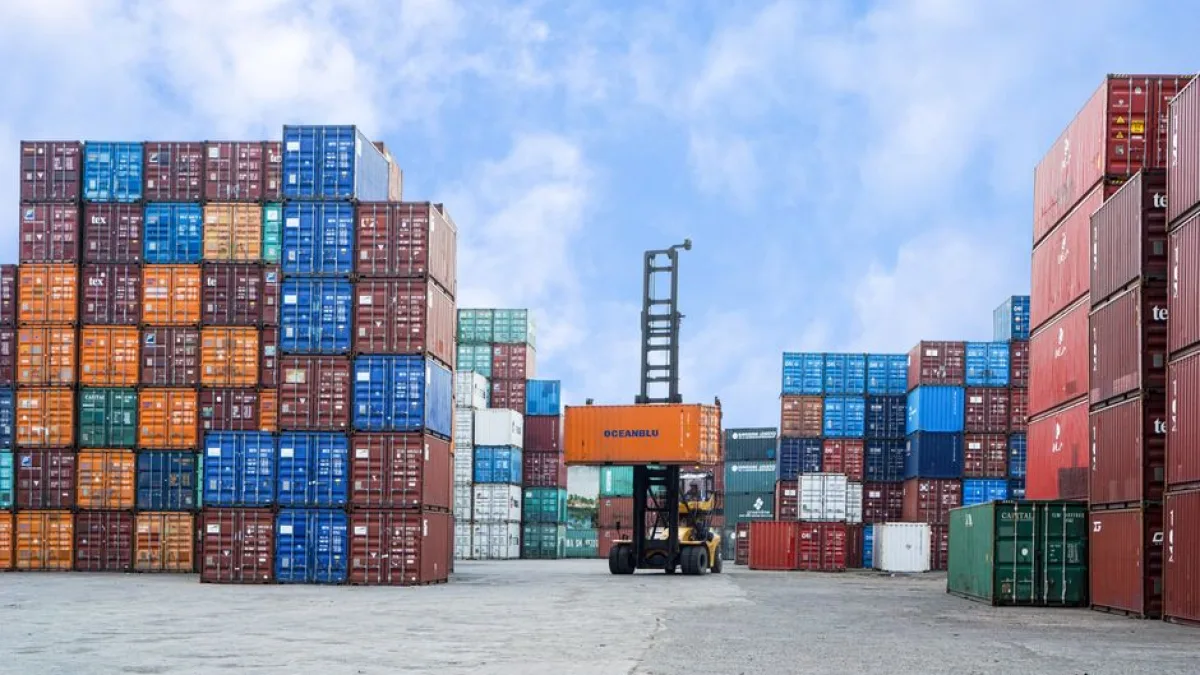
Centralized tracking platforms provide a single source of truth for global shipments, replacing fragmented email threads with live dashboards. Visibility is a critical asset that allows forwarders to proactively manage transit risks and keep their clients informed at all times.
- Real time tracking: Gain immediate access to vessel positions and transit milestones through integrated portals that pull live updates directly from global carrier tracking and satellite networks.
- Proactive exception management: Automated alerts notify your operations team of delays or route changes instantly, allowing you to suggest alternative solutions before they impact client delivery schedules.
- Enhanced client portals: Give your customers the ability to monitor their own freight through a secure online interface, significantly reducing the volume of inbound status update requests.
- Historical performance metrics: Analyze historical shipment data to identify trends in transit times or carrier performance, enabling more informed decision making for your future logistics procurement strategies.
Maintaining a centralized tracking system transforms your operations from reactive to proactive. When every team member sees the same information, collaboration improves and operational silos disappear completely. This high level of visibility is what differentiates successful forwarders from competitors who still rely on manual tracking requests. Delivering accurate information instantly becomes your primary competitive advantage in a complex global market environment.
Automating Compliance and Customs

Navigating international trade regulations requires extreme precision, and automated compliance tools help forwarders avoid costly fines. Technology streamlines the filing process by ensuring that all required documentation aligns perfectly with specific regional requirements and ongoing international trade policy updates.
- Customs data validation: Advanced software scans your shipping documentation for errors or missing information before filing, preventing costly rejections or holds at various international border control checkpoints.
- Regulatory update alerts: Stay current with the latest international shipping laws through automated software updates that reflect shifting customs requirements and new mandatory document filing protocols.
- Structured classification databases: Utilize integrated HS code databases to ensure that commodities are classified accurately every time, reducing the risk of audits and associated financial penalties for shippers.
- Simplified document archival: Keep a perfectly organized digital trail of every customs entry for audit purposes, ensuring your company remains compliant with local and international law.
Automating your customs processes provides peace of mind while significantly increasing throughput. By removing the guesswork from classification and filing, your staff can clear shipments faster and with much higher accuracy. This technological investment secures your reputation as a reliable partner capable of navigating complex regulatory landscapes, allowing you to scale your business across multiple new international trade lanes with confidence.
Optimizing Warehouse Logistics Integration
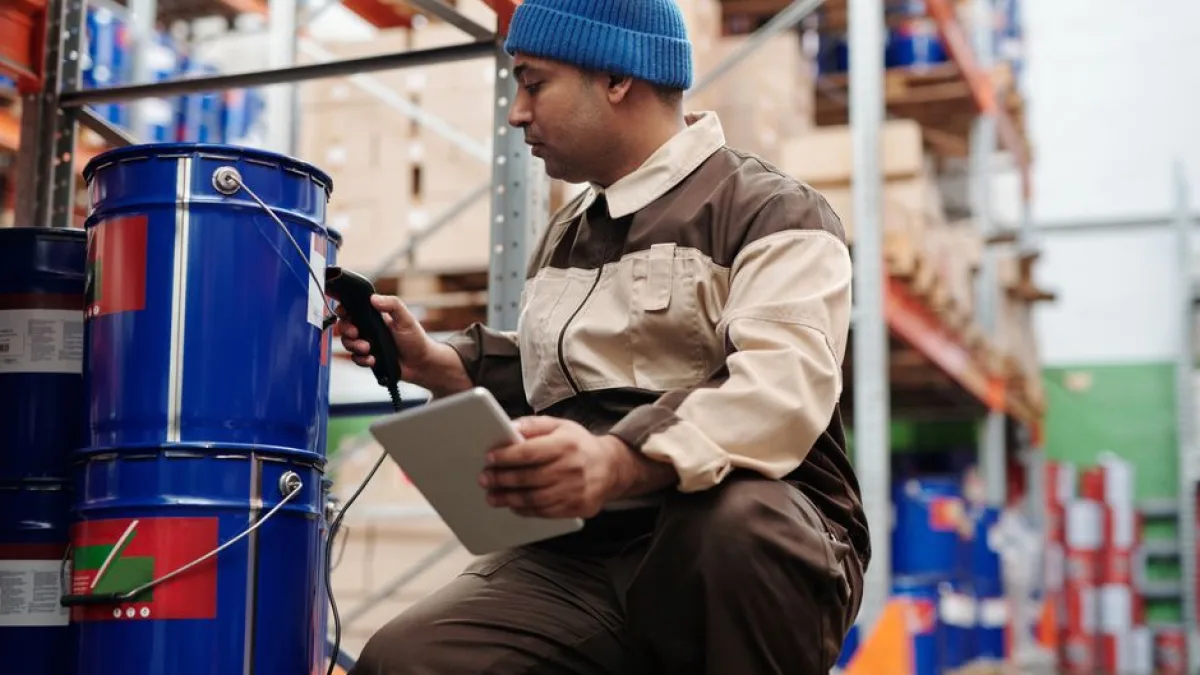
Integrating warehouse management systems with freight forwarding software bridges the gap between terminal handling and final delivery. A fully connected ecosystem ensures that inventory levels, storage fees, and handling requirements are communicated instantly between the warehouse team and logistics operators.
- Automated inventory sync: Ensure your freight management system reflects real time stock levels, preventing overbooking and allowing for better planning of upcoming storage and distribution requirements for clients.
- Improved storage transparency: Clients can view their inventory status and storage duration online, providing them with better financial control over their warehousing and logistics investment costs.
- Optimized load planning: Integrate warehouse packing data with transportation software to calculate the most efficient load patterns, maximizing container space utilization and reducing total shipping expenses.
- Seamless order fulfillment: Link your warehouse picking lists directly to shipping orders to eliminate delays, ensuring that products move from storage to transport without any unnecessary manual handling.
Optimizing the link between your warehouse and freight forwarding platform drastically improves operational efficiency. By synchronizing these activities, you reduce the time goods spend sitting idle and increase the overall speed of your supply chain. This holistic approach ensures that your operations remain agile, cost effective, and highly responsive to the fluctuating demands of your clients and the broader global market.
Conclusion

Modernizing your freight forwarding operations requires a strategic commitment to integrated technology. By breaking down data silos and embracing automation, you create a scalable foundation that supports long term business growth. Start your digital transformation journey today by evaluating your current bottlenecks and selecting the right cloud tools to optimize your workflow. Efficiency drives profitability and customer loyalty in this evolving global industry.