Digital Transformation in Freight Forwarding: Why Integration Matters
Monday, October 26 2026
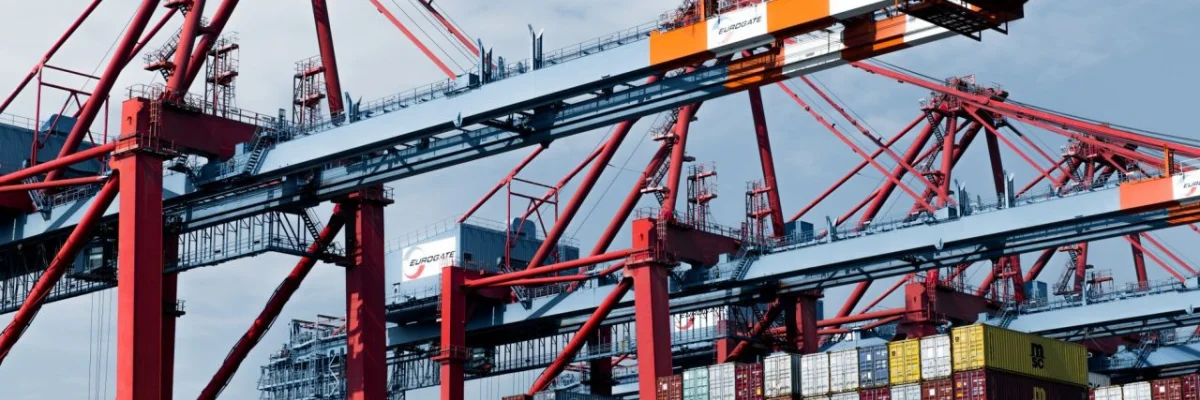
The global freight forwarding industry is undergoing a massive shift as traditional manual processes give way to modern cloud-based ecosystems. Forwarders are now facing immense pressure to provide real-time visibility, faster documentation, and seamless communication across complex supply chains. Relying on disconnected legacy systems leads to data silos that hinder growth and frustrate clients who demand instant updates. By adopting integrated technology, freight forwarders can automate repetitive tasks, reduce human error, and gain a competitive edge in an increasingly digital marketplace. Embracing this technological evolution is no longer just an optional improvement but a necessity for surviving and thriving in today's global economy.
Centralizing Data Management

Data fragmentation remains a primary obstacle for logistics providers trying to scale their operations effectively. A centralized digital platform acts as a single source of truth, ensuring that every team member accesses identical information regarding bookings, shipments, and financial transactions simultaneously.
- Improved data accuracy: Integrated systems eliminate the need for manual re-entry of shipping data, which significantly reduces the risk of costly mistakes during the complex documentation and customs clearance processes.
- Real-time visibility: Centralized platforms provide live tracking updates across all modes of transport, allowing your team to offer precise status reports to clients without searching through emails.
- Enhanced team collaboration: When all staff members access the same cloud database, communication improves because everyone stays aligned on shipment priorities, delivery timelines, and critical customs requirement updates.
- Operational efficiency gains: Consolidating various tools into one software suite minimizes the time spent switching between multiple applications, allowing your team to focus on high-value client relationship tasks.
By bringing disparate data points into one coherent dashboard, companies gain unprecedented clarity over their operations. This transparency empowers managers to identify bottlenecks before they impact the bottom line. As information flows seamlessly across departments, the organization becomes more agile, enabling faster decision making. Ultimately, this structural change removes operational friction, allowing businesses to handle higher shipment volumes without a proportional increase in administrative overhead costs.
Streamlining Documentation Workflows

The manual handling of bills of lading, commercial invoices, and packing lists often creates significant delays in the supply chain. Modern software automates the generation and verification of these documents, transforming paper-heavy tasks into streamlined digital workflows that save valuable time.
- Automated document creation: Intelligent software generates standardized shipping documents automatically using previously stored client data, which drastically cuts down the time spent on repetitive administrative data entry tasks.
- Cloud document storage: Securely storing all shipment files in the cloud ensures that documentation is accessible from any location, facilitating remote work and easier audits for compliance.
- Instant document sharing: Digital integration allows freight forwarders to share completed invoices and shipping labels with agents, carriers, and shippers instantly, accelerating the entire logistics cycle significantly.
- Error reduction measures: Built-in validation checks flag missing fields or data inconsistencies before documents are submitted, preventing expensive delays caused by customs rejection or incorrect shipment information entries.
Transitioning from paper-based systems to digital documentation creates a more professional client experience while reducing physical clutter in the office. Staff members no longer waste hours searching through filing cabinets or digging through chaotic email chains for specific records. This digital shift ensures that compliance standards are met consistently, lowering the risk of penalties while improving the speed at which goods move globally.
Optimizing Carrier Connectivity
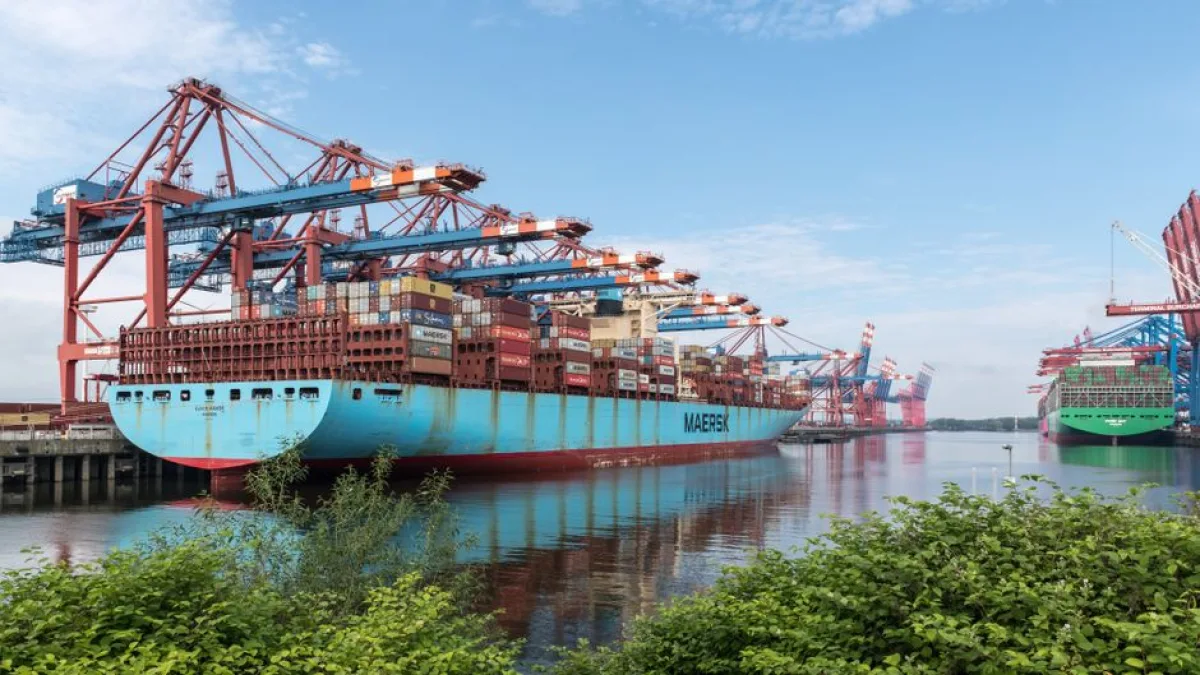
Connecting directly with carriers through application programming interfaces is the gold standard for modern freight forwarding. This deep integration allows for immediate booking confirmations and automated status updates, removing the need for manual phone calls or checking external carrier websites for information.
- Direct booking integration: Seamless API connections enable forwarders to transmit booking requests directly to carrier systems, ensuring faster space confirmation and reducing the chances of missed booking windows.
- Live status synchronization: Automatic data feeds update your platform with exact carrier tracking milestones, ensuring that your customers receive reliable information regarding the location of their freight.
- Dynamic rate retrieval: Integration allows you to pull live carrier pricing instantly, helping your team provide accurate quotes to customers based on real-time market fluctuations and availability.
- Improved partner relationships: Sharing structured data with carrier partners fosters trust and reliability, as both parties benefit from cleaner communication and a standardized digital exchange of logistics data.
When freight forwarders move away from manual data entry and embrace API-driven connectivity, they transform their role in the supply chain. This approach fosters a more responsive service model that customers expect in a modern digital era. By automating the communication layer between your system and the carriers, you gain a reliable foundation that supports scaling your business without sacrificing quality of service.
Scaling Through Cloud Infrastructure

Cloud infrastructure provides the flexibility required for forwarders to expand their geographic reach and service offerings without investing in expensive local servers. This scalable foundation ensures that your software grows alongside your business requirements, providing stability even during peak seasonal shipment periods.
- Flexible resource scaling: Cloud-based platforms allow you to increase system capacity quickly during busy seasons, ensuring your software remains fast and reliable even when shipment volumes spike.
- Reduced hardware costs: Eliminating the need for on-site server maintenance lowers capital expenditure, allowing companies to redirect their budget toward growth initiatives and innovative customer service programs.
- Enhanced system security: Leading cloud providers implement high-level encryption and regular security updates, which are often more robust than what small to medium businesses can manage internally.
- Global accessibility features: The cloud model ensures that your team stays connected to the business from anywhere in the world, enabling better support for global operations and remote staff.
Adopting a cloud-first strategy prepares freight forwarders for future industry challenges by offering a platform that evolves with technological trends. This agility allows companies to integrate new features quickly and adapt to changing regulatory environments with minimal disruption. By leveraging the power of the cloud, forwarders create a resilient business model that is ready to tackle the complexities of international trade at scale.
Conclusion

Modernizing your freight forwarding operation is essential for long-term survival in a digital-first logistics world. By focusing on centralizing data, automating documents, connecting to carriers, and utilizing the cloud, you position your company to meet modern demands. Embrace these technological shifts today to boost efficiency and deliver superior value. Contact MakeCargo to see how our platform transforms your daily logistics workflow.