Digital Transformation in Freight Forwarding: Leveraging Modern Tech Integrations
Sunday, August 2 2026
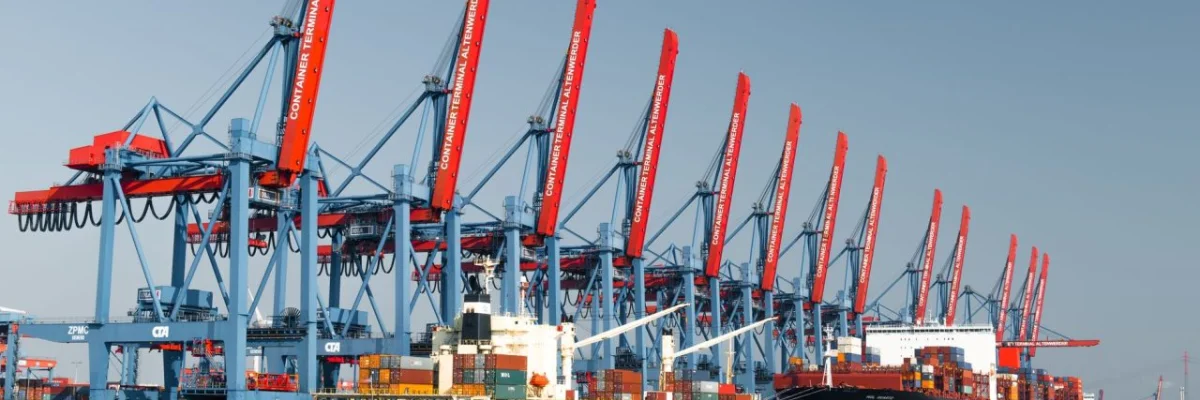
The global logistics landscape is undergoing a massive shift as freight forwarders move away from manual spreadsheets toward integrated digital platforms. As supply chain complexities increase, the ability to centralize data becomes the primary competitive advantage for modern logistics companies. By adopting cloud-native software like MakeCargo, forwarders can synchronize operations, reduce human error, and provide clients with real-time visibility. This evolution is no longer just an optional upgrade for early adopters but a mandatory requirement for businesses looking to scale efficiently. Embracing modern technology ensures your agency remains agile, resilient, and ready to tackle the demands of international trade today.
Optimizing Data Flow
Digital connectivity serves as the backbone of efficient logistics, allowing disparate systems to communicate without manual data entry. By leveraging seamless API integrations, your platform automatically captures essential shipment details, ensuring that information remains consistent and accurate across every single department.
- Seamless API Connectivity: Modern software platforms provide robust API endpoints that link your existing carrier portals and customs databases to ensure data flows without interruption or duplicate entry efforts.
- Automated Data Validation: Intelligent verification tools cross-reference shipping documents against established compliance rules to prevent common errors that lead to costly delays and unnecessary administrative rework sessions.
- Unified Dashboard View: Centralizing your operational metrics into one visual dashboard enables managers to monitor cargo status while identifying potential bottlenecks before they impact your overall service delivery.
- Error Reduction Protocols: Automated workflows replace manual typing processes to drastically lower the risk of input mistakes that frequently compromise the integrity of complex international trade documents.
- Real Time Sync: Immediate synchronization between cloud systems ensures that every stakeholder has access to the most recent updates regarding cargo location and expected arrival timeframes.
Transforming your operational framework requires moving beyond isolated systems that hinder growth. By integrating your core software, you create a singular source of truth that empowers your team to make informed decisions based on accurate data. This shift minimizes the time spent on administrative tasks, allowing your staff to focus on high-value client relationships and long-term strategic growth goals for your company.
Enhancing Shipment Visibility
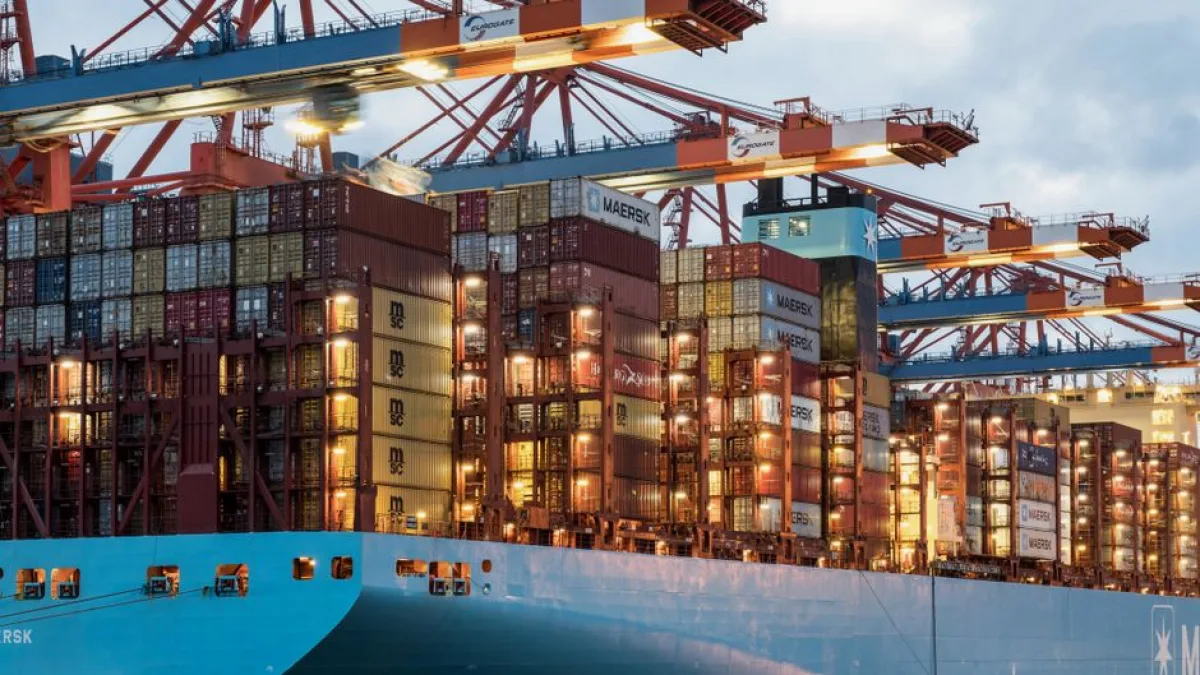
Customers today demand full transparency throughout the entire life cycle of their shipments. Advanced tracking integrations provide granular visibility into every milestone, ensuring that you can keep clients informed while proactively managing expectations during transit or unexpected port disruptions.
- Live Tracking Updates: Integration with global tracking networks provides automatic status notifications that keep your customers updated on their cargo location from origin to the final destination point.
- Proactive Exception Management: Automated alerts notify your operations team about potential delays or port congestion issues, enabling you to take corrective action before a problem escalates further.
- Custom Client Portals: Providing your customers with access to a branded portal fosters trust by allowing them to view document history and current shipping status independently.
- Instant Status Reports: Generate comprehensive progress reports in seconds to satisfy audit requirements and enhance the professional image of your logistics agency toward your diverse clients.
- Carrier Network Integration: Connecting directly with major ocean and air carriers ensures that your tracking data is always reliable and reflects the actual movement of goods.
Visibility is the foundation of customer satisfaction in a fast-paced market. When you offer clear insights into the shipping process, you reduce the volume of inbound status inquiries and build long-term loyalty with your clients. Using a platform that prioritizes transparent data allows your team to manage client expectations with confidence, ultimately strengthening your reputation as a reliable and professional freight forwarding partner.
Automating Financial Workflows

Managing billing and accounting manually is a significant drain on resources for many freight forwarders. Modern software integrations streamline the financial lifecycle, from initial quote generation to final invoicing and collection, reducing the time from job completion to revenue recognition.
- Automated Invoice Creation: Generate accurate invoices instantly once a shipment is completed, pulling data directly from your operational records to avoid manual calculation errors during billing cycles.
- Global Currency Support: Built-in exchange rate tools allow your financial department to process payments in multiple currencies while maintaining accurate ledger records for your internal accounting.
- Accounting System Sync: Direct links to popular accounting software packages ensure that your financial reports stay updated without the need for periodic manual data imports or reconciliations.
- Quote to Cash: Accelerate your cash flow by connecting your quoting module to your invoicing system, creating a cohesive financial loop that improves overall operational liquidity levels.
- Automated Payment Reminders: Systematic alerts help your team manage accounts receivable by automatically sending polite notifications to clients regarding upcoming or overdue payment invoices for services rendered.
Financial automation is vital for maintaining healthy cash flow and minimizing the overhead costs associated with administrative accounting. By integrating your operational data with your financial records, you eliminate the friction that often occurs when billing and shipping departments operate separately. This unified approach not only saves time but also improves financial accuracy and ensures your business maintains its competitive edge.
Ensuring Regulatory Compliance

Navigating the complex world of international customs regulations is a major challenge for any forwarder. Digital integration with government agencies and trade compliance databases simplifies the filing process, helping to ensure that your documents meet all international standards and legal requirements.
- Automated Customs Filings: Send compliant shipping data directly to local customs authorities via secure channels to expedite the clearance process and reduce the risk of border holds.
- Compliance Database Integration: Automatically check your shipments against international restricted party lists and trade embargo databases to protect your company from unintentional legal or financial penalties.
- Digital Documentation Storage: Keep all mandatory shipping records in a secure cloud environment that is easily searchable for future audits or specific customs verification requests today.
- Standardized Document Templates: Access a library of pre-formatted customs documents that adjust automatically based on destination country requirements to ensure total adherence to regional import-export laws.
- Compliance Audit Trails: Maintain a detailed digital history of every action taken on a file, providing clear evidence of due diligence if an official audit is conducted.
Maintaining rigorous compliance is essential to avoid costly fines and protect your business reputation. By integrating digital tools that handle document standardization and regulatory checks, you remove the guesswork from international shipping procedures. This systematic approach guarantees that your firm remains fully compliant while delivering fast, reliable service, effectively shielding your operations from the risks associated with non-compliant trade and border activities.
Conclusion

Adopting advanced technology and system integrations is the most effective way to modernize your freight forwarding business. By centralizing data and automating manual processes, you create a platform for long-term growth and superior customer service. Start evaluating your current software stack today to identify where integrations can provide the most value for your team and your clients alike.