Digital Transformation in Freight Forwarding: Leveraging Modern Tech Integrations
Tuesday, August 25 2026

The global logistics landscape is undergoing a massive shift as freight forwarders move away from legacy systems to embrace digital connectivity. Relying on spreadsheets and manual data entry is no longer sustainable in a market that demands real-time transparency and rapid communication. By adopting a cloud-based software platform, forwarders can break down information silos and create a unified workflow that connects carriers, shippers, and internal teams seamlessly. Modern technology empowers forwarders to optimize their supply chains, reduce costly administrative errors, and ultimately provide a superior customer experience that builds long-term loyalty in a highly competitive and fast-moving industry.
Real-Time Data Visibility
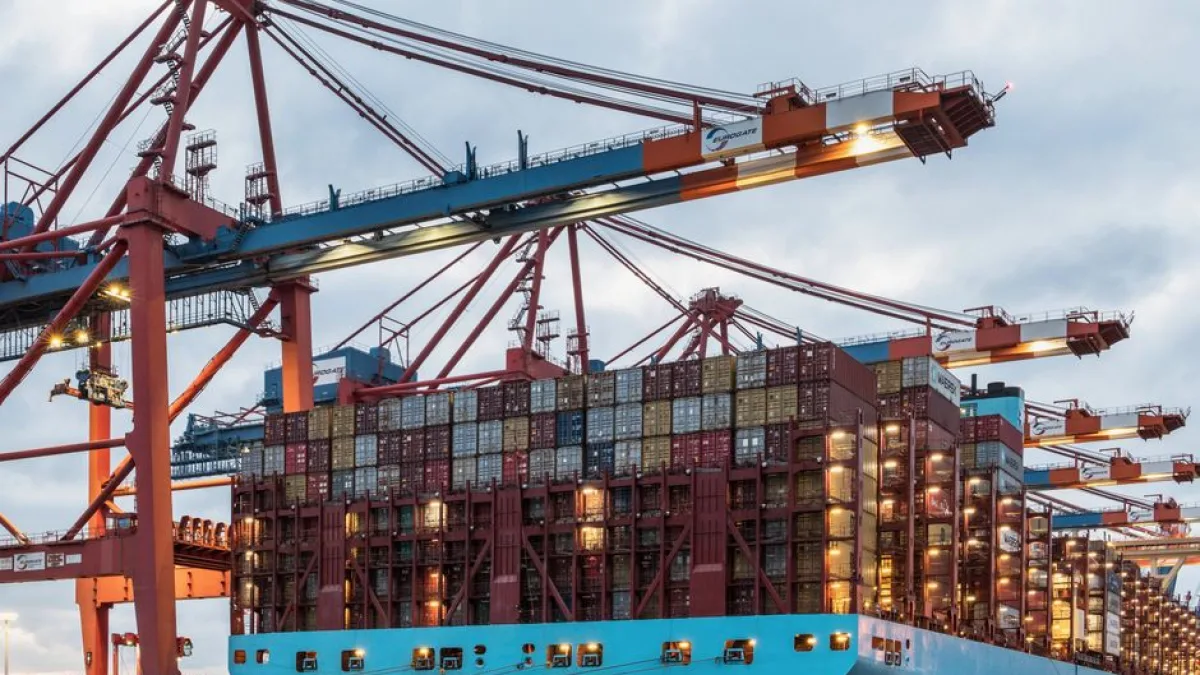
Achieving total visibility across the supply chain requires robust data integration tools. When information flows automatically from port terminals to your dashboard, you can make informed decisions quickly. This level of transparency keeps clients happy and reduces unnecessary follow-up inquiries daily.
- Live Status Updates: Automatic tracking feeds provide instant notifications to customers regarding shipment milestones. This eliminates manual status checks and saves your operations team significant time throughout the work day.
- Centralized Documentation Storage: Storing digital bills of lading and invoices in a central repository ensures that every team member accesses the most accurate and up to date shipment paperwork.
- API Carrier Connections: Direct integration with major ocean and air carriers allows for seamless data synchronization between your platform and the global transportation networks you utilize frequently.
- Proactive Issue Resolution: Advanced analytics tools detect potential delays before they escalate. This allows forwarders to suggest alternative routing options to clients before the cargo is ever compromised.
Digital visibility transforms how your agency interacts with partners and customers alike. By ensuring that every party has access to the same high-quality data, you eliminate the confusion often associated with manual record keeping. This professional approach to information management not only fosters trust with your shipping partners but also positions your company as a leader in the modern and data driven logistics landscape.
Seamless Platform Scalability

Growing a freight forwarding business requires infrastructure that adapts to changing volume demands. Cloud-based platforms offer the agility to scale your operations up or down without heavy hardware investments. This flexibility ensures your team remains productive during seasonal shipping surges.
- Elastic Cloud Infrastructure: Your software environment expands automatically to handle increased transactional loads. This ensures consistent performance during peak seasons without requiring any manual server maintenance or complex upgrades.
- Custom Module Selection: Select specific features that align with your unique service offerings. Adding new modules as your business grows ensures you never pay for unnecessary tools that bloat.
- Remote Access Capabilities: Cloud architecture allows your staff to manage shipments from any location globally. This mobility is essential for teams working across different time zones and regional offices.
- Automated Version Updates: Receive new features and security enhancements without downtime. Your software stays current with the latest industry regulations and technological trends through regular background cloud updates.
Scalability serves as the backbone of your long-term success. By utilizing a flexible software architecture, you ensure that your technological foundation is strong enough to support expansion into new markets. Focus your energy on winning new clients and managing complex global routes while your platform handles the heavy lifting of resource management and keeps your operations running smoothly around the clock.
Automated Financial Workflows

Manual accounting processes often lead to human error and delayed payments in freight forwarding. Integrating financial modules within your management software ensures that invoices are generated accurately and tracked efficiently. Automating these repetitive tasks frees your staff for strategic growth.
- Instant Invoice Generation: Automatically create detailed invoices based on actual shipment costs and agreed rates. This speeds up the billing process and significantly improves your agency cash flow cycle.
- Currency Conversion Automation: Integrated financial tools handle complex exchange rates for international shipments. This ensures that all financial reports remain accurate regardless of the currencies used in trade.
- Payment Gateway Integration: Enable clients to settle balances securely through digital portals. Offering diverse payment options simplifies the collection process and encourages faster settlement of outstanding professional service invoices.
- Audit Ready Reporting: Generate comprehensive financial summaries that comply with international accounting standards. Accurate record keeping makes tax preparation and annual audits a stress-free experience for your firm.
Financial automation is critical for maintaining healthy profit margins in a low-margin industry. By removing the burden of manual data entry from your accounting team, you drastically reduce the potential for expensive billing discrepancies. Invest in systems that provide a clear view of your financial health while maintaining high levels of accuracy, allowing your business to remain profitable and competitive at all times.
Enhanced Client Collaboration

Providing clients with a dedicated portal changes the dynamic of your partnership. Instead of endless email threads, your clients can interact with a self-service dashboard to track, book, and review their shipments. This convenience is a powerful differentiator for forwarders.
- Secure Client Portal: Provide a dedicated environment where your shippers can access their documents. This transparency builds confidence and reduces the number of administrative requests sent to staff.
- Communication Centralization: Link all shipment notes directly to the specific cargo file. This ensures that context is never lost and team members remain aligned on project requirements.
- Customized Reporting Tools: Allow clients to download bespoke performance reports regarding their trade activity. Providing this data empowers them to analyze their own supply chain efficiencies using your platform.
- Instant Quote Requests: Enable customers to submit rate inquiries through the platform quickly. Streamlining the quoting process helps you respond faster and secures more bookings than traditional methods.
Client collaboration represents the future of relationship management in logistics. When you equip your customers with self-service tools, you save time while providing a premium user experience that justifies your service fees. Keep your clients informed and satisfied by offering them a digital window into your operations, ensuring that your firm remains their primary choice for all their global freight forwarding requirements.
Conclusion

Adopting modern technology is no longer optional for freight forwarders aiming to stay relevant. By integrating data visibility, scalable infrastructure, financial automation, and client collaboration tools, you create a robust ecosystem that drives efficiency. Start your digital transformation journey today by evaluating your current workflows and identifying areas for improvement. Contact our team to learn how MakeCargo can help elevate your freight operations today.