Digital Transformation in Freight Forwarding: Leveraging Modern Tech Integrations
Wednesday, September 2 2026

The global logistics landscape is undergoing a massive shift as freight forwarders move away from manual processing toward cloud-based ecosystems. In an era where supply chain transparency is a baseline requirement, technology acts as the bridge between fragmented operational silos and unified visibility. Modern platforms empower teams to automate tedious tasks, reduce human error, and deliver superior customer experiences through real-time data sharing. By embracing scalable software solutions, forwarders can optimize their workflows, improve internal communication, and maintain a competitive advantage in a volatile market. Adopting these advanced digital integrations is no longer optional but essential for long-term growth and success.
Optimizing Logistics Workflow Efficiency

Digital dashboards represent the heart of a modern forwarder, consolidating complex data points into actionable insights that drive decision making. By centralizing operations, teams eliminate data silos and ensure that every stakeholder accesses a single source of truth for all shipments.
- Automated Data Entry: Cloud platforms utilize optical character recognition to extract key shipment details, which drastically reduces manual typing time and mitigates the risk of costly administrative input errors.
- Centralized Shipment Tracking: Integrating carrier APIs allows your team to monitor vessel movements in real time, providing accurate status updates to clients without needing to manually refresh different portals.
- Streamlined Document Management: Digital storage solutions organize bills of lading, commercial invoices, and packing lists in a secure cloud environment for instant retrieval during customs and compliance audits.
- Resource Allocation Tools: Intelligent software modules distribute workloads evenly across your logistics team, ensuring that high priority tasks receive immediate attention while balancing individual staff capacity throughout the day.
- Collaborative Operational Hubs: Cloud-based environments allow internal departments and external partners to comment and share files on specific files, fostering seamless communication during complex international freight movements.
By streamlining your daily workflow, your team gains back valuable hours previously spent chasing down updates or fixing manual mistakes. This efficiency translates directly into lower overhead costs and higher service levels for your demanding customer base. Implementing these tools is the first step toward building a scalable business model that can handle higher transaction volumes without needing a proportional increase in administrative staff headcount.
Real Time Visibility for Stakeholders
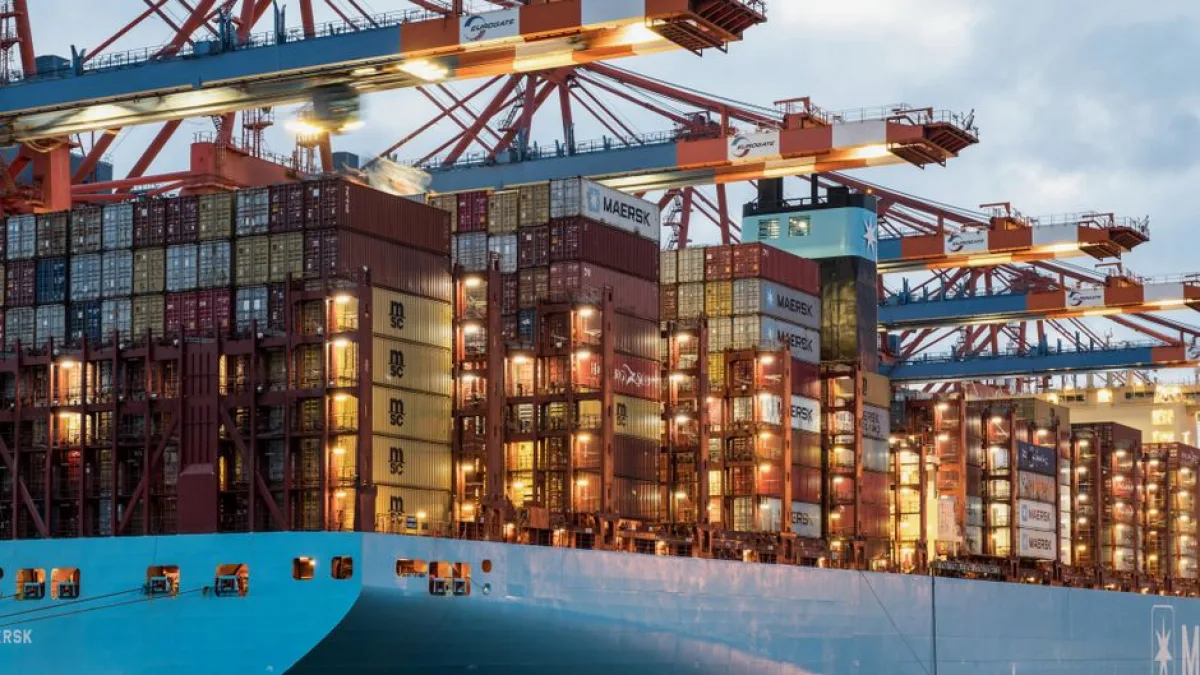
Providing customers with live status updates is now the gold standard of freight forwarding. Integrated tracking tools allow your clients to view the location of their goods from departure to final delivery, building deeper trust and brand loyalty.
- Live Shipment Maps: Modern interfaces provide interactive maps that display exact vessel locations, helping clients plan their supply chain strategies based on accurate arrival estimates for their cargo.
- Automated Email Notifications: Configure proactive alerts that notify clients whenever a shipment reaches a major milestone, effectively reducing the volume of inbound status inquiries your team handles.
- Transparency Portals: Dedicated customer portals allow shippers to log in securely, view their shipment history, and download necessary documents without waiting for an email from your team.
- Risk Management Alerts: Integrated systems can flag potential delays such as port congestion or severe weather, allowing you to notify clients early and offer proactive contingency plans.
- Performance Analytics: Share customized reports with your top clients regarding their historical transit times and carrier reliability, positioning your firm as a strategic partner rather than just.
When you offer superior visibility, you transform the client relationship from a reactive service arrangement into a proactive partnership. Clients value the transparency, which simplifies their own internal planning and reduces their stress during complex shipping cycles. By investing in these integrations, you distinguish your brand from smaller competitors who still rely on outdated tracking methods and periodic, manual email updates.
Scalability Through Cloud Connectivity

Cloud infrastructure provides the foundation for freight forwarders to expand their operations globally. By leveraging flexible software, your business can scale features and user seats as your volume grows, ensuring your technology stack never limits your growth potential.
- Seamless API Integrations: Connect your internal software to third party customs brokerage platforms or accounting systems, ensuring that financial and operational data flows seamlessly between all departments.
- Multi-User Accessibility: Enable team members to work from anywhere in the world by using secure cloud logins, which is perfect for managing 24-hour operations in different time zones.
- Predictable Subscription Costs: Shift away from expensive hardware maintenance by choosing software-as-a-service models, which provide regular updates and security patches as part of your monthly platform fee.
- Scalable Database Architectures: Modern cloud databases grow with your business, allowing you to store massive amounts of historical shipping data for long-term trend analysis and operational improvement.
- Rapid System Deployment: New offices or remote staff members can access the full suite of operational tools within minutes of onboarding, facilitating faster expansion into new international markets.
Building a business on cloud connectivity removes the traditional barriers of physical office infrastructure and legacy server maintenance. You gain the freedom to hire talent globally and operate your logistics chain with incredible agility. As your transaction volume surges, your underlying software infrastructure remains robust, allowing you to focus on high-value business development rather than worrying about server uptime or manual backup procedures.
Future Proofing Your Operations

The logistics industry evolves rapidly, and future-proofing is about preparing your business for upcoming shifts in technology. By choosing modular platforms today, you ensure your company remains agile enough to integrate emerging tools like artificial intelligence and blockchain-based documentation.
- Modular Software Design: Select platforms that offer plug-and-play modules, allowing you to add specialized capabilities like warehouse management or automated freight auditing exactly when your business needs them.
- AI-Driven Forecasting: Modern software uses historical data to predict future transit times and identify potential bottlenecks, helping you make informed decisions before problems actually impact your cargo.
- Regulatory Compliance Updates: Cloud providers automatically update their systems to align with new international shipping regulations, keeping your documentation compliant without requiring you to manually reconfigure processes.
- Enhanced Cyber Security: Top-tier cloud platforms invest heavily in encryption and multi-factor authentication, protecting your company and your client sensitive data from increasingly sophisticated digital security threats.
- Interoperable Data Standards: Ensure your technology stack supports industry-standard data exchange formats, which guarantees you can integrate with new carriers and vendors as the industry ecosystem evolves.
Investing in future-proof technology creates a sustainable competitive advantage that defends your market share against disruption. By staying ahead of the curve, you ensure that your firm is always prepared to leverage the latest industry innovations. This strategic approach to technology adoption allows you to navigate the changing tides of global trade with confidence, stability, and a clear vision for long-term growth.
Conclusion

Embracing digital transformation is a strategic necessity for forwarders aiming to survive and thrive. By prioritizing visibility, cloud scalability, and workflow automation, your firm can elevate service standards while reducing operational costs. Focus on choosing flexible, integrated platforms that allow your business to adapt to market fluctuations. Building this tech-driven foundation today ensures your long-term relevance and success in the rapidly evolving logistics market.