Digital Transformation in Freight Forwarding: Leveraging Modern Software Integrations
Sunday, September 6 2026
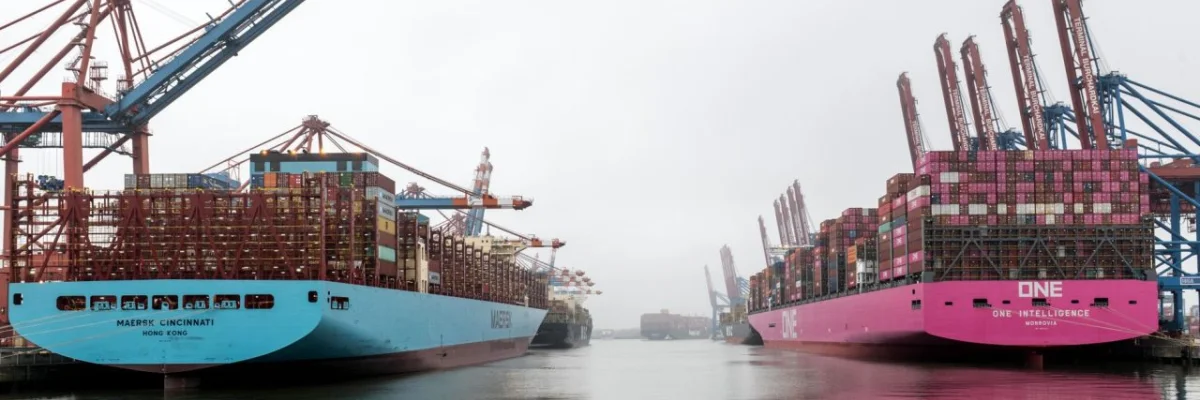
The global logistics landscape is undergoing a massive shift as freight forwarders move away from manual processing toward highly automated digital ecosystems. Traditional methods of managing shipments via spreadsheets and scattered emails are increasingly proving inadequate in a fast-paced market that demands real-time data transparency and rapid response times. By embracing integrated cloud-based software, forwarders can connect their core operations with carriers, customs authorities, and clients seamlessly. This transition is not merely about digitizing paper documents but about creating a robust, unified platform that powers smarter decision-making, reduces operational silos, and ultimately drives superior value for every stakeholder involved in the global supply chain.
The Power of Centralized Data

Centralizing your logistics data provides a single source of truth for your entire team. When fragmented systems communicate effectively, operational clarity increases and human errors caused by manual data entry vanish, ensuring that every shipment detail remains accurate and accessible everywhere.
- Eliminate Data Silos: Connecting disparate departments allows for a holistic view of your operations, enabling teams to access shipment statuses, client information, and carrier communications from one unified digital interface.
- Improve Data Accuracy: Automated synchronization between platforms ensures that information is consistent across all systems, drastically reducing the risk of costly mistakes that lead to shipment delays or penalties.
- Enhance Team Collaboration: Real-time information sharing breaks down communication barriers, ensuring that your sales, operations, and accounting departments are aligned on the status of every single cargo movement.
- Optimize Decision Making: Having instant access to comprehensive data sets enables management to identify bottlenecks quickly, analyze performance trends, and make informed decisions that improve overall supply chain efficiency.
By shifting to a centralized data model, your company gains the agility required to survive in modern freight forwarding. Teams spend less time chasing information across emails and more time focusing on high-value client needs. This transition fosters a culture of reliability and professionalism, making your business more competitive while building trust with partners who expect modern, responsive, and data-driven logistical services daily.
API Integration and Connectivity

Application Programming Interfaces act as the digital bridge between your freight software and external shipping partners. These connections allow for instant data exchange, replacing slow manual updates with lightning-fast information flows that keep your operations running ahead of schedule.
- Real-time Carrier Updates: Establishing direct connections with carrier systems allows you to receive instant updates on container locations, arrivals, and departures without manually checking various external shipping portal websites.
- Seamless Customs Filing: Automated links to customs authorities streamline the documentation process, ensuring that declarations are submitted instantly to avoid unnecessary port storage fees or potential clearance holdups.
- Instant Rate Retrieval: Integrated pricing modules pull live market rates from multiple carriers into your dashboard, allowing your team to compare costs and book the best options within seconds.
- Automated Tracking Notifications: Proactive alerts generated through API calls keep your clients informed at every stage, significantly reducing the volume of inbound inquiries regarding shipment status and estimated arrival times.
Leveraging API technology creates a frictionless operational environment where data travels automatically. By removing the need for manual inputs, your staff can focus on proactive problem solving rather than reactive status hunting. This level of technical maturity distinguishes industry leaders from those still clinging to legacy workflows. Investing in these connections is essential for scaling your forwarding business in a truly globalized market.
Scalability Through Cloud Infrastructure

Cloud-based platforms provide the flexible foundation required to scale your forwarding business as demand fluctuates. Unlike on-premise hardware that requires constant maintenance, cloud infrastructure grows with your company, offering limitless storage and computing power without the high capital expenditure.
- Flexible Resource Allocation: Cloud systems allow you to scale your operational capacity instantly during peak shipping seasons, ensuring your software performance remains stable even during high transaction volumes.
- Global Accessibility Anywhere: Team members can access critical shipment data from any location, facilitating remote work arrangements that help attract top talent regardless of where they are currently based.
- Robust Data Security: Enterprise-grade encryption and automated cloud backups protect your sensitive client data against cyber threats, ensuring compliance with international logistics and data privacy regulations at all times.
- Lower Overhead Costs: Eliminating physical servers reduces electricity, cooling, and maintenance expenses, allowing you to reinvest capital into customer acquisition or other critical areas of your freight forwarding business.
Cloud adoption is the cornerstone of modern business resilience and sustainable growth. By moving your infrastructure to the cloud, you ensure that your team stays connected to the pulse of your logistics operations from any device in any time zone. This flexibility is vital for maintaining high service standards while your business expands across international borders and handles increasingly complex supply chain requirements.
Future-Proofing Your Operations

Continuous integration of emerging technologies ensures that your freight forwarding platform remains relevant amidst changing market conditions. Forward-thinking companies use these tools to anticipate disruptions, optimize routes, and provide a premium experience that sets them apart from the competition today.
- Predictive Analytics Capability: Utilizing machine learning models helps your company forecast potential delays before they happen, allowing for proactive adjustments that maintain your service quality during unexpected market volatility.
- Automated Documentation Flows: Smart software can automatically generate and populate essential shipping documents, drastically reducing the administrative burden on your staff while ensuring perfect compliance with international regulations.
- Customized Client Portals: Providing branded portals gives your clients autonomous control over their own shipping data, which enhances transparency and positions your firm as a modern, technology-focused logistics partner.
- Ecosystem Expansion Potential: Choosing modular software allows you to add new features or partner with third-party logistics apps easily, ensuring your platform evolves alongside your specific organizational needs.
Staying at the forefront of logistical technology requires a commitment to innovation and continuous improvement. By prioritizing digital integrations, you ensure your organization remains resilient against industry shifts and capable of meeting modern client expectations. Future-proofing is not a one-time task but a strategic mindset that allows you to transform every digital interaction into a competitive advantage for your growing freight forwarding enterprise.
Conclusion

Modernizing your freight forwarding operations is no longer optional but a necessity for long-term growth. By prioritizing integration, you create a responsive, efficient, and transparent supply chain that benefits both your team and your clients. Start evaluating your current tech stack today to identify where automation can replace manual effort and position your company as a leader in the global logistics industry.