Digital Transformation in Freight Forwarding: Leveraging Modern Software Integrations
Friday, September 11 2026

The global logistics landscape is undergoing a massive shift as freight forwarders move away from manual processing toward highly automated digital ecosystems. Efficiency is now defined by how seamlessly data flows between disparate systems, from warehouse management platforms to customs clearance tools. As margins tighten and client expectations for real-time visibility skyrocket, forwarders who fail to embrace integration risk falling behind the competition. Adopting a cloud-based approach allows your team to centralize critical operations, reduce human error, and unlock new levels of productivity that were previously impossible with legacy spreadsheets and fragmented, siloed communication methods.
Optimizing Workflow Automation
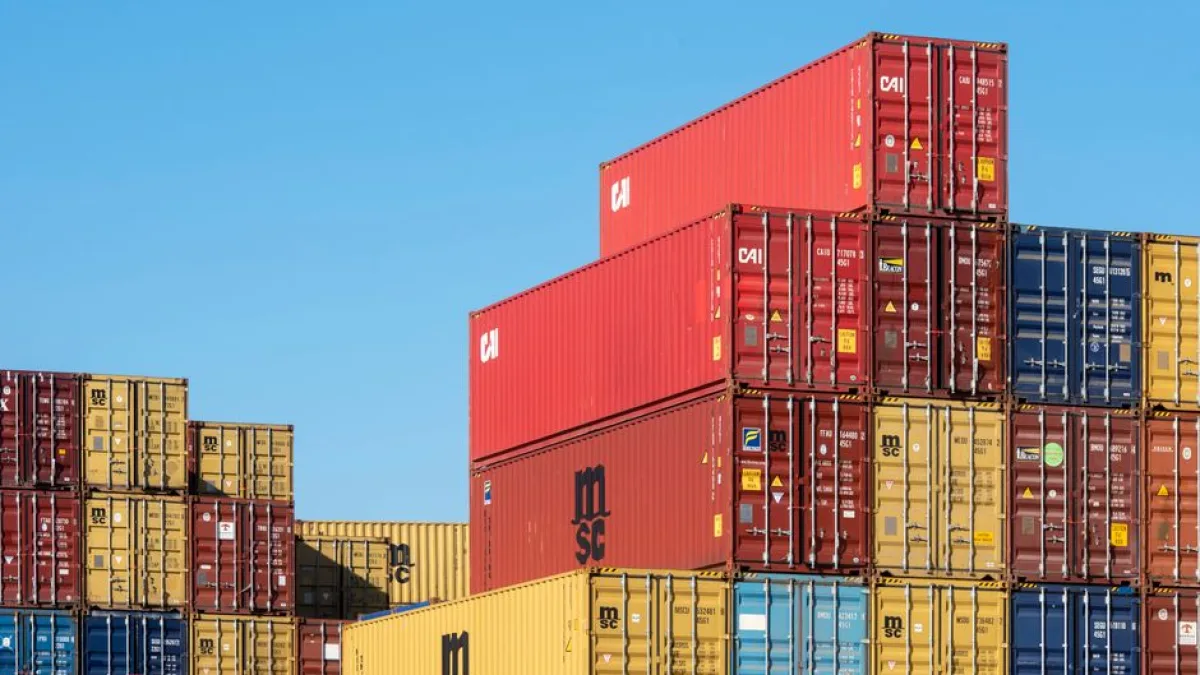
Automating repetitive administrative tasks allows your staff to focus on high-value logistics management rather than mundane data entry. By leveraging smart software integrations, you can remove bottlenecks and ensure that documentation moves through your internal pipeline with minimal manual interference daily.
- Eliminating manual entry: Automatically sync booking details from your client portal directly into your primary operating system to prevent transcription errors and save hours of administrative labor every week.
- Streamlined document flows: Route bills of lading and commercial invoices through automated validation checks to ensure compliance before they ever reach the carrier or the final customer destination.
- Real time syncing: Connect your accounting software to your freight platform to trigger automated invoicing the moment a milestone status update is recorded in the live shipment tracker.
- Exception management alerts: Configure automated notifications that notify your operations team instantly if a shipment deviates from its planned route or hits an unexpected delay at a major hub.
By shifting focus toward automated workflows, your firm gains the agility required to handle volatile market fluctuations. When your systems communicate without human intervention, the time saved accumulates into significant operational capacity. You no longer need to chase status updates through endless email chains, allowing your logistics professionals to provide proactive solutions to clients instead of reacting to data issues after the fact.
Achieving True Shipment Visibility
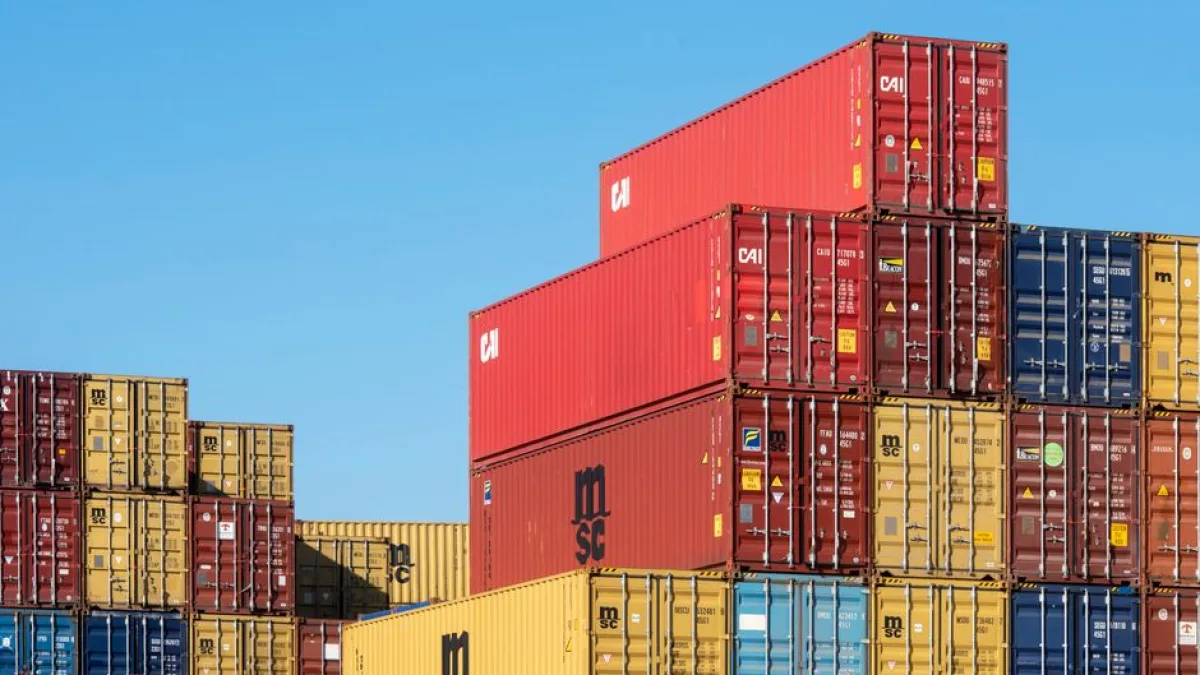
Modern clients demand granular transparency regarding their cargo journey across land, sea, and air. Integrated technology bridges the gap between carrier milestones and your client portal, providing an unbroken chain of custody that fosters long-term trust and repeat business.
- Centralized data tracking: Aggregate fragmented carrier updates into one unified dashboard that gives your team and your customers a single source of truth for every active shipment.
- Predictive arrival insights: Use integrated GPS and AIS data feeds to provide accurate estimated arrival times that account for congestion, weather events, and terminal throughput issues today.
- Proactive client updates: Set up automated triggers that send branded status notifications to your clients, ensuring they feel supported while reducing the volume of inbound status inquiries.
- Third party visibility: Share secure access tokens with warehouse partners or trucking providers to ensure that all parties involved are viewing the same accurate, live shipment data.
Visibility is no longer just a luxury, but a core component of your service offering. When you integrate live tracking directly into your logistics software, you transform how you interact with stakeholders. This transparency helps build lasting relationships with shippers who value accuracy and communication. By offering a high-tech tracking experience, you differentiate your brand in a crowded market of traditional freight forwarders.
Enhancing Financial Control Systems

Financial health depends on the speed of your cash cycle and the accuracy of your billing processes. Integrating your freight management platform with specialized accounting software ensures that margins are protected and financial data remains consistent throughout the entire shipment lifecycle.
- Instant invoice generation: Trigger professional invoices automatically the moment a proof of delivery is confirmed, significantly reducing the gap between shipment completion and your company receiving payment.
- Dynamic cost allocation: Track every hidden carrier fee and auxiliary cost accurately to ensure your profit margins remain intact and all service charges are billed correctly.
- Automated currency conversion: Manage multi-currency transactions with precision by pulling real-time exchange rates into your billing module to prevent revenue loss due to volatile market fluctuations.
- Comprehensive audit trails: Maintain detailed financial logs for every individual shipment that help you stay audit-ready for tax season or potential internal compliance reviews of operations.
Tightening your financial controls is vital for maintaining a healthy bottom line in the logistics industry. When billing errors are eliminated through smart integrations, you minimize disputes and preserve your company reputation. An integrated approach ensures that your operations and finance teams are always aligned, allowing you to focus on scaling your business operations rather than reconciling complex, messy spreadsheets at month end.
Scaling Through API Connectivity

APIs provide the backbone for modern logistics by allowing your software to talk to carriers, customs brokers, and insurers. This interconnectedness allows your freight business to scale operations globally without the traditional overhead costs usually associated with rapid corporate expansion.
- Seamless carrier integration: Connect directly to major shipping lines and airlines through standardized APIs to secure instant spot rates and booking confirmations without leaving your interface.
- Customs clearance automation: Push your digital declaration forms directly into government or customs broker systems to speed up border crossings and avoid costly port storage fees.
- Scalable infrastructure growth: Add new modules or third-party plugins to your core software whenever you need to expand your service offerings into different regions or transit modes.
- Enhanced data security: Utilize encrypted API endpoints to share sensitive shipment information securely with trusted partners, ensuring compliance with global data privacy standards and regulations.
Investing in an API-driven strategy future-proofs your business against the rapid changes in global trade regulations. As your freight forwarding company grows, the ability to quickly integrate new partners will be your biggest competitive advantage. By maintaining a robust, connected tech stack, you ensure that your platform remains a powerful hub of efficiency, capable of handling complex logistics challenges with ease and confidence.
Conclusion

Adopting an integrated software platform is the most effective way to modernize your freight forwarding business. By prioritizing automation, visibility, financial precision, and API connectivity, you create a resilient foundation for sustainable growth. Start auditing your current manual processes today to identify which integrations will provide the highest return on investment. MakeCargo is ready to help you navigate this transition into a digital-first logistics future.