Digital Transformation in Freight Forwarding: Leveraging Modern Tech Integrations
Thursday, September 17 2026

The global logistics landscape is undergoing a massive shift as freight forwarders move away from manual processes toward unified digital ecosystems. For many professionals, the challenge lies not in the desire for innovation, but in the complexity of connecting disparate systems. Cloud-based platforms like MakeCargo are now enabling teams to bridge gaps between internal operations and external carrier networks seamlessly. By adopting robust technology and strategic integrations, forwarders can enhance data transparency, reduce costly administrative errors, and ultimately provide a superior customer experience. Embracing this technological evolution is no longer an optional path but a necessity for staying competitive in today-s fast-moving market.
Automating Data Workflows
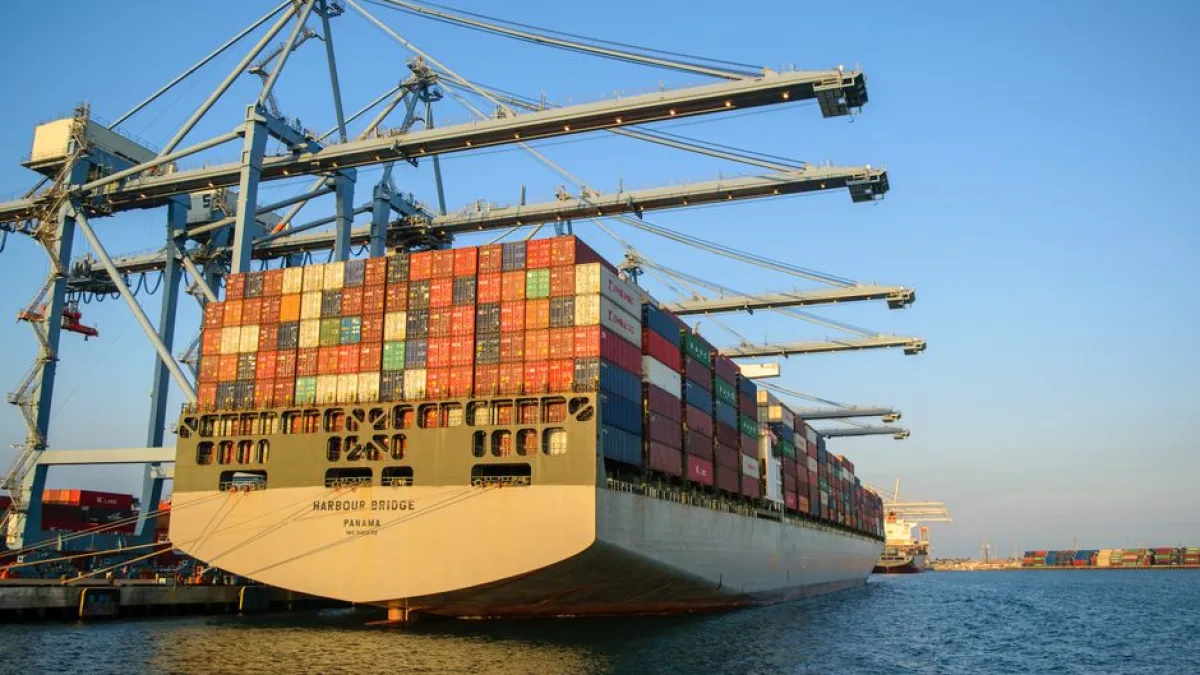
Automated data entry tools remove the burden of manual tasks, allowing your team to focus on high-value logistics challenges. By integrating your management software with customs portals and carrier APIs, you transform raw data into actionable insights for every shipment.
- Seamless API connectivity: Connecting your freight software directly to carrier systems ensures that shipment status updates, pricing, and documentation flow automatically without the need for repetitive manual data entry.
- Eliminating manual errors: Automating the transfer of information between platforms significantly reduces the frequency of human mistakes, ensuring your billing, customs filings, and manifests remain perfectly accurate at all times.
- Real-time data synchronization: Achieving true synchronization across all departments allows your staff to access current shipment data instantly, preventing communication silos and improving overall operational speed for your firm.
- Document process acceleration: Digital tools generate standardized shipping documents automatically, which saves your documentation team hours of work each week and keeps your cargo moving through international borders faster.
By shifting to automated workflows, forwarders can reclaim time previously lost to repetitive administrative drudgery. This transformation allows logistics experts to redirect their energy toward strategic account management and complex problem-solving. When software handles the routine data transfers, the entire operation becomes more resilient to fluctuations, enabling your team to handle higher volumes of freight without needing to increase headcount in the back office.
Optimizing Carrier Communication
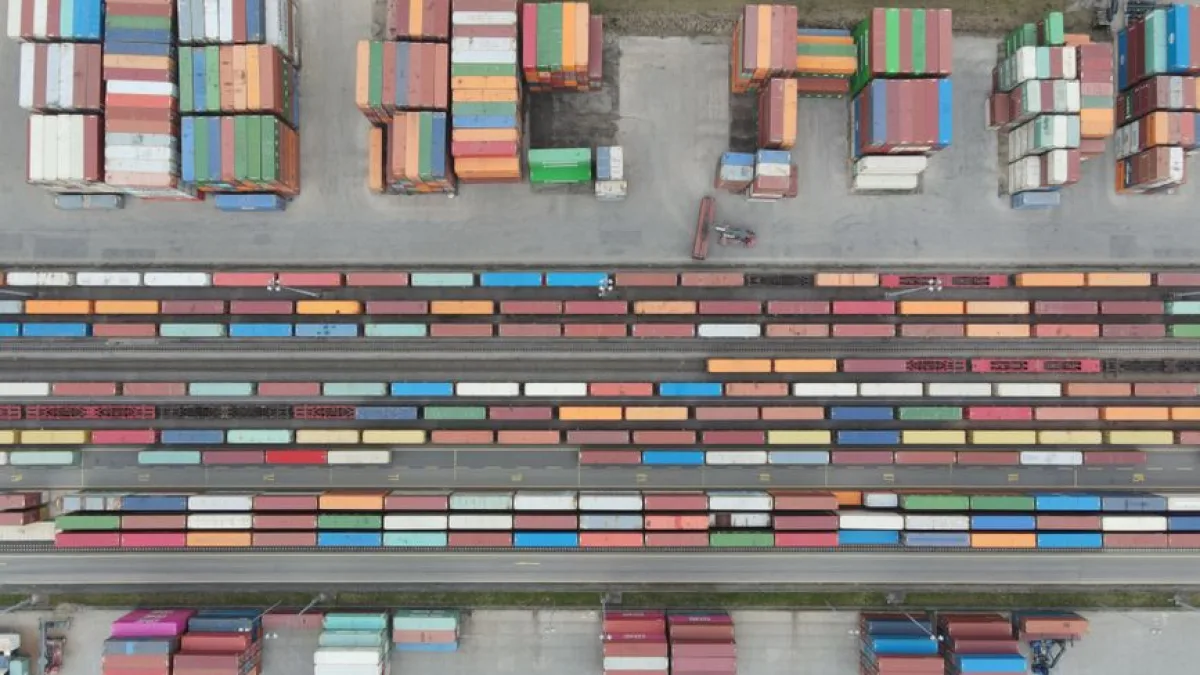
Maintaining clear lines of communication with global carriers is essential for preventing bottlenecks. Modern integrations provide a centralized dashboard where all carrier interactions and status changes are captured in real-time, keeping every stakeholder informed throughout the complex shipping cycle.
- Centralized carrier portal: A unified platform gathers updates from multiple carriers into one view, giving your team complete visibility over global operations without logging into dozens of separate websites.
- Instant status updates: Automated alerts keep your customers updated on the exact location of their goods, which builds trust and reduces the volume of repetitive status inquiry emails.
- Direct messaging channels: Secure, integrated communication tools allow your operations team to resolve exceptions or booking changes quickly by interacting directly with carrier representatives through the primary software platform.
- Carrier performance metrics: Collecting interaction data over time helps you evaluate which carriers offer the best reliability, enabling better decision-making when selecting partners for future high-priority shipments.
Effective communication is the backbone of successful freight forwarding, yet it is often hampered by fragmented email chains and phone calls. By integrating carrier networks into your primary software, you create a single source of truth for every shipment. This visibility empowers your team to act proactively when delays occur, ensuring that your customers remain satisfied even when unexpected challenges arise during the transit.
Enhancing Financial Accuracy

Financial discrepancies in freight forwarding are often the result of disconnected accounting systems and manual invoicing. Integrating your operations platform with your accounting software ensures that every shipping cost, tariff, and surcharge is accurately recorded and billed without delay.
- Automatic invoice generation: Triggering invoices directly from operational milestones ensures that billing occurs as soon as services are completed, which significantly improves your firm-s cash flow and consistency.
- Integrated cost tracking: Real-time logging of vendor costs allows for instant gross profit analysis, giving you the clarity needed to optimize margins on every individual shipment you manage.
- Currency conversion tools: Handling international freight often requires dealing with multiple currencies, and integrated tools automatically apply the correct exchange rates to prevent costly losses during financial reconciliation.
- Simplified audit trails: Comprehensive logs of every financial transaction provide your accounting department with a clear history, making tax compliance and year-end audits a much smoother, less stressful process.
Tightening your financial controls through software integration protects your company from the silent erosion of profit margins. By ensuring that every cost is captured and every invoice is accurate, you build a sustainable foundation for your business growth. Automation allows you to move away from reactive accounting practices and toward a proactive model where financial health is monitored daily through clear, integrated digital dashboards.
Scaling Global Operations

Growth in the freight sector depends on your ability to scale operations without compromising on service quality. Scalable cloud-based platforms offer the flexibility needed to expand into new markets and handle increased cargo volumes through modular technology and seamless partner integrations.
- Modular software architecture: Implementing a scalable system allows your team to add new features, user seats, or region-specific modules as your business expands, ensuring your tech stack keeps pace.
- Regional compliance integration: Utilizing software with built-in compliance modules ensures that your operations remain legal and efficient, even as you begin managing shipments across diverse international regulatory environments.
- Vendor portal access: Extending access to agents and overseas partners through a secure portal creates a truly global workspace where everyone works within the same digital framework.
- Scalable cloud infrastructure: Relying on cloud hosting provides the high availability and security needed to keep your operations running smoothly, regardless of where your team members are located.
Scaling your logistics firm requires a technology partner that anticipates the needs of a growing international business. By leveraging modern cloud tools, you ensure that your operations are not limited by geography or software constraints. A well-integrated system grows with you, providing the agility to enter new trade lanes and the stability to manage larger portfolios of clients with consistent, high-level service quality.
Conclusion

Modernizing your freight forwarding operation through technology is the most effective way to secure a competitive advantage in a complex global market. By focusing on smart integrations, you minimize manual errors, improve financial performance, and provide better experiences for your customers. Start identifying which manual tasks are slowing your team down today, and implement integrated solutions to drive efficiency and long-term business success.