Digital Transformation in Freight Forwarding: Leveraging Modern Tech Integrations
Friday, October 2 2026
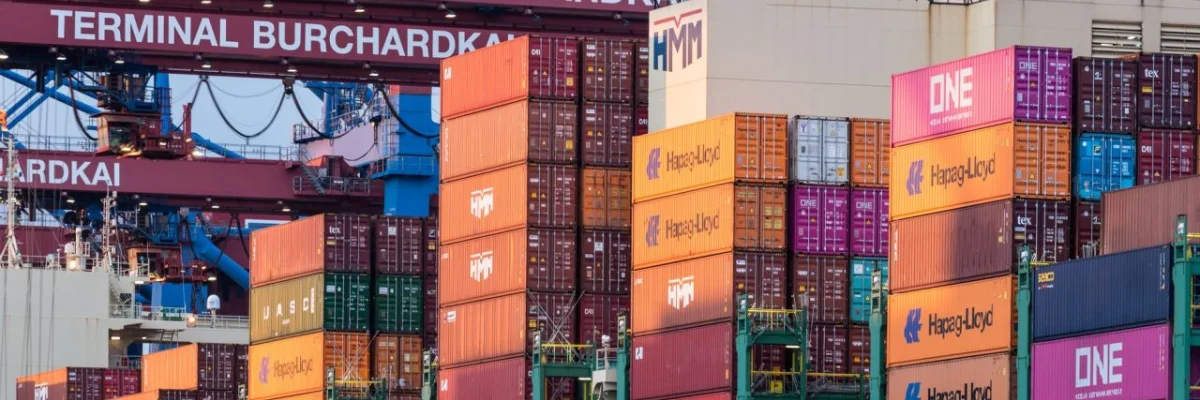
The global logistics landscape is undergoing a massive shift as freight forwarders move away from manual processing toward highly automated digital ecosystems. Traditional methods of handling shipping documentation and tracking are no longer sufficient to keep pace with the demands of modern supply chains. By embracing cloud-based platforms and seamless software integrations, businesses can unlock significant improvements in operational efficiency and customer satisfaction. This transition is not merely about adopting new tools, but rather about building a foundation for scalable growth. As market pressures increase, freight forwarders must prioritize technological agility to remain competitive in an increasingly connected international trade environment.
Unified Data Systems

Centralizing fragmented data sources into a single cloud dashboard enables teams to view real-time shipping milestones across all modes of transport. This visibility reduces the necessity for manual spreadsheet updates and minimizes the risk of human errors during complex data entry.
- Automated Data Syncing: Real-time synchronization of shipping data eliminates the need for manual record updates across different departments, ensuring that your team always relies on the most accurate information available.
- Centralized Documentation Hub: Secure cloud storage allows staff to access bills of lading, invoices, and customs forms from any location, which drastically improves retrieval speeds and organizational compliance standards.
- Instant Status Updates: Automated triggers send notifications to clients the moment shipment statuses change, providing a proactive customer service experience that builds trust and long-term brand loyalty for forwarders.
- Scalable Resource Planning: Integrated software solutions grow with your business, allowing you to manage higher shipment volumes without the need to hire additional administrative staff for data handling.
By bringing every piece of critical documentation into a cohesive digital workspace, forwarders eliminate the bottlenecks caused by siloed departments. This approach simplifies internal communication and provides stakeholders with a single source of truth. When data flows effortlessly across your organization, the entire shipping lifecycle becomes transparent and predictable, allowing your team to focus on resolving exceptions instead of hunting for basic shipment information.
API-Driven Connectivity

Modern freight forwarding software relies on robust API integrations to connect with carriers, customs agencies, and accounting platforms. This interconnectivity fosters a frictionless data exchange environment, saving precious time for forwarding agents who manage multiple platforms throughout their workday.
- Seamless Carrier Integration: Direct connections with ocean and air carriers allow for automatic booking requests and schedule retrieval, which drastically reduces the time spent on vendor web portals.
- Customs Compliance Automation: Integrating directly with local customs authorities ensures that filing documentation is streamlined and error-free, preventing costly delays at the border for your international shipping clients.
- Accounting Software Sync: Automated invoicing flows between your freight platform and accounting systems reduce manual reconciliation tasks and accelerate the billing cycle for improved cash flow management.
- Partner Portal Access: Granting specific access to partners or vendors through secure API gateways allows for collaborative document sharing that keeps all stakeholders aligned on project requirements.
Connectivity is the backbone of efficient logistics operations in the current era. By leveraging APIs, forwarders can automate repetitive tasks that previously consumed hours of manual labor. This reduction in manual touchpoints not only lowers operational costs but also allows staff to dedicate their time to high-value problem solving. Achieving a high level of system interoperability is essential for long-term operational success.
Enhanced Supply Chain Visibility
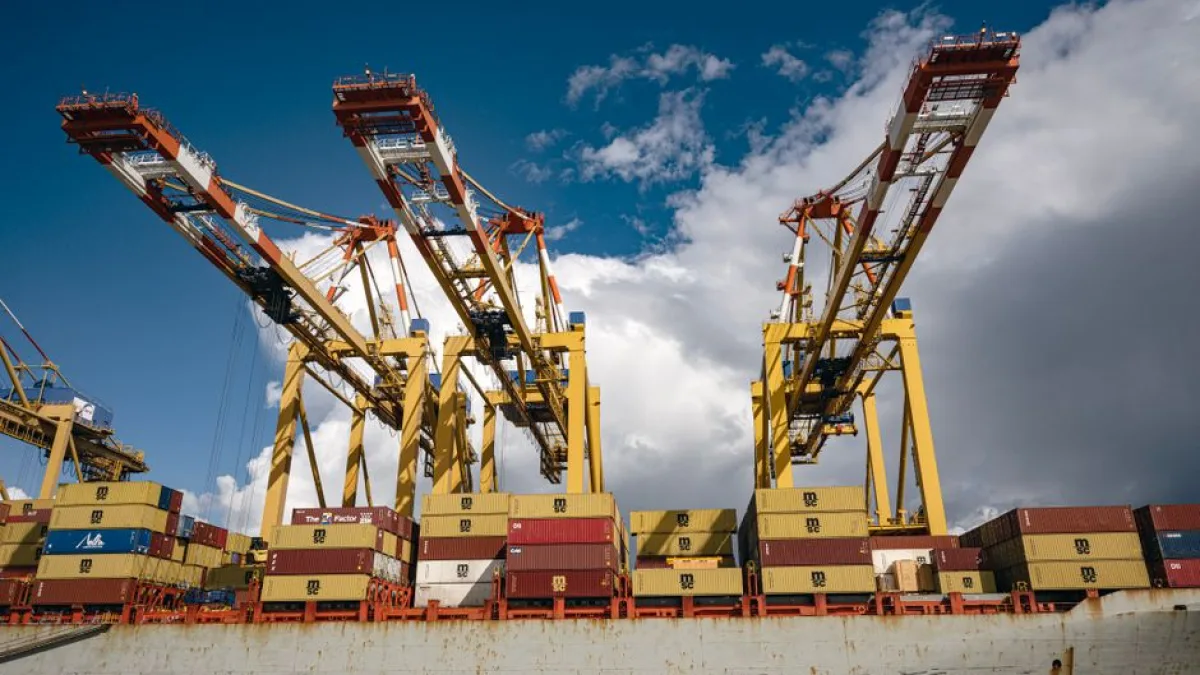
Real-time visibility tools provide both the forwarder and the client with a precise window into the movement of goods globally. Using live tracking integrations, logistics providers can manage expectations effectively while anticipating potential disruptions before they impact the bottom line.
- Real-time Tracking Feeds: Integration with global tracking networks provides up-to-the-minute updates on vessel positions, allowing you to inform your clients proactively about any potential shipping delays.
- Predictive Delay Alerts: Advanced analytics software identifies patterns and weather events that might disrupt routes, enabling teams to reroute shipments and avoid major logistics bottlenecks early.
- Client-Facing Portals: Providing customers with private login access to tracking dashboards creates a professional image and empowers them to self-serve their most urgent shipment information needs.
- Exception Management Tools: Automated alerts flag shipments that deviate from standard timelines, giving your operations team the opportunity to intervene and resolve issues before they become crises.
Visibility is the key differentiator in a crowded market where speed and accuracy define success. When clients have constant access to the status of their cargo, their stress levels decrease, and your customer service burden is significantly lightened. Investing in robust visibility tools ensures that your company can deliver consistent and high-quality results, regardless of how complex the international supply chain becomes.
Security and Compliance Standards

Protecting sensitive cargo data is a non-negotiable priority for professional freight forwarders. Moving to cloud-native platforms provides advanced security features that protect your business and your clients from data breaches while ensuring compliance with international privacy and trade regulations.
- Encrypted Cloud Storage: Industry-standard encryption protocols ensure that every document, invoice, and customer record is protected from unauthorized access at all times while stored in the cloud.
- Regular System Audits: Automated security monitoring helps identify potential vulnerabilities within your digital infrastructure, allowing for rapid patches that keep your business protected against evolving cybersecurity threats.
- Granular Access Controls: Role-based permissions ensure that staff members can only access the data required for their specific tasks, which reduces the risk of accidental data leaks internally.
- Regulatory Compliance Reporting: Built-in reporting modules generate the necessary documentation to satisfy local and international trade laws, simplifying the often daunting process of annual auditing procedures.
Security and compliance are the bedrock of any reputable freight forwarding company. By using modern, secure platforms, you demonstrate a commitment to professional standards that gives your clients peace of mind. Keeping your digital infrastructure compliant with international regulations is not just about avoiding penalties; it is about building a sustainable, trustworthy business that can weather the challenges of global digital logistics.
Conclusion

Implementing advanced technology and integrations represents the most important step for modernizing your freight forwarding operations. By focusing on automation, visibility, and secure data management, you position your business to scale efficiently and meet the evolving needs of your clients. Start evaluating your current digital workflows today and identify where MakeCargo can help you achieve a higher level of performance and success.