Digital Transformation in Freight Forwarding: Mastering Modern Integrations
Sunday, October 18 2026
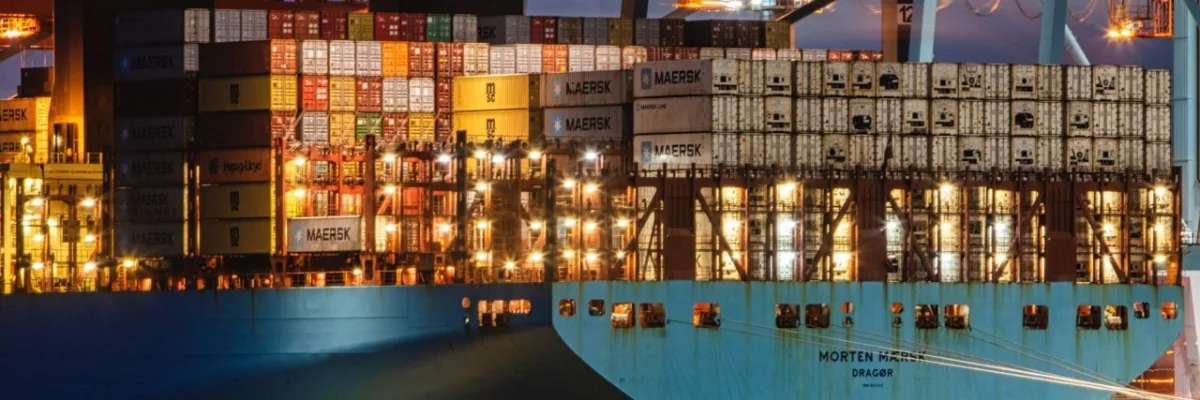
The global logistics landscape is undergoing a massive shift as traditional manual processes give way to high speed digital ecosystems. Freight forwarders are increasingly tasked with managing complex supply chains while maintaining transparency for demanding clients. By adopting cloud based software and robust API integrations, professionals can bridge the gap between legacy systems and modern requirements. This transformation is not merely about replacing paper with screens but about creating a synchronized network where data flows seamlessly between carriers, customs authorities, and shippers to ensure timely delivery and operational excellence in an evolving international market.
The Power of Seamless Connectivity
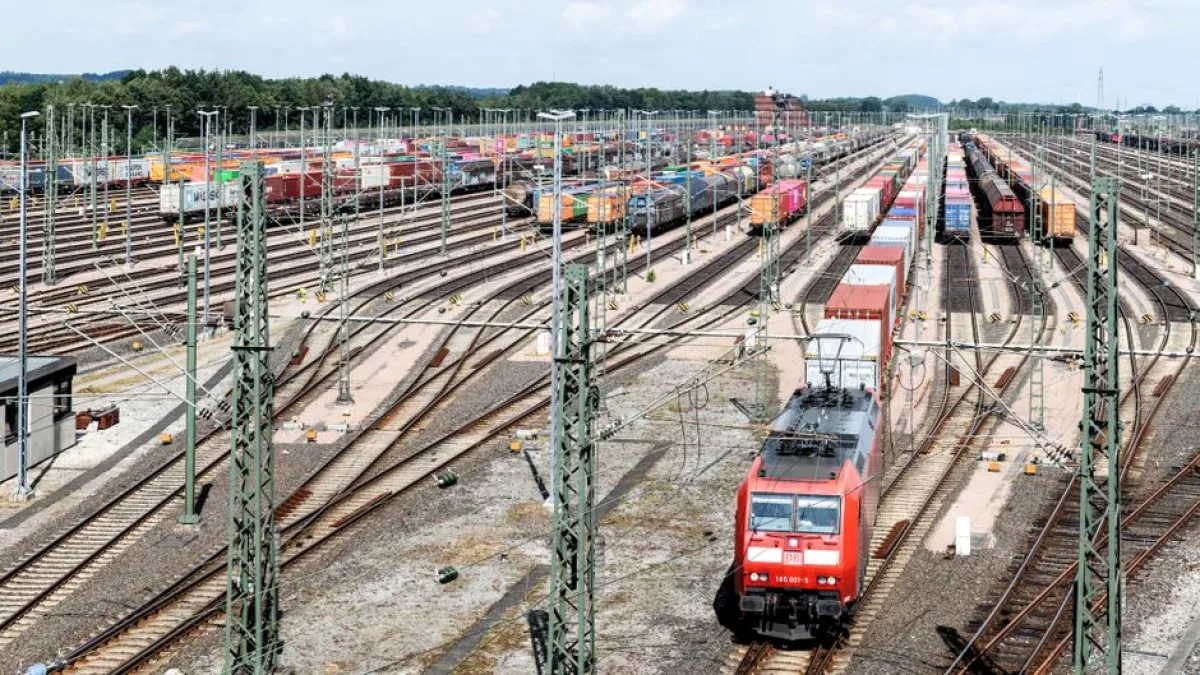
Modern freight forwarding software acts as the central nervous system for your logistics operations. By integrating various platforms, you remove data silos and allow your team to access real time information across the entire shipping lifecycle without needing manual entry.
- Automated Data Exchange: Implement robust EDI or API connections that allow your system to talk directly with shipping lines and trucking companies to retrieve accurate status updates instantly.
- Unified Dashboard Views: Consolidate information from multiple carriers into a single screen to provide your staff with a clear overview of every active shipment in progress.
- Reduced Manual Errors: Minimize the human mistakes associated with repetitive data entry tasks by allowing your software to sync information automatically between different partner systems securely.
- Faster Document Processing: Utilize digital tools that extract essential data from bills of lading or invoices to accelerate your internal auditing and client invoicing workflows daily.
- Custom API Integrations: Build bespoke connections with niche software vendors that specifically serve your unique logistics requirements to maintain a competitive edge in your market.
When you prioritize connectivity, your business gains the agility needed to handle unexpected disruptions with confidence. Staff spend less time chasing information through emails or phone calls and more time delivering value to your customers. Investing in an integrated digital infrastructure ensures that your data remains consistent and reliable throughout the shipping process, which builds long term trust with your most important shipping clients.
Enhanced Visibility and Client Trust
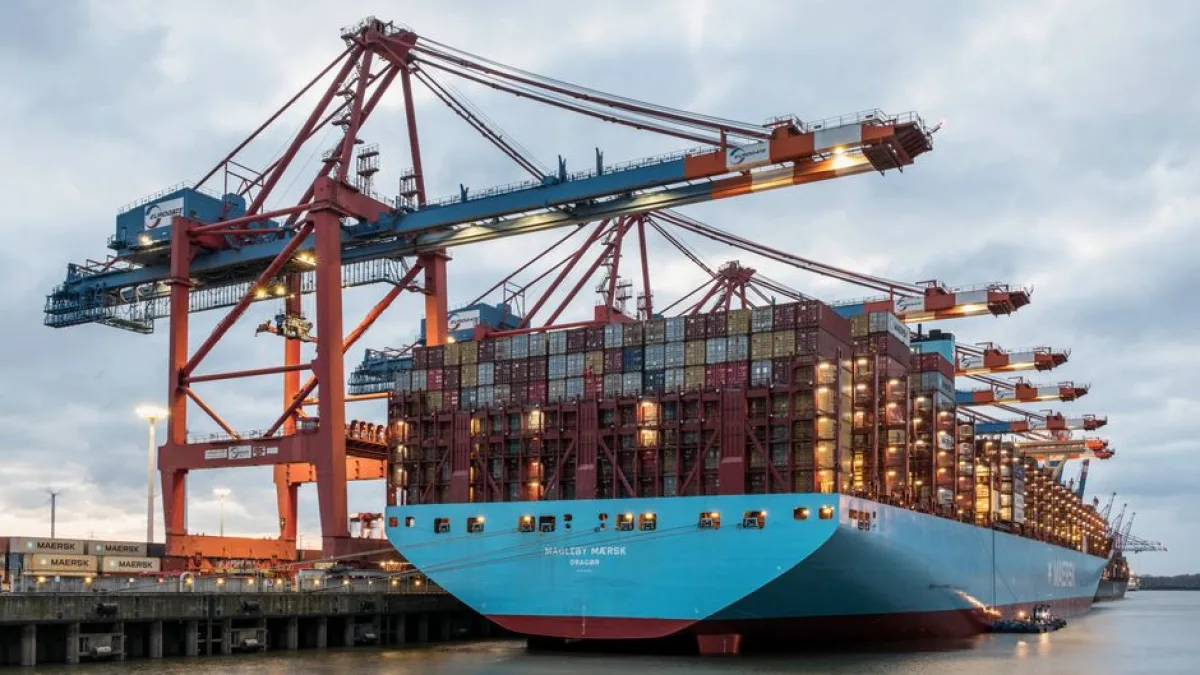
Visibility is the top priority for shippers in the modern economy. Your ability to provide instant tracking and predictive analytics creates a transparent experience that keeps your clients satisfied and loyal to your freight forwarding services over time.
- Real Time Tracking: Provide your customers with live GPS locations and status updates that empower them to monitor their cargo from departure until final delivery.
- Proactive Issue Notification: Configure automated alerts that inform your team and your clients the moment a delay occurs so you can plan corrective actions immediately.
- Self Service Portals: Allow your clients to log into a secure portal where they can view their shipment histories and download documents whenever they need.
- Dynamic Predictive Analytics: Leverage historical data trends to provide clients with accurate arrival estimates that account for current port congestion or seasonal peak volume issues.
- Transparent Reporting Tools: Generate customized performance reports for your major accounts that highlight your service success rates and identify areas for future supply chain optimization.
Providing high level visibility transforms your relationship with shippers from transactional to strategic. When clients have immediate access to information, their stress levels drop and your customer support workload decreases significantly. This technical advantage differentiates your firm from competitors who still rely on delayed updates and manual communication methods, ultimately leading to higher retention rates and a much stronger reputation across the global industry.
Streamlining Internal Operational Workflows

Operating a freight forwarding company requires immense attention to detail during every stage of the shipment cycle. Modern software integrations help your team automate repetitive tasks so that they can focus on higher value activities like client relationship management.
- Automated Quotation Generation: Enable your sales team to create professional quotes in seconds by pulling live carrier rates directly into your booking management software system.
- Digital Document Storage: Maintain a paperless environment where every relevant document is automatically linked to the specific shipment record for easy internal team retrieval.
- Smart Workflow Automation: Trigger specific actions such as email notifications or status changes based on milestone updates received from your connected shipping partner platforms daily.
- Integrated Accounting Modules: Synchronize your operations data with financial systems to ensure that billing is accurate and that your cash flow remains healthy consistently.
- Role Based Permissions: Control access to sensitive shipment data and financial documents by setting custom user roles that keep your company information secure and organized.
Optimizing your internal workflows reduces the burnout associated with heavy administrative burdens. By letting technology handle the routine processes, your employees can dedicate their energy to solving complex logistics problems or negotiating better rates with carriers. This increase in efficiency directly impacts your bottom line, as you can handle a higher volume of shipments without needing to expand your administrative headcount unnecessarily.
Future Proofing Your Logistics Business

The logistics sector continues to evolve with new regulations and advanced technologies. Choosing a scalable platform ensures your business stays ahead of these changes while maintaining compliance and security standards in every country where you manage your global cargo.
- Scalable Cloud Infrastructure: Select software solutions that grow with your company by offering flexible cloud hosting options and simple expansion modules for your operations team.
- Regular Software Updates: Benefit from ongoing feature improvements and security patches provided by your cloud partner so that your tools never become obsolete or vulnerable.
- Regulatory Compliance Support: Use built in tools that automatically update your systems to align with new international trade laws and specific regional customs requirements.
- Secure Cloud Hosting: Protect your valuable client data with enterprise grade security features including encryption and automated backups that prevent loss during unexpected system outages.
- Collaborative Feature Development: Work with software providers who listen to customer feedback to build the exact features you need to succeed in your logistics niche.
Remaining competitive requires a commitment to continuous improvement through modern technology adoption. When your software is built for the future, you spend less time worrying about system limitations and more time planning your next phase of growth. Keep your business resilient and ready for any challenge by investing in a robust, cloud based ecosystem that evolves alongside the complex global shipping industry.
Conclusion

Embracing technology and integrations is essential for every modern freight forwarder aiming for long term success. By connecting your systems, increasing visibility, and automating workflows, you set your business apart in a crowded marketplace. Start your digital transformation journey today by evaluating your current software needs and identifying how MakeCargo can help you streamline operations and deliver superior results for your clients.