Digital Transformation in Freight Forwarding: Leveraging Modern Tech Integrations
Thursday, October 29 2026
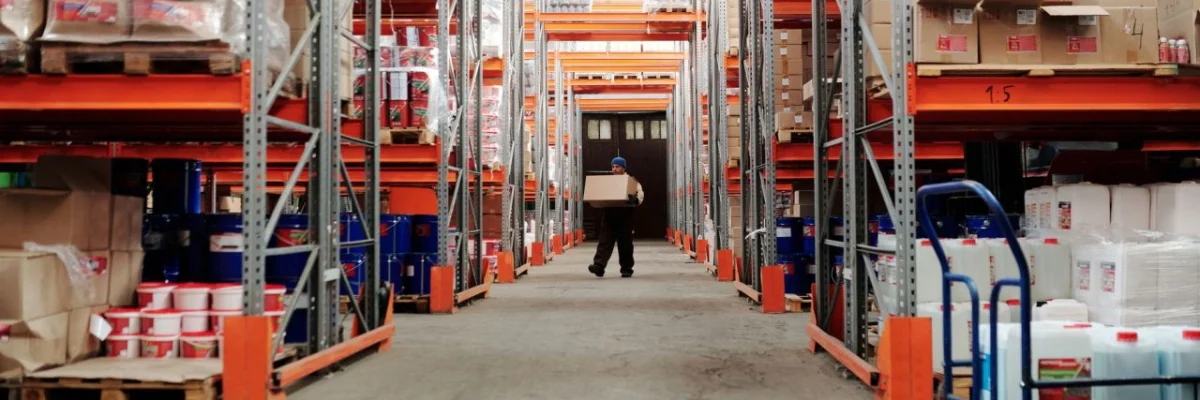
The global logistics landscape is undergoing a massive shift as freight forwarders move away from legacy spreadsheet systems toward integrated cloud platforms. Modern technology is no longer an optional upgrade but a fundamental requirement for maintaining a competitive edge in a fast paced market. By centralizing data and automating manual communication, freight professionals can significantly reduce operational overhead and improve transparency for their clients. Embracing digital tools allows teams to focus on strategic growth rather than data entry, ensuring that every shipment is tracked, managed, and optimized with precision while keeping costs low and customer satisfaction high.
Streamlining Supply Chain Data

Integrating diverse data sources creates a unified command center for your logistics operations. By connecting your freight software with global carrier networks and customs databases, you gain a holistic view of your supply chain performance in real time without manual effort.
- Automated Data Syncing: Eliminate repetitive manual data entry tasks by automatically syncing shipment statuses across your entire digital ecosystem for faster processing times and reduced human error risks.
- Centralized Information Hub: Create a single source of truth where all relevant parties can access accurate shipment details instantly to prevent communication silos and costly operational delays.
- Real Time Tracking: Leverage live updates from global carriers to provide your customers with precise location data, enhancing trust and professional service standards for all stakeholders.
- Operational Cost Reduction: Decrease administrative overhead significantly by replacing slow manual documentation processes with agile digital workflows that scale effectively with your growing business requirements today.
Transforming your operational framework through automated data integration is the first step toward true scalability. When information flows seamlessly between platforms, your team spends less time searching for answers and more time delivering value. This shift improves your bottom line while positioning your firm as a modern leader capable of handling complex logistics demands with ease and total accuracy for every client interaction.
Enhancing Customer Communication Portals

Client expectations are shifting toward self service options that offer total transparency. By implementing secure customer portals, freight forwarders can provide clients with constant access to their shipment history and current status reports without needing direct agent assistance.
- Self Service Access: Give your clients 24/7 access to their own dashboards, allowing them to download invoices and track cargo status independently, which builds lasting professional trust.
- Instant Status Updates: Notify clients immediately when shipment milestones change, reducing the number of repetitive status check inquiries your team receives during a busy workday.
- Document Management Tools: Allow clients to upload and download essential shipping documents directly within the portal to keep files organized and accessible for quick audits.
- Secure Messaging Channels: Communicate clearly with your clients through encrypted channels located inside your freight software, ensuring that all shipment details remain private and well documented.
Superior customer experience is often determined by the speed and clarity of communication. By offering intuitive self service portals, you empower clients to take control of their logistics visibility. This reduces the burden on your customer support staff while simultaneously increasing satisfaction rates. Investing in these digital touchpoints demonstrates a commitment to transparency that sets your business apart in an industry defined by complexity.
Automating Compliance and Documentation

Managing global compliance requirements is one of the most complex tasks for any logistics firm. Digital integration allows for automatic validation of documentation, ensuring that every piece of paperwork meets local and international standards before shipments even leave the port.
- Instant Document Verification: Use automated tools to scan and validate documents for errors, ensuring full compliance with customs regulations before cargo enters the international shipping stream.
- Error Reduction Systems: Prevent costly fines and shipment holds by automatically flagging missing information or incorrect data entries before they cause delays in your workflow.
- Digital Audit Trails: Maintain a complete and unalterable record of all documentation changes, providing your team with peace of mind during complex customs audits or inspections.
- Regulatory Compliance Updates: Benefit from software updates that automatically adapt to changing international trade laws, keeping your firm compliant without requiring manual research or updates.
Compliance documentation is a tedious necessity that carries high stakes for freight forwarders. Modern software bridges the gap between complex regulatory requirements and daily operations, minimizing risk through intelligent automation. By digitizing the paperwork process, you protect your company from avoidable penalties while accelerating the speed at which your cargo clears customs, ultimately ensuring a much smoother journey from origin to destination.
Scaling with Cloud Architecture

Cloud based infrastructure provides the flexibility needed to grow without technical limitations. Unlike traditional on premise servers, cloud freight software scales with your transaction volume, ensuring your team has the resources required during peak seasons and global growth phases.
- Global Team Access: Enable your remote and local team members to work together from anywhere in the world by using secure cloud based platforms for logistics.
- Seamless Platform Scaling: Expand your operations rapidly by utilizing cloud resources that adapt to increased shipment volumes, ensuring consistent system performance during your busiest shipping periods.
- Enhanced Data Security: Protect sensitive client and shipment data with enterprise level security protocols and automatic cloud backups that prevent data loss from system failures.
- Lower Infrastructure Costs: Remove the burden of expensive hardware maintenance and server upgrades by choosing a subscription based software model that fits your operational budget.
Scaling your freight forwarding business requires a technology foundation that can handle rapid change. Cloud architecture eliminates the constraints of physical hardware, allowing your team to remain agile in a shifting market. By focusing on cloud integration, you ensure that your firm remains resilient, secure, and ready to meet any logistics challenges that arise while keeping your overhead costs manageable and predictable long term.
Conclusion
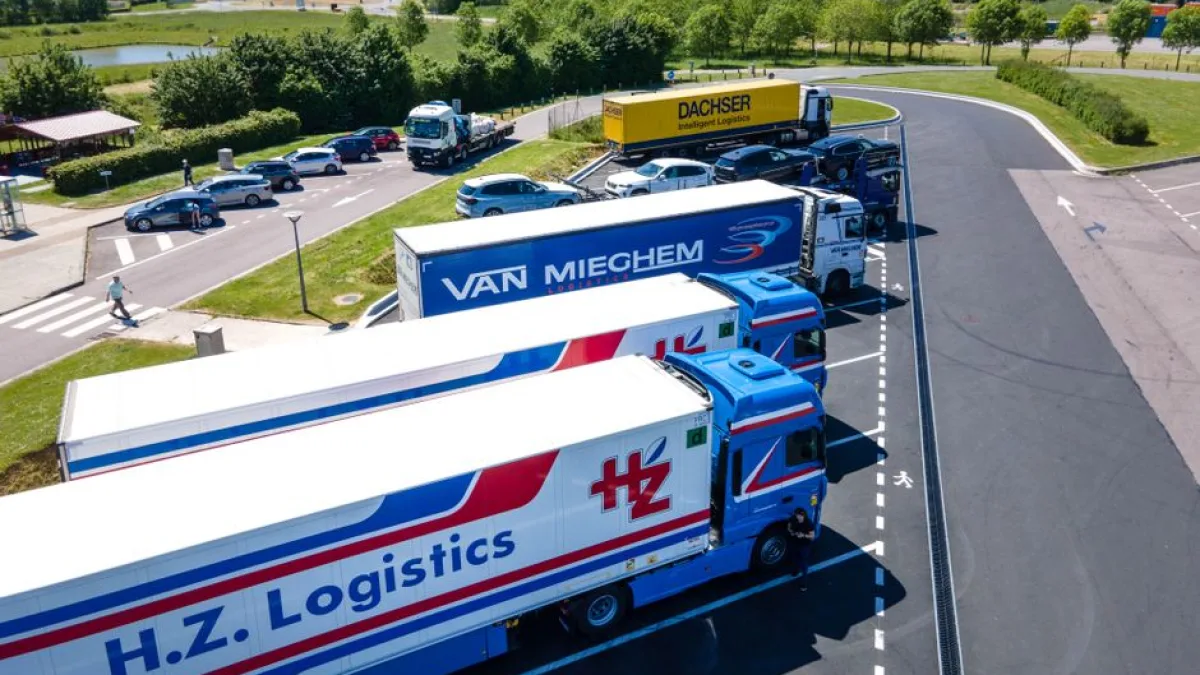
Technology remains the most significant driver of success in the modern freight industry. By integrating data, enhancing communication, automating compliance, and leveraging the power of cloud infrastructure, forwarders can unlock new levels of efficiency and profit. Now is the time to evaluate your current stack and invest in tools that drive meaningful growth. Reach out to MakeCargo to start optimizing your logistics operations today.