Digital Transformation in Freight Forwarding: Leveraging Technology and Integrations
Monday, August 31 2026

The modern logistics landscape is undergoing a massive shift driven by the necessity for speed, transparency, and data accuracy. Freight forwarders are increasingly moving away from manual, spreadsheet-heavy workflows to robust, cloud-based systems that offer end-to-end visibility. By prioritizing technology and integrations, firms can unify disparate communication channels, reduce human error, and provide clients with the real-time updates they now demand. Transitioning to integrated platforms is no longer a luxury but a fundamental requirement for staying competitive in a volatile global market. Embracing these digital tools empowers teams to focus on high-value logistics challenges rather than tedious administrative tasks.
The Power of Centralized Data

Centralizing operational data into one single source of truth eliminates the silos that often plague traditional shipping operations. By consolidating every shipment detail in a cloud-based dashboard, teams can collaborate more effectively and maintain complete control over complex logistics projects.
- Improved Decision Accuracy: Accessing real-time shipment status updates allows logistics managers to make informed decisions quickly, preventing costly delays and ensuring that stakeholders stay updated throughout the entire transport lifecycle.
- Streamlined Team Collaboration: Integrated platforms foster better communication between remote team members by providing shared access to documents, customs filings, and live tracking updates within a secure digital environment.
- Automated Data Entry: Eliminating manual input reduces the risk of human error significantly, allowing staff to spend their time on strategic planning rather than fixing typos on shipping documents.
- Scalable Infrastructure Growth: Cloud systems enable freight forwarders to handle increased cargo volumes effortlessly without needing to invest heavily in additional on-premise hardware or expensive internal IT server maintenance.
- Enhanced Client Reporting: Generating detailed performance reports for clients becomes an automated process that demonstrates value, builds long-term trust, and improves overall transparency across your entire logistics service offering.
When teams operate from a single, integrated platform, efficiency gains become immediately apparent across every department. Reducing the time spent manually updating spreadsheets allows your workforce to focus on resolving critical transit issues rather than basic data management. Ultimately, centralized data improves the speed of your entire supply chain, giving your company a distinct advantage while fostering improved relationships with partners and valued customers.
Real-Time Visibility and Tracking
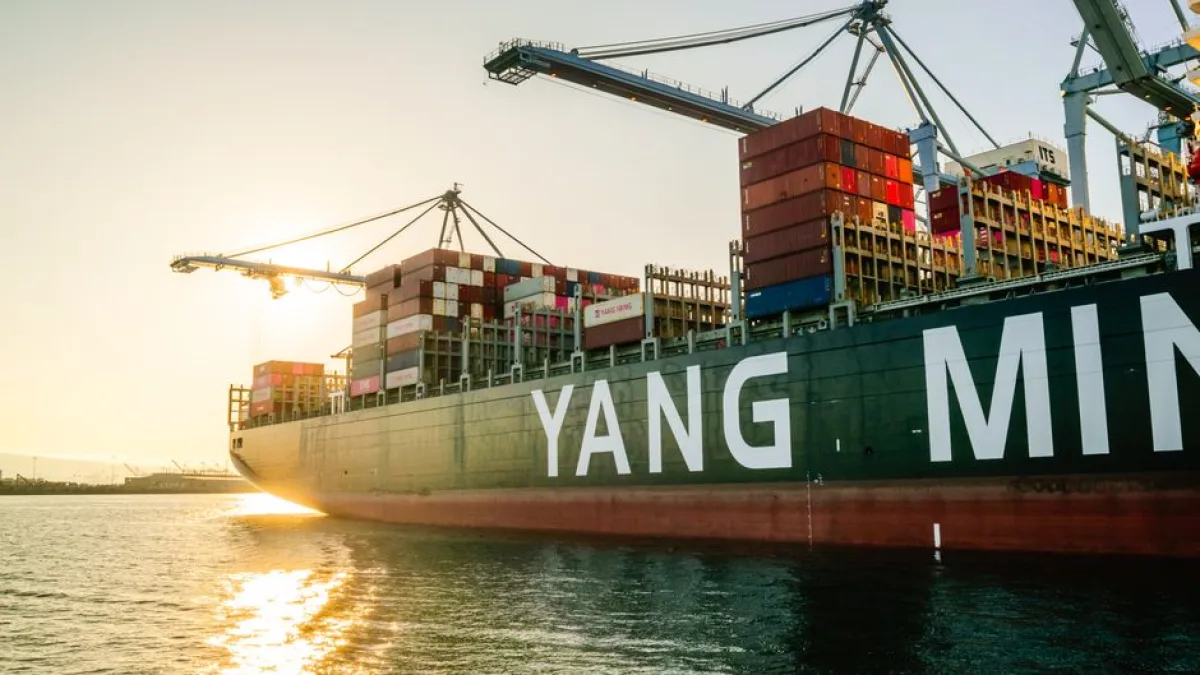
Real-time visibility tools provide both the forwarder and the shipper with accurate, live data regarding cargo status. This level of transparency helps to mitigate potential risks and allows for proactive interventions whenever unforeseen delays or logistical hurdles arise during transit.
- Live Shipment Monitoring: Integrating GPS and satellite data directly into your dashboard ensures that every stakeholder knows exactly where their cargo is located at any given moment of transit.
- Proactive Delay Alerts: Automated notifications warn teams about potential port congestion or severe weather impacts, enabling you to reroute cargo before issues escalate into expensive supply chain disruptions.
- Improved Customer Experience: Clients appreciate being kept in the loop automatically, which reduces the volume of manual inquiry emails and phone calls that your customer service team must handle.
- Optimized Route Planning: Analyzing historical performance data alongside live tracking helps forwarders select the most reliable carriers and routes, ensuring faster delivery times and better overall cost management strategies.
- Enhanced Security Protocols: Real-time tracking offers an extra layer of security, making it easier to identify irregular movements or unexpected stops that might indicate potential theft or cargo damage.
Visibility serves as the backbone of modern logistics, transforming how businesses interact with their global partners. By leveraging live tracking, you provide an unmatched level of service that builds loyalty and credibility. Investing in these digital tools ensures that you remain a preferred logistics provider in an industry where information is the most valuable asset you can offer to your clients daily.
Automating Customs and Compliance

Customs compliance remains one of the most complex parts of global trade. Modern software integrations help automate the generation of necessary documentation and cross-reference entries against international trade databases to ensure everything is filed correctly, on time, and without errors.
- Standardized Document Filing: Automated templates ensure that every bill of lading, commercial invoice, and certificate of origin contains the required information, drastically reducing the risk of customs holds or rejection.
- Regulatory Compliance Updates: Integrated software systems receive instant updates regarding changing international trade regulations, helping your team stay compliant with current laws without constant manual research and verification.
- Simplified Tariff Calculations: Automated systems calculate taxes and duties based on real-time commodity codes, ensuring accurate quotes that protect your profit margins and maintain healthy financial bookkeeping standards.
- Error Detection Systems: Built-in validation checks automatically flag missing fields or conflicting data before submission, preventing costly delays associated with incorrect customs filings at various international border control points.
- Digital Audit Trails: Maintaining a comprehensive digital history of all submissions and communications with customs authorities simplifies internal auditing processes and provides peace of mind for your team.
Automating compliance is a game-changer for firms looking to reduce risk and increase operational speed. By removing the manual burden of filing, you allow your experts to manage exceptions rather than routine paperwork. This strategic shift not only saves significant time but also protects your company from the fines and legal consequences that often arise from accidental human errors during complex customs processes.
Future-Proofing Your Logistics Business
Technology evolves rapidly, and the only way to remain relevant is to adopt scalable platforms that adapt to industry changes. By choosing modular software solutions, forwarders can integrate new tools and APIs as they emerge, ensuring their tech stack remains current.
- API Integration Flexibility: Connecting your freight software with third-party tools like accounting platforms or carrier systems via APIs ensures seamless data flow and expands your functional capabilities easily.
- Scalable Software Modules: Start with the essential tools you need today and add advanced logistics modules as your business grows, keeping your operational costs aligned with your company budget.
- Data-Driven Business Insights: Leveraging advanced analytics tools built into your software helps you identify trends, optimize internal workflows, and uncover new revenue opportunities within your existing client base effectively.
- Remote Access Capability: Cloud systems allow your staff to manage operations from anywhere in the world, facilitating a flexible work environment that attracts top talent in the logistics industry.
- Consistent System Updates: Choosing cloud-based providers ensures that your software is always running the latest version, meaning you benefit from new security patches and features without manual intervention.
Preparing for the future requires a commitment to innovation today. By selecting software that supports integrations and modular growth, you ensure your firm can pivot whenever the market demands. This adaptability is critical for long-term success and sustainability. When you invest in a platform designed for the future, you are essentially investing in the ongoing resilience and profitability of your freight forwarding operations.
Conclusion
Technology and integrations are the fundamental pillars of a successful modern freight forwarding business. By centralizing data, providing real-time visibility, automating compliance, and planning for future scalability, firms can overcome traditional industry challenges with ease. Start exploring how cloud-based solutions can refine your operations today. Embracing these digital tools is the smartest way to ensure your company remains a leader in global trade.