Digital Transformation in Freight: The Power of Seamless Integrations
Friday, August 28 2026
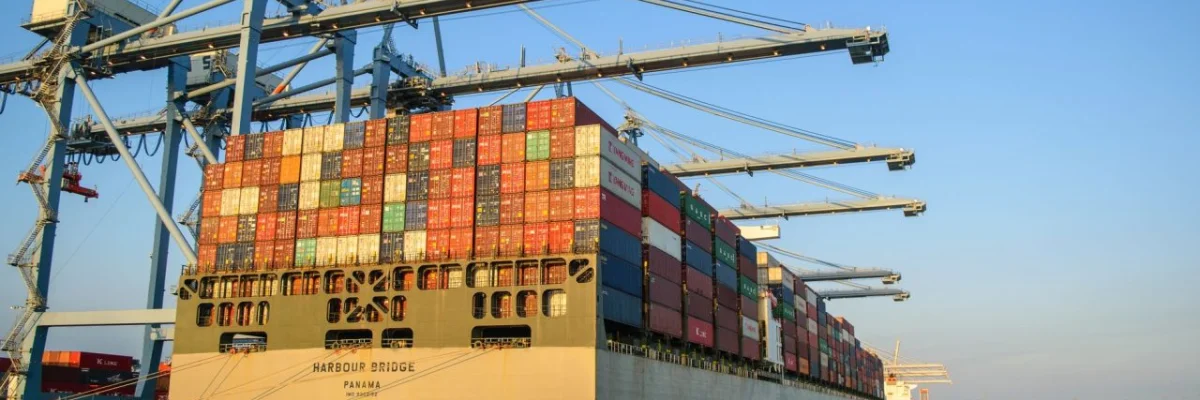
The modern logistics landscape demands unprecedented agility and precision from every freight forwarding professional. As global supply chains grow more complex, the reliance on fragmented spreadsheets and manual data entry becomes a significant barrier to scalability and profit. By embracing digital transformation and cloud-based systems, forwarders can unite disparate workflows into a single source of truth. This shift not only eliminates costly human errors but also empowers your team to focus on high-value client relationships. Integrating advanced technology into your core operations is no longer just a competitive advantage, it is a fundamental requirement for long-term survival in this rapidly evolving global industry.
Automating Data Flows Between Partners

Seamless connectivity between your platform and external partners reduces redundant manual tasks significantly. Automating these data exchanges ensures that every document and status update moves through your workflow instantly, saving precious time for your logistics coordinators and operations team members.
- Real-time status updates: Automated webhooks provide instant visibility into shipment milestones, allowing your team to proactively address potential delays before they impact your clients and overall supply chain health.
- Document digitization protocols: Intelligent optical character recognition tools convert scanned paper bills and invoices into structured data formats, eliminating the need for manual typing and reducing human errors significantly.
- Carrier API connections: Direct integrations with major shipping lines allow you to fetch real-time sailing schedules and spot rates, ensuring your team always has access to accurate information.
- Customized client portals: Providing your customers with direct access to shipment details through a white-labeled portal enhances transparency and builds lasting trust within your professional business relationships.
- Error-free data synchronization: Eliminating the manual movement of information between systems guarantees that all stakeholders view identical data points, preventing costly mismatches in shipping documentation or freight billings.
By leveraging robust APIs, you transform how your business handles massive volumes of logistics data every day. This automation removes the bottlenecks that typically cause delays in documentation processing, allowing your staff to shift their energy toward complex problem solving rather than administrative upkeep. As your operation scales, these automated pathways ensure that your infrastructure remains stable, reliable, and capable of handling increased shipping volumes.
Enhancing Operational Visibility Across Operations
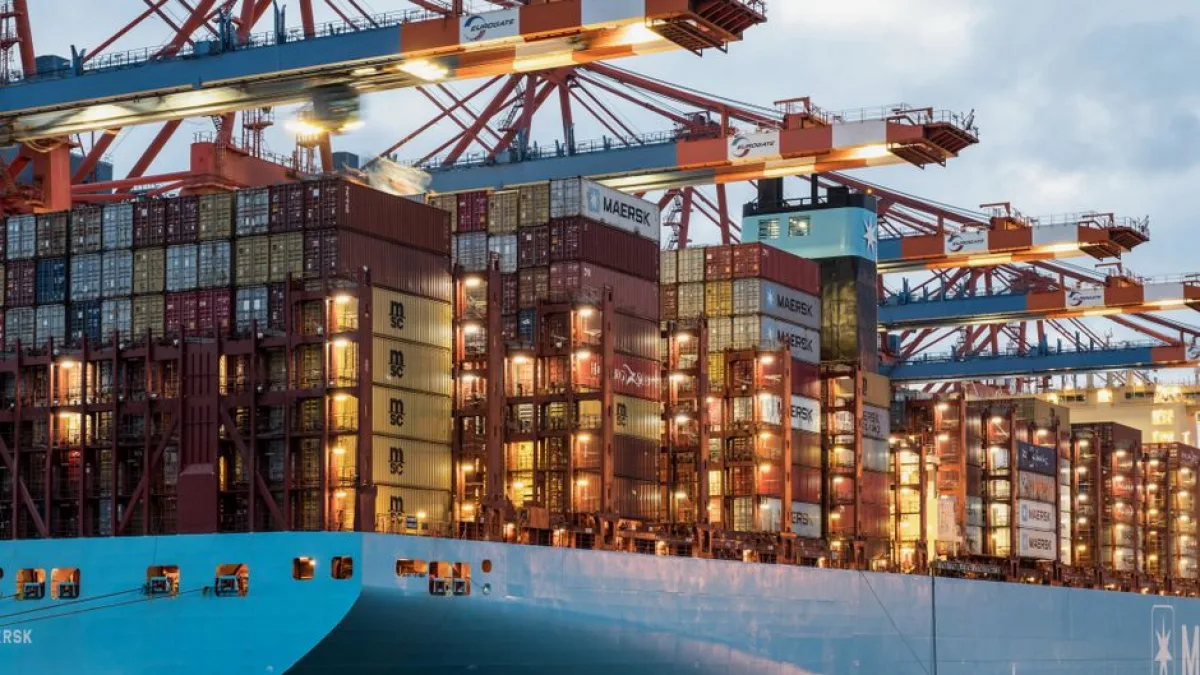
Visibility remains the gold standard in modern logistics, enabling forwarders to track every movement with absolute precision. Implementing integrated tracking solutions allows you to provide stakeholders with live updates, turning standard transport processes into highly transparent and efficient workflows for everyone.
- Predictive shipment tracking: Advanced algorithms analyze historical transit data to provide accurate estimated times of arrival, helping you set realistic expectations for your clients throughout the entire process.
- Unified control tower: Consolidate data from multiple carriers and modes into a single interface, giving your managers a comprehensive view of all ongoing shipments without needing multiple logins.
- Automated milestone notifications: System triggers notify both your team and your customers automatically when a container reaches a port or passes a customs milestone, improving overall communication standards.
- Exception management alerts: Receive immediate notifications for unforeseen events like weather delays or equipment shortages, enabling your staff to implement contingency plans immediately and minimize total disruption time.
- Historical data analytics: Track carrier performance over time using integrated dashboards to identify trends and make better decisions when negotiating future contract rates or selecting logistics partners.
Clear visibility is the foundation of professional service in the freight industry today. When your clients can see exactly where their cargo sits, the need for time-consuming check-in emails drops dramatically. This efficiency creates a streamlined experience that benefits both your operations team and the end customer, positioning your firm as a forward-thinking partner that prioritizes speed, clarity, and accountability throughout.
Optimizing Financial Workflow Efficiencies

Financial health depends on how quickly and accurately you process invoices and payments. Integrated accounting features automate the bridge between your freight management software and your financial systems, ensuring faster billing cycles and improved cash flow for your firm.
- Automated invoice generation: System logic automatically pulls shipping costs and client fees to generate accurate invoices the moment a shipment is marked complete, accelerating your accounts receivable cycle.
- Dynamic currency management: Automatically apply correct exchange rates at the moment of billing, protecting your profit margins from fluctuations that often occur during lengthy international shipping transit times.
- Seamless accounting sync: Push financial data directly into popular platforms like QuickBooks or Xero to eliminate double-entry accounting and keep your financial records perfectly balanced at all times.
- Automated payment reminders: Configure your system to send gentle notifications to clients with outstanding balances, which helps maintain steady cash flow without requiring manual follow-up from staff.
- Vendor bill verification: Compare incoming carrier invoices against original quotes automatically to identify discrepancies, ensuring you never overpay for services that do not match the agreed contract terms.
Improving your back-office financial processes is one of the most effective ways to boost net profitability. By removing manual reconciliations, your accounting staff can focus on financial strategy and reporting rather than day-to-day data entry. These digital integrations create a robust financial engine that supports rapid business growth while maintaining strict compliance and accuracy across all your international shipping and client billing operations.
Leveraging Advanced Data Analytics Tools

Data is a powerful asset that is often overlooked in the traditional forwarding sector. By utilizing integrated analytics modules, your team can turn raw shipping logs into actionable business intelligence that drives smarter decision making and long-term strategic growth plans.
- Carrier performance scoring: Evaluate different transport providers based on their punctuality and cargo safety records to ensure you are always selecting the best possible partners for your clients.
- Profitability per lane: Identify which shipping routes generate the highest margins for your agency, allowing you to focus your sales and marketing efforts where they provide the greatest return.
- Volume forecast modeling: Use historical data to predict seasonal spikes in demand, helping your team plan resource allocation and capacity requirements well before the busy peak season hits.
- Customized management reporting: Generate detailed performance reports with a single click, providing your leadership team with the specific metrics they need to guide the company toward success.
- Market trend analysis: Keep an eye on evolving global trade patterns by analyzing your own shipment data, which helps you stay ahead of competitors by anticipating changing client needs.
Data-driven organizations outperform their peers by making decisions based on facts rather than intuition. Integrating analytics into your software platform provides a clear window into every aspect of your business performance, from lane profitability to carrier reliability. This strategic foresight allows you to adapt to market shifts quickly, ensuring your firm stays ahead of the curve while delivering superior value to your shipping partners.
Conclusion

Technology integration is the most significant driver of success for modern freight forwarders. By automating workflows, increasing visibility, optimizing finances, and leveraging data analytics, your firm can operate with greater speed and accuracy. Start your digital transformation journey with MakeCargo today to streamline your logistics operations and empower your team to provide exceptional service. The future of global shipping is digital and fully connected.