Digital Transformation in Freight Forwarding: Leveraging Technology for Growth
Monday, October 12 2026

The global logistics landscape is undergoing a massive shift as freight forwarders move away from manual processes toward integrated digital ecosystems. Traditional methods of handling shipping documentation and managing carrier communications are quickly becoming obsolete in an era where speed and transparency define competitive advantage. By adopting cloud-based platforms, forwarders can now centralize their operations, reduce human error, and provide clients with real-time visibility that was previously impossible. This digital evolution is not merely an optional upgrade but a necessary survival strategy for modern businesses aiming to scale their operations and improve profitability in a volatile market environment.
Automating Manual Documentation Tasks

Processing shipping documents manually remains a significant bottleneck that drains internal resources and slows down cargo throughput for busy logistics firms. Automating these tedious workflows allows your team to focus on strategic client relations rather than repetitive data entry tasks.
- Reduced Data Errors: Implementing automated document parsing significantly minimizes the risks associated with manual entry errors which frequently lead to costly customs delays and secondary administrative expenses for your firm.
- Faster Document Processing: Leveraging intelligent software enables your operations team to generate bills of lading and commercial invoices in seconds rather than hours of painstaking manual labor.
- Compliance Tracking Features: Digital systems provide built-in compliance checks that flag missing information or regulatory inconsistencies before documents are submitted to customs authorities for final cargo clearance.
- Standardized Filing Systems: Moving to a cloud repository ensures that all shipping documents are indexed correctly and remain accessible to authorized team members from any location.
By shifting away from legacy filing systems, your freight forwarding company gains the ability to handle higher volumes without increasing headcount. Automation creates a scalable backbone that supports growth while maintaining high standards of service quality. This transition empowers your staff to resolve complex logistics challenges effectively because they are no longer buried under mountains of paper, ultimately driving higher levels of customer satisfaction and retention.
Enhancing Real-Time Cargo Visibility
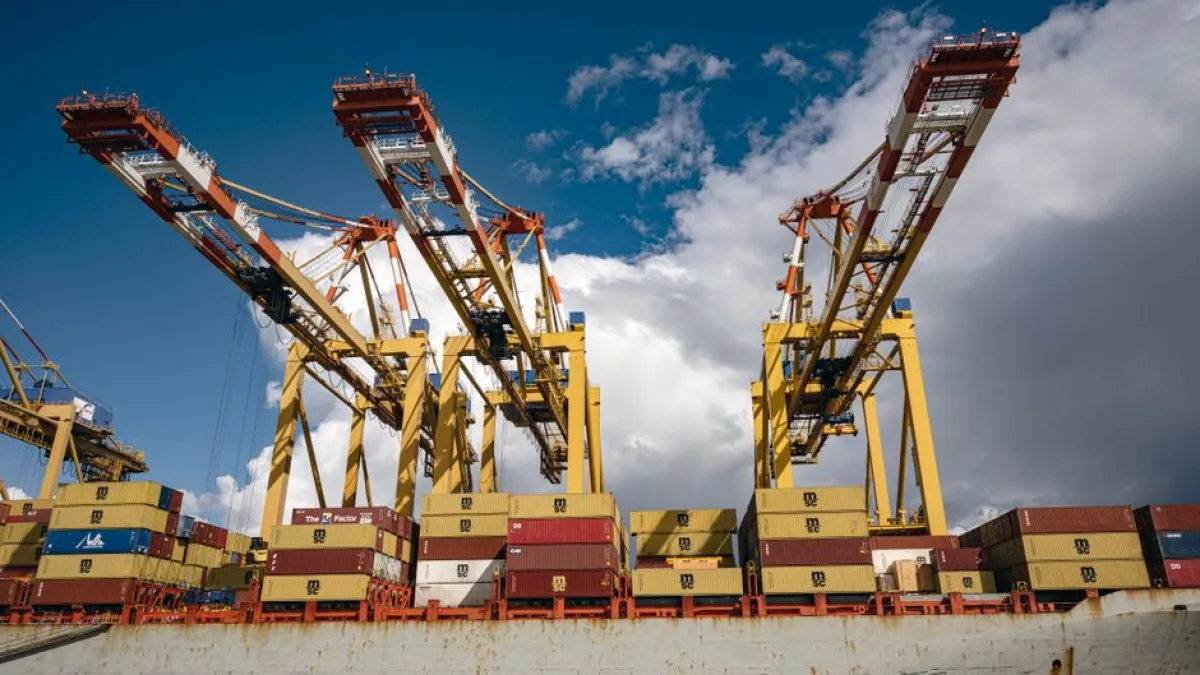
Customers today expect instant updates on the status of their shipments from the moment of pickup until the final delivery at the warehouse. Providing this high level of transparency is essential for building long-term trust and professional credibility.
- Live Status Updates: Integration with carrier APIs allows your platform to pull real-time tracking data directly into the dashboard for immediate viewing by both staff and customers.
- Proactive Exception Management: Automated alerts notify your team about potential delays or route deviations before they impact the final delivery timeline, allowing for quick problem resolution.
- Interactive Client Portals: Providing your customers with a secure portal to track their own shipments reduces the volume of repetitive status inquiry emails reaching your desk.
- Geofencing Logistics Tools: Modern software utilizes geofencing technology to provide precise arrival notifications as cargo approaches the destination port, enhancing your ability to coordinate ground transport operations.
Visibility is the new currency in the freight industry and plays a critical role in client acquisition strategies. When clients have the tools to monitor their goods independently, they feel more secure and valued. This level of transparency also reduces the administrative burden on your support team, freeing up valuable time to manage exceptions or negotiate better rates with your service partners.
Optimizing Carrier Rate Management

Managing multiple carrier quotes across different routes often leads to confusion and suboptimal decision-making if you lack a centralized digital tool. Centralizing rate management enables you to compare options instantly and select the most efficient route every time.
- Centralized Rate Database: Storing all your carrier pricing in a single cloud database ensures that your quoting team always has access to the most current information.
- Dynamic Quote Generation: Rapidly generate accurate quotes for clients by pulling live rates from your pre-negotiated carrier tariffs, ensuring you remain profitable on every single shipment.
- Competitive Price Benchmarking: Software platforms provide visual analytics that help you compare carrier pricing trends, allowing you to identify which partners offer the best value.
- Automated Quote Formatting: Professionalize your external communications by using the software to generate branded and detailed quotes that present all essential shipping information to clients.
Optimizing your carrier relationships through technology leads to better margin control and improved operational efficiency. When you can compare rates and service levels in seconds, you make smarter choices that satisfy your customers while protecting your bottom line. Investing in a robust rate management system helps eliminate the guesswork from pricing, making your entire forwarding business more predictable and resilient against market fluctuations.
Integrating Software Ecosystems

Connecting your freight software with accounting and CRM tools creates a seamless workflow that eliminates data silos across your organization. Integration is the final piece of the puzzle for a fully modern and highly efficient logistics operation.
- Seamless Financial Syncing: Automating the transfer of shipping data into your accounting platform ensures that invoices are generated correctly and payments are tracked without manual intervention.
- Enhanced Sales Insights: Connecting your freight platform to a CRM provides your sales team with valuable data regarding client shipping patterns and history for growth.
- Improved Data Accuracy: When different systems talk to each other, you eliminate the risk of mismatched records, ensuring that financial data matches the actual shipping activity.
- Custom API Connections: Many cloud platforms offer flexible API access, allowing you to build custom integrations that serve the specific needs of your unique business model.
Integration ensures that information flows freely through your company, preventing the common problem of departments working with outdated or incomplete records. When your software tools work as a unified ecosystem, your business gains the agility needed to adapt to industry changes. This level of technical maturity positions your firm as a forward-thinking leader that is ready to tackle any logistical challenge head-on.
Conclusion
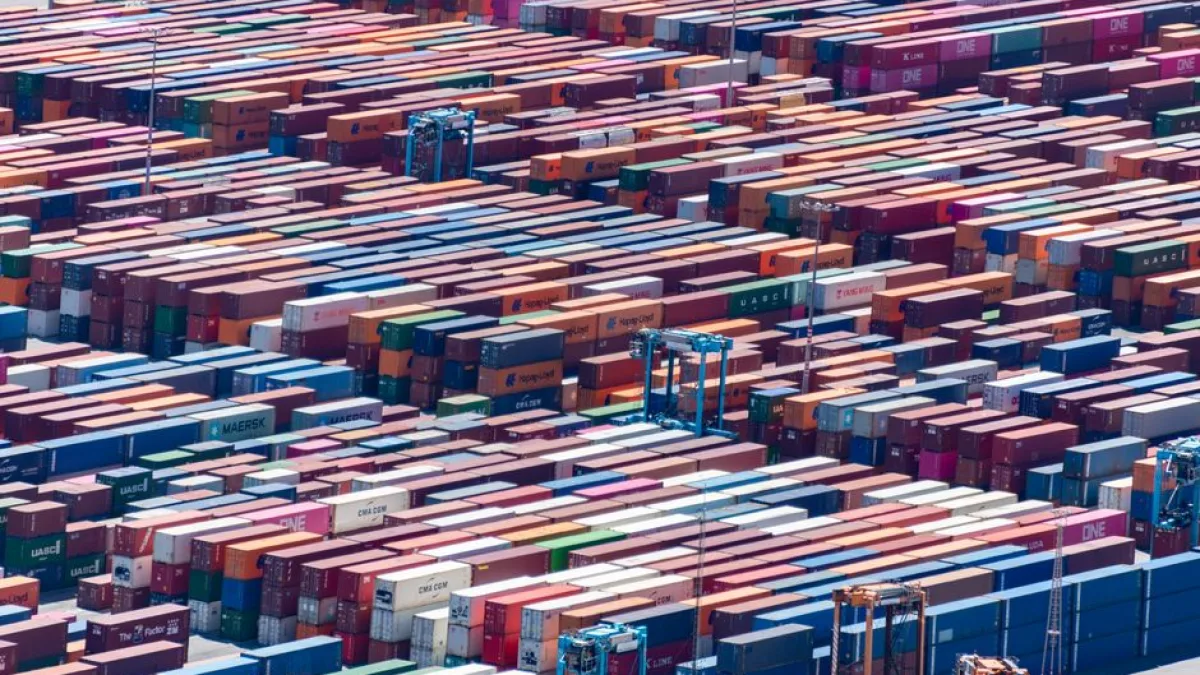
Transforming your freight forwarding business through strategic technology adoption is essential for remaining relevant and profitable in a crowded global marketplace. By focusing on automation, visibility, and system integration, you can build a resilient platform that supports sustainable growth. Start evaluating your current workflows today and choose the right digital tools to empower your team for future success in the logistics sector.