Digital Transformation in Freight Forwarding
Monday, October 26 2026

The global logistics landscape is undergoing a massive shift as freight forwarders move away from manual processing toward automated cloud-based solutions. Modern firms face immense pressure to improve operational transparency while managing volatile supply chain demands. By integrating advanced software platforms, forwarders can synchronize complex workflows, reduce human error, and provide real-time visibility to their clients. This transition is no longer a luxury but a fundamental requirement for survival in a competitive marketplace. Adopting the right technology stack enables businesses to scale efficiently, improve profit margins, and offer the seamless digital experiences that shippers increasingly expect from their logistics partners.
Automated Workflow Management
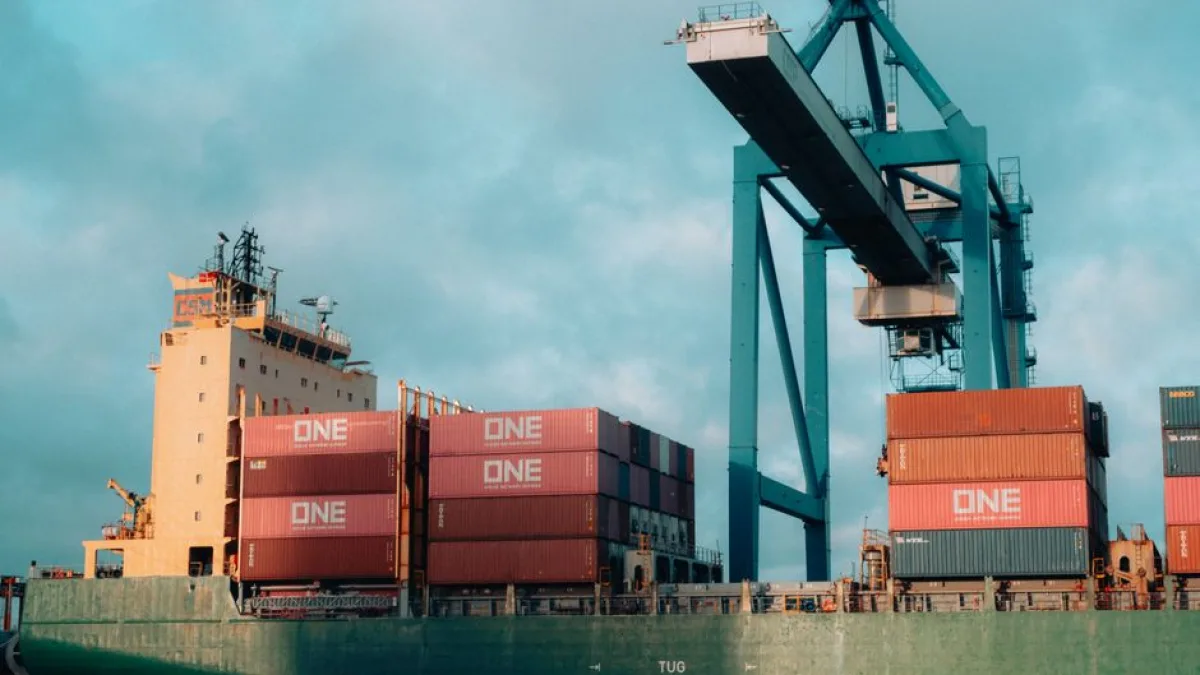
Automating daily operational tasks allows logistics teams to redirect their energy toward strategic client acquisition and service improvements. By removing repetitive data entry, your staff can focus on managing exceptions and building stronger relationships with carrier partners and valuable local shippers.
- Reduced manual error: Intelligent software platforms validate shipment data automatically to ensure that documentation remains accurate across every stage of the transit process for your global logistics clients.
- Faster document processing: Automated systems generate essential shipping documents in seconds rather than hours, which accelerates the entire booking process and reduces administrative delays for your busy team.
- Seamless data entry: Direct integrations with your existing carrier databases eliminate the need for redundant input and keep all shipment information consistent throughout the entire software ecosystem.
- Optimized task routing: Smart algorithms distribute specific work tasks to the most qualified team members automatically, ensuring that every shipment receives the attention it needs for success.
- Real time status: Updates are pushed automatically to your dashboard so that everyone remains informed about the latest movement of goods without requiring constant manual status checks.
Transitioning to automated workflows changes how a freight forwarding company functions on a daily basis. By centralizing operations within a cloud platform, your team eliminates information silos and creates a single source of truth for every shipment. This efficiency boost directly impacts your bottom line, as you spend less time fixing mistakes and more time serving the needs of your growing customer base effectively.
Seamless Carrier Integrations
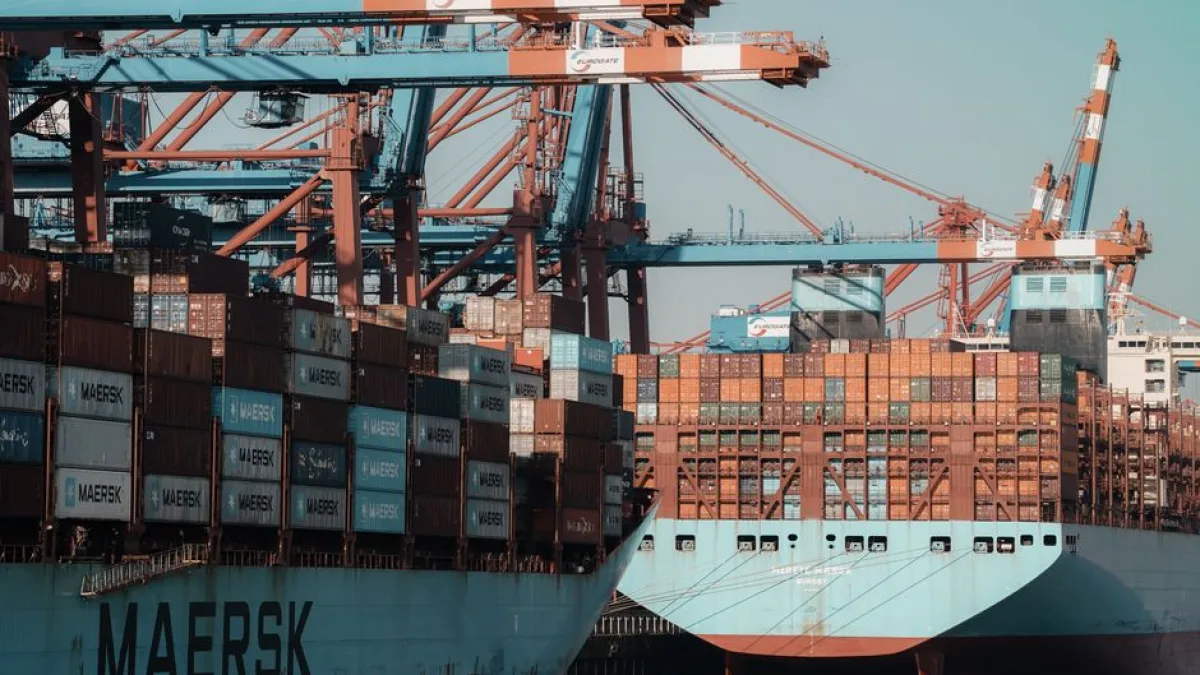
Connecting your logistics platform directly to carriers through APIs transforms how you view capacity. This connectivity ensures that you always have access to the latest schedules and pricing, which is critical for making fast decisions in a changing market.
- API based connectivity: Direct integration with global carrier networks allows for instant data synchronization, providing your team with accurate pricing and schedules for all international routes.
- Dynamic rate searching: Instantly compare carrier rates side-by-side to find the most cost-effective shipping options for your clients while maintaining high levels of service quality throughout.
- Automatic milestone tracking: Receive push notifications from carrier partners regarding cargo milestones so your team can proactively handle potential delays before they impact your end customers.
- Unified carrier portal: Manage multiple carrier relationships from a single interface instead of logging into various websites, which saves time and prevents unnecessary login credential frustration.
- Enhanced shipment visibility: Detailed tracking information flows directly into your software, giving your clients the transparency they demand from a modern professional logistics service provider.
Integrating with carriers effectively creates a unified digital bridge between your business and the global supply chain network. As you leverage these technical connections, you gain a significant edge over competitors who still rely on fragmented manual tracking methods. Investing in these digital bridges today will ensure your freight forwarding operation remains agile and highly responsive to future market fluctuations and demands.
Advanced Data Analytics

Business intelligence tools turn raw logistics data into actionable insights that drive smarter decisions. By analyzing historical shipment patterns, your firm can identify opportunities to cut costs, optimize transit routes, and improve the overall reliability of your logistics delivery network.
- Historical trend analysis: Review past shipment data to identify recurring patterns or bottlenecks that may be affecting your operational efficiency and overall profitability in the long run.
- Predictive performance modeling: Utilize advanced predictive algorithms to forecast future capacity needs and prepare your team for seasonal fluctuations in the global ocean freight market.
- Custom client reporting: Generate professional and detailed reports for your customers with just a few clicks to highlight your value and maintain high satisfaction levels.
- Profitability tracking tools: Monitor the specific costs and revenue associated with every shipment to ensure that your business remains profitable while offering highly competitive market rates.
- Strategic business insights: Transform complex operational logs into clean visual charts that help your management team understand exactly where your business is performing most effectively today.
Data analytics is the engine that powers informed growth for modern logistics companies. When you understand the underlying metrics of your operations, you can stop guessing and start scaling with confidence. By tracking key performance indicators in a centralized dashboard, your leadership team gains a clear view of operational strengths and weaknesses, allowing for rapid adjustments that keep your business profitable and lean.
Cloud Based Security

Protecting sensitive customer data is a critical responsibility for every freight forwarder. Cloud-based software provides enterprise-grade security features that safeguard your digital documents against unauthorized access while ensuring compliance with international data protection regulations and industry privacy standards.
- Encrypted data storage: All shipment records and financial documents are protected using advanced encryption standards to prevent unauthorized access and maintain strict data privacy for all users.
- Regular security updates: Automated system patches ensure your software platform is always protected against the latest cyber threats without requiring any manual installation by your team.
- Secure access controls: Granular user permissions allow you to restrict sensitive data access to specific team members, ensuring that security protocols are followed at all times.
- Automated system backups: Your valuable operational data is backed up automatically to redundant servers, preventing permanent information loss during unexpected hardware failures or localized network outages.
- Regulatory compliance support: Built-in features help your company stay compliant with global trade regulations and data governance laws by maintaining a detailed audit log of activities.
Investing in secure cloud infrastructure builds trust with your clients and protects your reputation. As cyber threats become more sophisticated, having a robust digital defense is essential for maintaining business continuity. By relying on professional cloud services, you ensure that your data is safe, accessible, and compliant, allowing your staff to work remotely and securely from any location across the globe.
Conclusion

Adopting a modern cloud-based software solution is the most effective way to modernize your freight forwarding operations. By embracing automation, integration, and data-driven insights, you position your firm to thrive in an increasingly digital industry. Start your transformation today by evaluating how your current technology stack can evolve to meet the high demands of the global supply chain. Success begins with smart technology.