Digital Transformation in Freight Forwarding: Leveraging Cloud Integrations
Saturday, October 10 2026
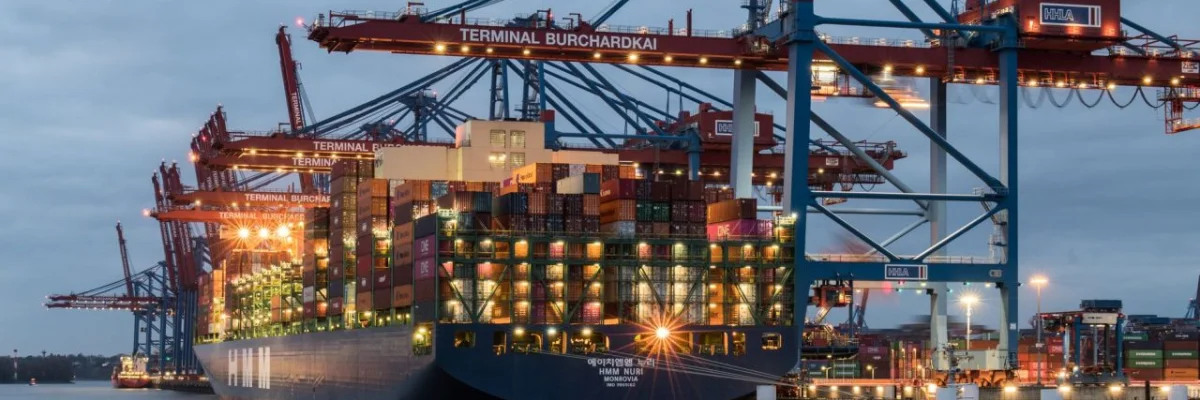
The global logistics landscape is undergoing a massive shift as freight forwarders move away from legacy manual processes toward interconnected digital ecosystems. Cloud-based platforms are no longer a luxury but a necessity for firms aiming to maintain competitiveness in an era of unpredictable supply chains. By integrating disparate software systems into one centralized hub, professionals can achieve real-time visibility, reduce human error, and accelerate document processing cycles. Adopting this technology allows teams to focus on strategic growth rather than data entry, ultimately driving better service quality for global shippers and partners across every single touchpoint in the transit lifecycle.
Optimizing Data Connectivity
Seamless data flow remains the backbone of modern logistics operations today. When freight management systems talk to customs platforms and carrier portals, the time spent manually updating spreadsheets vanishes, allowing for faster response times and more accurate inventory tracking for your valued shipping clients.
- Automated Data Syncing: Eliminate repetitive manual data entry tasks by allowing your cloud software to automatically sync shipment statuses directly from carrier APIs into your central management dashboard system.
- Unified Interface Access: Empower your logistics team to view all shipment documentation, customs declarations, and carrier schedules through one single, intuitive software interface that reduces system switching time.
- Reduced Operational Errors: Minimize the high risk of human error by utilizing automated data validation tools that catch discrepancies in bills of lading before they reach customs officials.
- Scalable System Infrastructure: Build a robust digital foundation that grows alongside your business by utilizing cloud architecture that supports unlimited data storage and concurrent user logins for teams.
By prioritizing connectivity, freight forwarders create a friction-free environment where information moves as quickly as the cargo itself. Removing barriers between communication channels leads to improved operational agility. When every department has access to a single source of truth, teams can resolve bottlenecks before they impact delivery timelines. This level of synchronization builds deeper trust with your partners and enhances overall performance metrics significantly.
Enhancing Supply Chain Visibility

Real-time visibility empowers forwarders to provide proactive customer service instead of reactive status updates. By integrating GPS data and satellite tracking, professionals can monitor cargo conditions and location, providing shippers with exact information during every stage of the transit.
- Live Cargo Tracking: Provide your clients with instant status updates by integrating live GPS tracking data directly into your customer portal for full transparency during transit legs.
- Proactive Exception Management: Utilize automated alerts that notify your team immediately when a shipment deviates from its planned path, allowing for rapid rerouting and contingency planning actions.
- Enhanced Client Reporting: Generate detailed performance reports for your shipping customers using data harvested from integrated tracking sources to showcase your consistent reliability and operational excellence standards.
- Predictive Arrival Forecasting: Leverage machine learning algorithms that analyze historical route data to provide accurate delivery estimates that keep your clients informed and satisfied at all times.
Visibility serves as the bridge between expectations and reality in the freight industry. When forwarders master the art of tracking, they turn information into a powerful competitive advantage that retains long-term business. Transparent operations allow clients to manage their own inventory more effectively, which reduces their overall risk and improves their trust in your brand as a reliable and modern global partner.
Streamlining Documentation Workflows

Paperwork remains one of the largest bottlenecks in traditional forwarding, but cloud-based document management changes the game. By automating the creation and filing of essential shipping documents, firms can save countless hours while maintaining perfect compliance with international trade regulations.
- Automated Document Generation: Create commercial invoices, packing lists, and delivery notes instantly by pulling relevant customer data directly from your digital platform to save time daily.
- Cloud Document Storage: Securely store all historical shipping files in a centralized cloud vault that allows for instant retrieval during customs audits or internal file reviews.
- Digital Signature Integration: Accelerate the approval process by utilizing integrated electronic signature tools that allow your clients to sign important documents from any location on earth.
- Compliance Monitoring Tools: Stay ahead of changing trade regulations by using built-in software compliance checks that ensure all your outgoing documents meet current regional legal requirements.
Digitizing documentation is the fastest path to increased internal efficiency. When your staff no longer spends hours filing or retyping information, they become free to focus on solving complex logistical challenges. This transition not only lowers administrative costs but also minimizes the stress of audit season. Investing in smart document tools provides a clear path to scalable growth in a modern market.
Strengthening Financial Management

Integrating financial modules with operational software ensures that every shipment is accounted for correctly and billed accurately. This prevents revenue leakage and provides managers with a clear view of company profit margins on every individual freight project managed.
- Automated Invoicing Systems: Generate invoices immediately upon shipment completion by using integrated workflows that capture all applicable charges and surcharges without needing manual financial data calculations.
- Real-time Profit Analysis: Review the profitability of each lane or customer account through dynamic financial dashboards that update as soon as shipping costs are recorded daily.
- Currency Exchange Automation: Manage complex international shipping costs with ease by utilizing automatic currency conversion tools that ensure your financial records are always accurate and current.
- Simplified Expense Reporting: Track operational expenses and carrier payouts in a unified system that generates comprehensive financial reports for your executive team with just a few clicks.
Financial clarity is essential for making informed business decisions that drive long-term profitability. By bridging the gap between operations and accounting, freight forwarders gain granular insights into their true costs and margins. This high level of financial control ensures that your business remains healthy and prepared for future investment opportunities. A well-integrated financial system is the engine that drives your entire organizational growth.
Conclusion
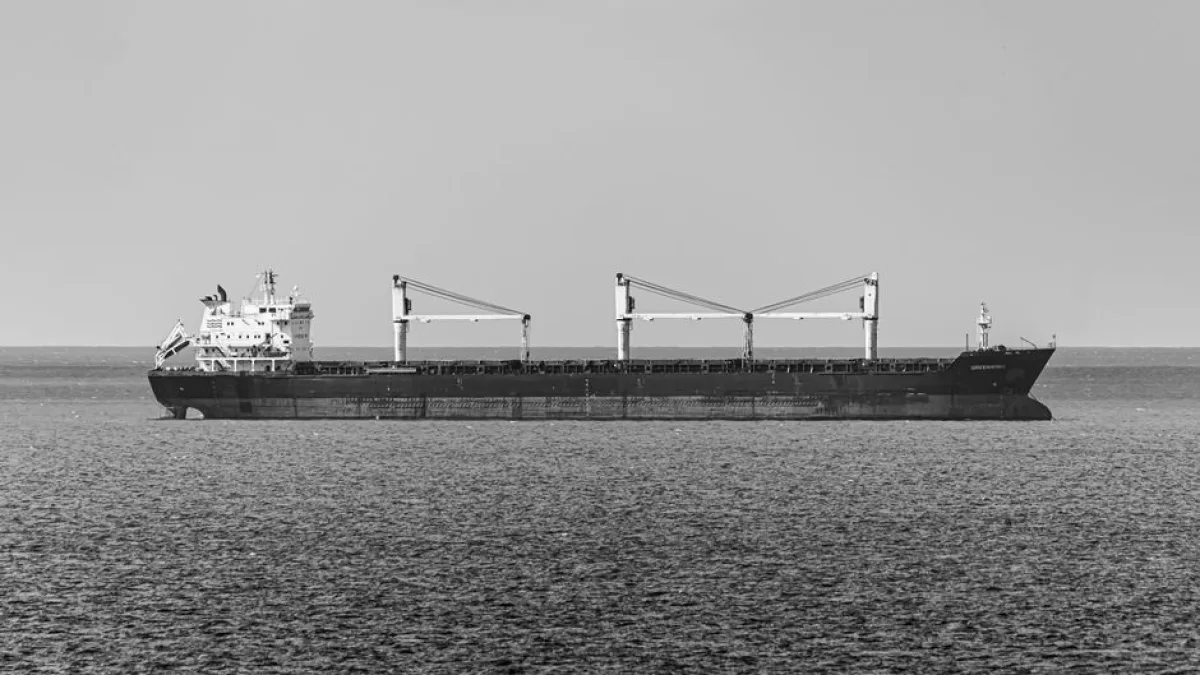
Adopting advanced technology and cloud integrations is the most effective way for freight forwarders to modernize their service offerings and scale operations. By automating manual tasks and increasing system transparency, firms can achieve greater efficiency while delivering superior value to their global customers. Start your digital transformation journey today by evaluating how your current software ecosystem can better support your long-term logistics business objectives.