Digital Transformation Trends Reshaping Global Freight Forwarding
Wednesday, October 14 2026

The global freight forwarding landscape is experiencing a radical shift as companies transition away from manual, paper-based workflows toward integrated digital platforms. As supply chain complexities increase due to geopolitical shifts and rising consumer demand for speed, forwarders must adapt or risk losing market share. Modern logistics requires real-time visibility, automated documentation, and seamless communication across every node of the transport network. By embracing advanced cloud technologies, firms can significantly reduce administrative overhead while enhancing the customer experience. This article explores how industry leaders are leveraging innovation to remain competitive and resilient in an increasingly data-driven global trade economy today.
Optimizing Supply Chain Visibility

Advanced tracking technology enables freight forwarders to provide clients with precise, real-time data regarding their cargo location and status. This transparency reduces the need for manual status updates and empowers stakeholders to make informed decisions quickly when unexpected disruptions occur during transit.
- Real-time shipment tracking: Modern platforms offer live updates that allow logistics teams to monitor cargo status across multiple carriers, ensuring that customers receive accurate and timely information every day.
- Automated status notifications: Reducing manual communication efforts, automated alerts provide instant updates to stakeholders, preventing misunderstandings and ensuring that all parties remain aligned throughout the entire shipment lifecycle.
- Predictive delay analytics: Utilizing historical data and machine learning, software helps forwarders anticipate potential transit issues before they escalate, allowing for proactive routing adjustments and better contingency planning strategies.
- Enhanced client communication: Digital dashboards foster stronger relationships by providing a centralized portal where clients can access documentation, track progress, and communicate directly with their dedicated service representatives.
- Data driven decision making: Centralizing logistics data allows managers to analyze performance metrics across different lanes, enabling them to identify bottlenecks and optimize their operational workflows for higher efficiency.
Achieving total visibility is no longer just a luxury but a fundamental necessity for modern logistics providers. Companies that invest in robust tracking tools gain a significant advantage by minimizing uncertainty for their clients. As digital ecosystems continue to evolve, those who master these tracking capabilities will undoubtedly lead the market by delivering consistent results and fostering deeper trust with every single customer interaction.
Automating Complex Customs Compliance

Navigating the labyrinth of international customs regulations requires precision and speed to avoid costly delays at borders. Automated compliance systems help forwarders manage documentation and ensure that all legal requirements are met, minimizing risks associated with human error or outdated information.
- Automated tariff calculations: Software solutions automatically compute accurate duties and taxes based on the latest international trade regulations, ensuring that all financial estimates provided to clients are precise.
- Document management systems: Storing and organizing essential shipping documents in a secure cloud environment simplifies the retrieval process, making customs audits faster and significantly less stressful for teams.
- Regulatory update alerts: Automated systems notify staff immediately when customs laws change, ensuring that all shipping operations remain fully compliant and avoiding potential fines or cargo seizures.
- Standardized data entry: By eliminating manual input, digital platforms ensure that shipping labels and commercial invoices are generated consistently, reducing the risk of clerical errors during clearance.
- Integrated compliance audits: Regular automated checks of shipping data help identify potential discrepancies before documents are submitted to authorities, saving valuable time and preventing expensive operational workflow delays.
Streamlining customs processes allows freight forwarders to focus on high-value tasks rather than repetitive administrative chores. By digitizing compliance, firms not only increase their throughput but also provide a safer, more reliable service to their global partners. Ultimately, this approach transforms the customs department from a bottleneck into a strategic asset that supports faster transit times and overall customer satisfaction improvements.
Enhancing Warehouse Operational Efficiency
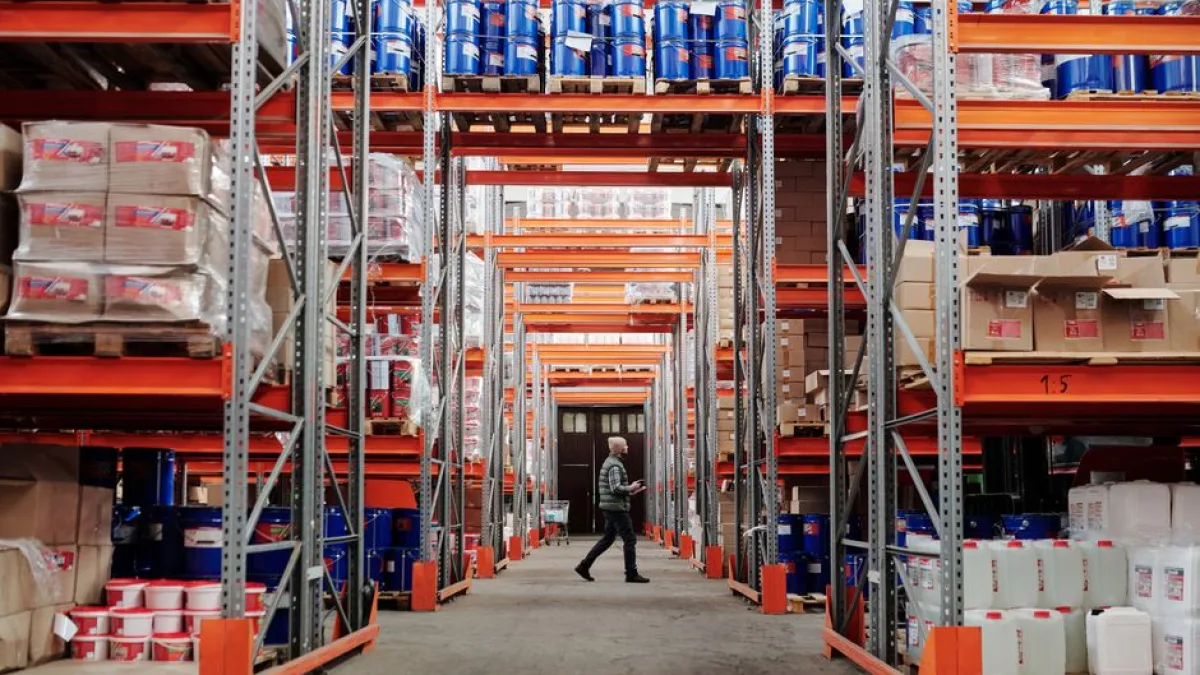
Efficient warehouse management is critical for balancing inventory flow and maintaining logistics velocity across global supply chains. By implementing cloud-based software, forwarders can synchronize their physical storage operations with their digital transport management tools for a truly unified logistics network experience.
- Dynamic inventory monitoring: Real-time stock visibility ensures that warehouse teams know exactly what is available, preventing overstocking while ensuring that items are ready for rapid outbound dispatch processes.
- Optimized picking routes: Intelligent software suggests the most efficient paths for personnel to follow inside the facility, reducing travel time and increasing the speed of order fulfillment.
- Automated warehouse reporting: Regular reports on operational throughput and space utilization allow managers to identify inefficiencies and make data-driven changes to improve overall facility performance metrics.
- Seamless carrier integration: Connecting warehouse systems directly to carrier platforms allows for automatic label generation and scheduling, ensuring that cargo moves out of the facility without unnecessary delays.
- Improved resource allocation: Analyzing demand patterns helps forwarders staff their warehouses appropriately, ensuring that labor is available during peak times while optimizing costs during slower operational cycles.
Modernizing warehouse workflows is essential for maintaining agility in a fast-paced market environment. When information flows freely between physical storage units and digital platforms, forwarders gain unprecedented control over their operations. This synergy allows for reduced overhead costs and faster turnaround times, ultimately creating a more responsive supply chain that can adapt to changing volume demands with ease and consistent professional precision.
Leveraging Advanced Data Analytics

Data is the backbone of modern freight forwarding, providing actionable insights that drive growth and operational excellence. By harnessing advanced analytics, companies can uncover hidden trends, optimize their pricing strategies, and better understand the unique needs of their diverse customer base globally.
- Strategic pricing optimization: Analytics tools help firms analyze historical market rates and competitor data, allowing them to set competitive prices that maximize margins while maintaining attractive service offerings.
- Customer behavior mapping: Tracking client interactions and shipping history provides valuable insights into service preferences, enabling forwarders to tailor their solutions for better retention and satisfaction levels.
- Operational performance tracking: Monitoring key performance indicators like transit times and error rates helps identify areas for improvement, ensuring that the company maintains high quality service standards.
- Market demand forecasting: Predicting future trade volumes based on historical data allows logistics providers to allocate capacity and resources effectively, preparing for shifts in the global economy.
- Financial reporting accuracy: Automated data collection ensures that all financial metrics are accurate and up to date, providing leadership with a clear view of business health.
The strategic use of data transforms raw numbers into a competitive advantage that fuels long-term business success. Freight forwarders who prioritize analytical capabilities are better equipped to navigate market volatility and capitalize on emerging opportunities. By adopting a data-centric mindset, professionals can move beyond reactive management and start proactively shaping the future of their logistics business through informed, intelligent decision-making processes.
Conclusion

The freight forwarding industry is undoubtedly evolving through rapid digital adoption and smarter operational practices. By integrating advanced software solutions, forwarders can boost efficiency, improve client transparency, and maintain compliance across complex borders. As the market continues to demand faster and more reliable services, embracing these technological shifts remains the most effective way to secure a sustainable future in global logistics operations today.