Digital Transformation Trends Reshaping Global Freight Forwarding
Sunday, October 25 2026
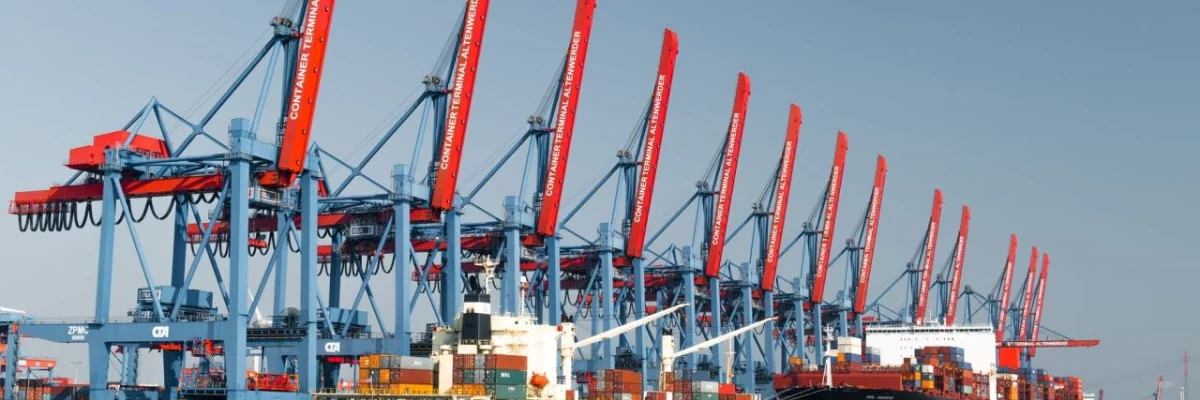
The global freight forwarding landscape is experiencing a rapid evolution driven by technological innovation and shifting consumer expectations. Traditional manual processes are being replaced by cloud-based software solutions that prioritize speed, transparency, and data accuracy across the entire supply chain. Professionals in the logistics sector must now adapt to these digital advancements to maintain a competitive advantage in a volatile international market. This article explores the critical trends and strategic adjustments required to modernize freight operations effectively, ensuring that forwarders can meet the complex demands of modern trade while optimizing their internal performance and profitability.
Embracing Cloud Logistics Software
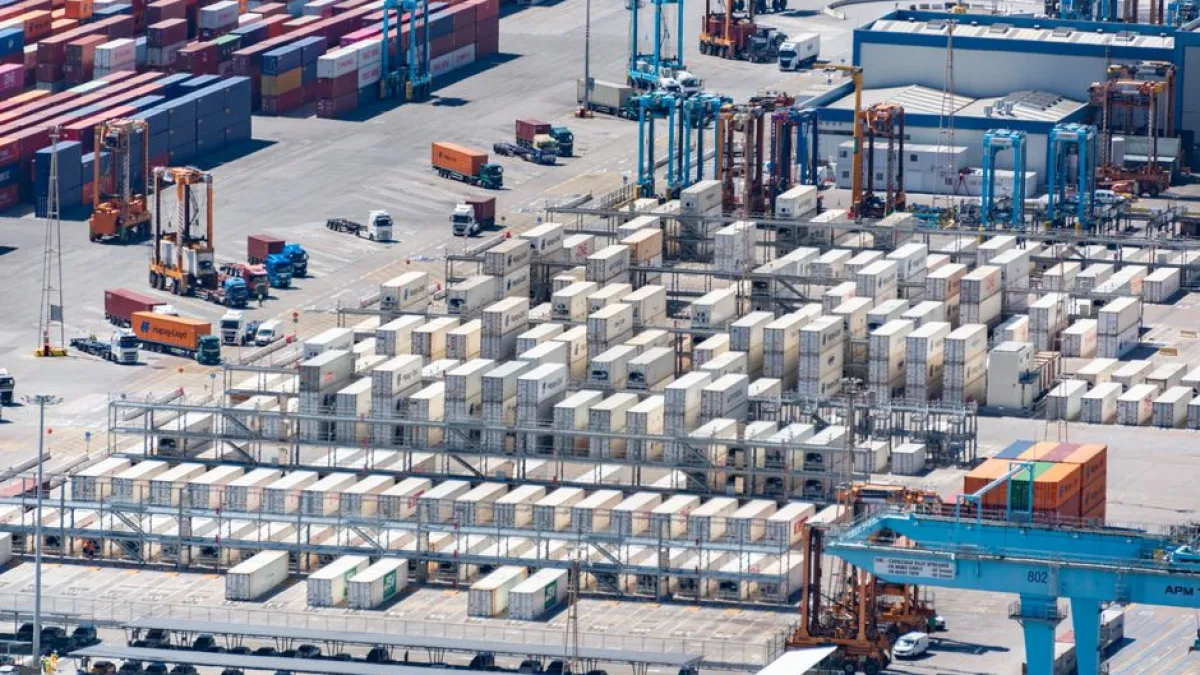
Modern cloud logistics platforms are essential for managing complex shipping workflows from any location. These tools provide real-time visibility into cargo movements, enabling teams to respond quickly to delays and client inquiries with precise information and automated reporting features.
- Seamless data integration: Modern platforms connect effortlessly with existing carrier systems to ensure that your shipment tracking information remains consistent and accurate across all available digital communication channels.
- Centralized operational dashboards: Bringing all shipment data into a single unified workspace allows logistics managers to oversee multiple global projects without switching between various disconnected software systems daily.
- Automated billing processes: Integrated invoicing modules reduce human error significantly by automatically generating accurate charges based on verified shipping weight and volume data entered into the system.
- Secure cloud storage: Keeping vital trade documents in a protected digital environment prevents physical loss and ensures that your team can access sensitive files during audits.
Adopting a comprehensive cloud logistics platform is no longer just a luxury for the largest companies in the sector. It is a fundamental requirement for forwarders aiming to survive and thrive. By streamlining your internal documentation and communication, you allow your team to focus on high-value client relationships rather than performing repetitive manual data entry tasks that drain your company resources over time.
Optimizing Supply Chain Visibility

Visibility is the backbone of modern freight forwarding services that build long-term trust with shippers. Accessing live status updates provides forwarders with the necessary intelligence to anticipate disruptions and communicate proactive solutions to their partners before small issues escalate.
- Real-time shipment tracking: Providing customers with live GPS coordinates allows them to monitor cargo progress and plan their inventory management strategies with much higher levels of certainty.
- Proactive exception management: Advanced alerts notify your operations team immediately when a container is delayed at a major port terminal or stuck in a customs queue.
- Predictive arrival estimates: Sophisticated data analysis tools calculate arrival times based on historical transit data and current weather conditions to provide more accurate scheduling information daily.
- Transparent communication channels: Automated customer portals allow your shippers to access their own data without needing to email your team for simple updates on cargo.
Superior visibility creates a transparent environment where clients feel informed and empowered throughout the transit process. When you invest in technologies that offer clear tracking and automated status updates, you reduce the workload on your support staff. This strategy helps foster deep client loyalty and positions your forwarding business as a reliable partner in an increasingly complex and interconnected global economy.
Leveraging Advanced Data Analytics

Data analytics transforms raw operational information into actionable insights that guide strategic business decisions. Forwarders who utilize these powerful tools can identify hidden inefficiencies within their current shipping routes and uncover new opportunities to reduce overhead costs significantly.
- Performance metric tracking: Analyzing average transit times helps your team identify which carriers provide the most reliable service levels for your specific import and export lanes.
- Cost reduction strategies: Visualizing spending patterns allows managers to negotiate better freight rates and eliminate wasteful expenditures that currently negatively impact your company profit margins.
- Trend forecasting models: Machine learning algorithms analyze seasonal demand fluctuations to help your team prepare for busy periods while ensuring sufficient capacity for your loyal clients.
- Operational bottleneck identification: Recognizing recurring delays at specific transition points allows you to proactively adjust routing choices before they impact your overall service delivery standards.
Utilizing analytical data is the most effective way to transition from a reactive model to a forward-thinking logistics organization. By evaluating your past performance through a systematic lens, you gain the clarity needed to optimize every future shipment. This approach ensures your business remains lean and profitable while consistently providing the high level of service your customers expect from a partner.
Enhancing Cyber Security Protocols

As the industry moves toward complete digitization, the risk of cyber threats increases for all logistics service providers. Protecting sensitive trade data and client financial information is now a critical responsibility that requires robust security measures and consistent internal training.
- Multi-factor authentication implementation: Adding an extra verification layer to every user account prevents unauthorized access and keeps your sensitive company and client information strictly confidential.
- Regular system audits: Scheduled security reviews help your IT team detect potential vulnerabilities within your software architecture before they can be exploited by malicious outside actors.
- Employee security training: Teaching your staff to recognize common phishing attempts is the best defense against social engineering attacks that target employees to gain network access.
- Encrypted data backups: Maintaining secure off-site backups of all operational databases ensures that your business can recover quickly from any unexpected hardware failure or breach.
Maintaining a secure digital environment is vital for maintaining your professional reputation in the modern logistics industry. Clients trust you with their most important assets and private data. By prioritizing security through comprehensive protocols and team education, you prove your commitment to integrity. This focus on reliability will help you secure larger accounts and grow your forwarding business with total confidence.
Conclusion

The future of freight forwarding belongs to those who embrace technological change with a positive mindset. By upgrading your systems and prioritizing digital visibility, you create a sustainable model for long-term growth. Stay ahead of industry shifts by consistently evaluating your internal workflows and adopting modern tools. Start your transformation today and ensure your company remains a leader in the global logistics market.