Digital Transformation Trends Reshaping Global Freight Forwarding
Wednesday, October 7 2026
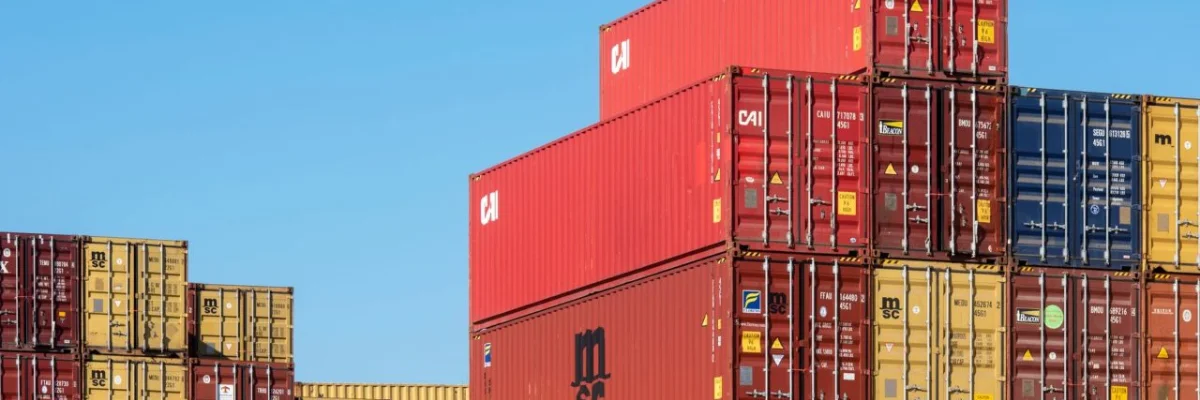
The global logistics landscape is undergoing a massive shift as freight forwarders transition from manual processes to integrated digital ecosystems. This movement is driven by the urgent need for visibility, speed, and real-time data access in an increasingly volatile supply chain environment. Forwarding firms that adopt cloud-based platforms are finding themselves better equipped to handle unexpected disruptions while simultaneously improving their operational margins. As technology continues to evolve, staying ahead of these trends is no longer a luxury but a fundamental necessity for businesses aiming to remain competitive and deliver consistent value to their global shipping partners and local clients.
Automated Documentation Workflows

Modern documentation processing relies on automated systems to eliminate human error and speed up customs clearance procedures significantly. These digital tools ensure that critical shipping paperwork moves seamlessly through the chain without the traditional bottlenecks associated with paper-based systems or manual data entry.
- Reduced manual errors: Automating data extraction from bills of lading minimizes mistakes that lead to costly delays during transit or final delivery phases of the international freight process.
- Faster document approval: Digital workflow management platforms enable team members to review and approve files instantly from any location, ensuring that shipments meet critical customs filing deadlines.
- Enhanced data accuracy: Centralized platforms provide a single source of truth for all shipping documents, ensuring that every stakeholder accesses updated information throughout the entire journey.
- Seamless system integration: Connecting documentation software with existing enterprise resource planning tools creates a unified environment that streamlines communication between departments and external logistics partners effectively.
By shifting to automated document workflows, freight forwarders gain a clear advantage in efficiency and client satisfaction. These digital improvements significantly reduce the time spent on administrative tasks, allowing teams to focus on high-value logistics operations and complex problem solving. As your business grows, the ability to scale your documentation processes through software becomes a vital component of long-term sustainable growth in logistics.
Real-Time Cargo Visibility

Real-time visibility tools provide comprehensive insights into shipment status, allowing forwarders to proactively manage transit expectations and communicate updates to clients. These tracking systems offer a transparent view of the entire global supply chain, minimizing uncertainty for every stakeholder involved.
- Live tracking updates: Integrated satellite systems provide precise location data for vessels and containers, giving forwarders the ability to monitor cargo progress during every stage of transit.
- Proactive disruption alerts: Automated notification systems warn teams about potential port congestion or severe weather events, allowing them to adjust routes and timelines before major issues occur.
- Customer portal access: Providing clients with a branded portal for tracking their own shipments increases transparency and reduces the volume of repetitive status check phone calls.
- Improved route optimization: Analyzing historical performance data helps logistics planners choose the most reliable routes for future shipments while maximizing cost efficiency and minimizing transit times.
Adopting advanced visibility solutions transforms how forwarders interact with their clients by fostering trust through transparency. When you provide accurate, up-to-the-minute updates, you build stronger professional relationships and establish your firm as a reliable partner. This commitment to data-driven service is what separates leading logistics providers from the competition in an industry where timing is always the most critical factor.
Cloud-Based Operational Platforms

Cloud-based software enables remote collaboration, allowing distributed teams to manage complex shipping logistics from anywhere in the world securely. These platforms serve as the backbone for modern forwarders, consolidating resources and facilitating instant communication across internal and external project teams.
- Global team collaboration: Cloud access ensures that your staff can manage operations seamlessly from different time zones, maintaining consistency throughout the entire shipment lifecycle for all clients.
- Enhanced data security: Professional cloud hosting providers implement strict security measures to protect sensitive shipment data and client information from cyber threats and unauthorized system access.
- Scalable infrastructure growth: As your forwarding business expands, cloud platforms allow you to add new users and features quickly without requiring massive investment in hardware infrastructure.
- Disaster recovery reliability: Storing logistics data in redundant cloud systems protects your business continuity during unforeseen technical failures or natural disasters at your physical office locations.
The transition to cloud-based operations represents a fundamental change in how freight forwarders handle daily tasks and manage their internal resources. This shift provides the flexibility needed to thrive in a global market that never sleeps. By utilizing cloud technology, you ensure that your team remains connected and productive regardless of their physical location or the current state of global operations.
Advanced Data Analytics Tools

Utilizing advanced data analytics allows freight forwarders to turn raw shipment numbers into actionable intelligence for long-term strategic decision-making and cost management. These insights help firms optimize their pricing strategies and identify new opportunities for service expansion across various international trade lanes and shipping markets.
- Strategic cost analysis: Detailed reporting on transportation expenses helps you identify areas where operational costs can be reduced without sacrificing service quality for your shipping customers.
- Performance benchmarking tools: Comparing your service speed and carrier reliability against industry standards helps you refine your partner network and improve your overall competitive positioning today.
- Predictive demand modeling: Analyzing past shipping volumes helps you forecast future market trends, enabling better resource allocation and proactive capacity planning throughout the busy peak seasons.
- Client profitability tracking: Identifying which routes and shipping modes offer the best return on investment allows you to focus your sales efforts on the most profitable markets.
Leveraging the power of data analytics empowers forwarders to make decisions based on clear evidence rather than simple intuition. By understanding your operational performance in granular detail, you can optimize every aspect of your service offerings and enhance your firm's profitability. Start analyzing your shipment data today to discover the hidden efficiencies that will drive your business success throughout the coming fiscal year.
Conclusion

The rapid digital transformation of the freight forwarding industry offers unparalleled opportunities for companies willing to embrace modern software solutions. By adopting automated workflows, real-time visibility, cloud connectivity, and data analytics, your firm can achieve higher efficiency and client trust. Stay ahead of these shifting industry trends by integrating these tools into your daily operations and secure your position in the future logistics landscape.