Elevating Client Experience with a Digital Freight Forwarding Portal
Saturday, July 25 2026

In the modern logistics landscape, freight forwarders face increasing pressure to provide instant visibility and seamless communication to their global client base. Moving away from manual email chains and fragmented spreadsheets is no longer optional for firms aiming to maintain competitive margins and high service levels. By adopting a dedicated customer portal, logistics providers can centralize documentation, automate status tracking, and empower clients with self-service capabilities. This digital transformation not only reduces the administrative burden on your operations team but also significantly enhances the overall transparency and trust within the professional partnership between your agency and your diverse shipping clients.
Centralized Document Management

Managing shipment paperwork across multiple email threads is prone to errors and delays. A centralized portal provides a single source of truth where all bills of lading, invoices, and customs declarations are stored securely for both the forwarder and the shipper.
- Automated file organization: Our software automatically categorizes uploaded documents by shipment ID, ensuring your staff spends less time searching through folders and more time managing complex logistics exceptions.
- Instant client access: Clients retrieve their essential shipping documents at any time of the day without needing to request copies from your support team via telephone.
- Secure document sharing: Every file upload utilizes enterprise grade encryption protocols to ensure that sensitive financial and trade data remains protected from unauthorized access or external data breaches.
- Version control tracking: The system logs every change made to a document, providing a clear history of updates to prevent confusion regarding final shipping instructions or commercial invoices.
By digitizing your documentation workflow, you create a professional environment that minimizes repetitive administrative tasks and reduces the likelihood of manual filing errors. This shift toward a paperless environment allows your team to focus on proactive problem solving rather than reactive document hunting. Your clients will appreciate the professional presentation and the reliable, always available access to their critical trade compliance records.
Real Time Shipment Visibility

Providing clients with precise, real time updates regarding their cargo location transforms the customer relationship. Instead of fielding constant status inquiries, your forwarders can rely on automated notifications that keep every stakeholder informed during every single phase of transit.
- Live tracking map: Integrated GPS data displays the exact geographic location of shipments on an interactive world map for total peace of mind throughout the transit process.
- Automated milestone updates: The portal triggers automatic email and dashboard alerts whenever a shipment hits a key milestone like vessel departure or final customs clearance completion.
- Exception management alerts: Proactive notifications warn your clients about potential port congestion or weather delays before they escalate into significant supply chain disruptions for their daily operations.
- Integrated carrier data: The platform aggregates status feeds from multiple shipping lines and air carriers into one unified view to ensure consistent information across different transport modes.
Visibility serves as the backbone of modern freight forwarding, turning opaque logistics processes into transparent business value. When your clients can monitor their shipments without manual intervention, they feel more in control of their own supply chain planning. This automated approach effectively eliminates the communication gap that frequently causes friction, ultimately leading to higher satisfaction rates and stronger long term retention.
Streamlined Communication Channels
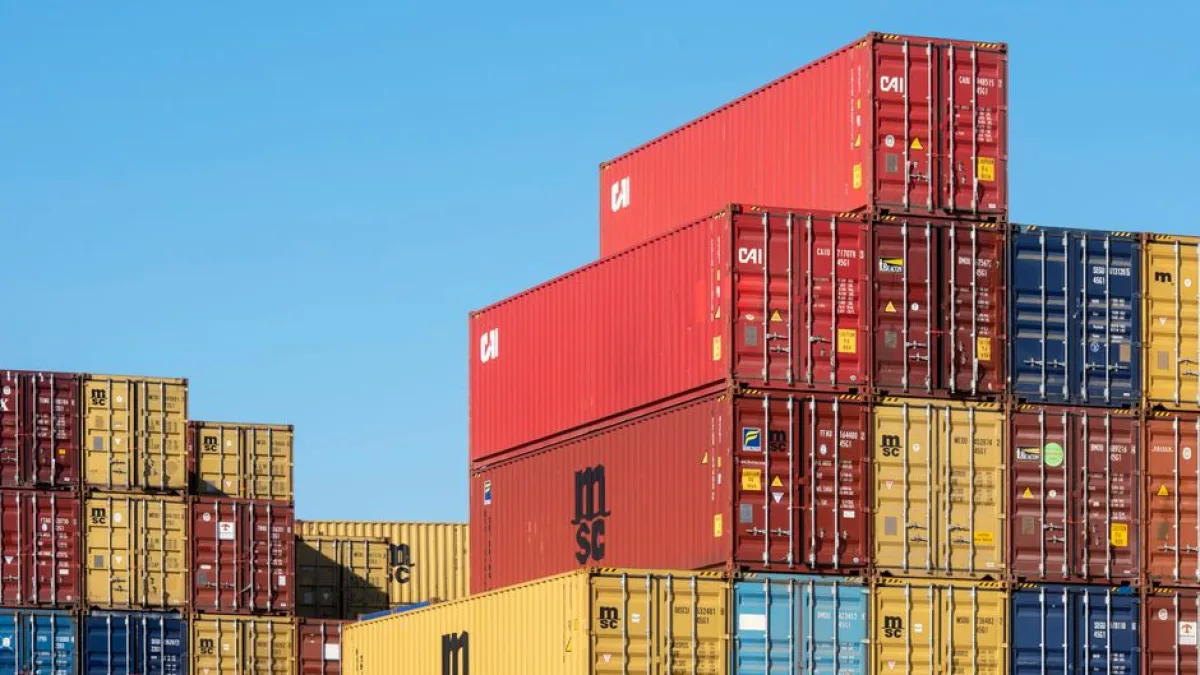
Effective communication is the lifeblood of successful freight forwarding operations. A dedicated portal integrates chat and messaging features directly within the shipment context, ensuring that all correspondence remains organized, searchable, and accessible to the relevant project stakeholders at all times.
- Contextual shipment chat: Conversations are pinned directly to specific shipment records, allowing team members to view historical notes and previous instructions without digging through endless internal email threads.
- Direct task assignment: Forwarders can assign specific questions or documentation requests to clients through the portal, which creates a clear audit trail for every action required.
- Instant messaging alerts: Users receive notifications when a new message appears in their portal, preventing critical inquiries from becoming buried in an overcrowded daily email inbox.
- Collaborative note sharing: Multiple stakeholders from both sides can contribute to shipment notes, fostering a collaborative environment that speeds up decision making during complex logistics movements.
Moving communication into a digital portal prevents critical information from being lost in the noise of daily email traffic. This structured approach ensures that every request is addressed efficiently and that all parties are aligned on the current status of each project. By centralizing your interactions, you create a professional standard for service that elevates your brand and builds lasting trust.
Advanced Analytics and Reporting

Data driven insights provide the foundation for strategic logistics planning. A powerful customer portal allows your clients to generate detailed performance reports, helping them identify trends in their shipping costs and carrier performance over specific fiscal periods or trade lanes.
- Customizable report generation: Clients select specific data fields to build personalized reports that track their key performance indicators, helping them optimize their freight spend and shipping strategies.
- Cost trend analysis: Visual graphs illustrate month over month freight spending patterns, allowing shippers to identify potential savings opportunities and negotiate better rates for their high volume lanes.
- Carrier performance metrics: The system tracks on time delivery percentages and transit time consistency for different carriers to help clients make informed decisions about their logistics partners.
- Exportable data formats: Users can easily export analytical data into CSV or PDF formats for integration with their internal accounting software or for executive level business presentations.
Offering analytical tools provides immense value beyond basic shipment tracking by helping clients optimize their own business processes. When you become a partner that supplies actionable intelligence rather than just moving freight, you position your firm as an indispensable part of their supply chain. This strategic partnership model helps you justify your service value and secure long term client loyalty.
Conclusion

Implementing a customer portal is the most effective way to modernize your freight forwarding services and scale your operations. By providing visibility, document management, and analytical tools, you empower your clients while drastically reducing your own internal administrative workload. Start building a better client experience today by choosing a software partner that prioritizes intuitive design and robust digital features for all your logistics needs.