Elevating Client Experience with a Modern Freight Forwarding Customer Portal
Sunday, September 13 2026

In the fast-paced world of logistics, manual updates and endless email chains are becoming relics of the past. Clients today demand real-time visibility, instant access to documentation, and seamless communication at their fingertips. A robust customer portal serves as the digital front door to your freight forwarding business, transforming how you interact with shippers and partners. By centralizing operations within a secure cloud-based platform, forwarders can significantly reduce administrative overhead while enhancing trust. Embracing this technological shift is no longer just an optional upgrade but a core requirement for staying competitive in a rapidly evolving global supply chain market.
Streamlined Shipment Tracking
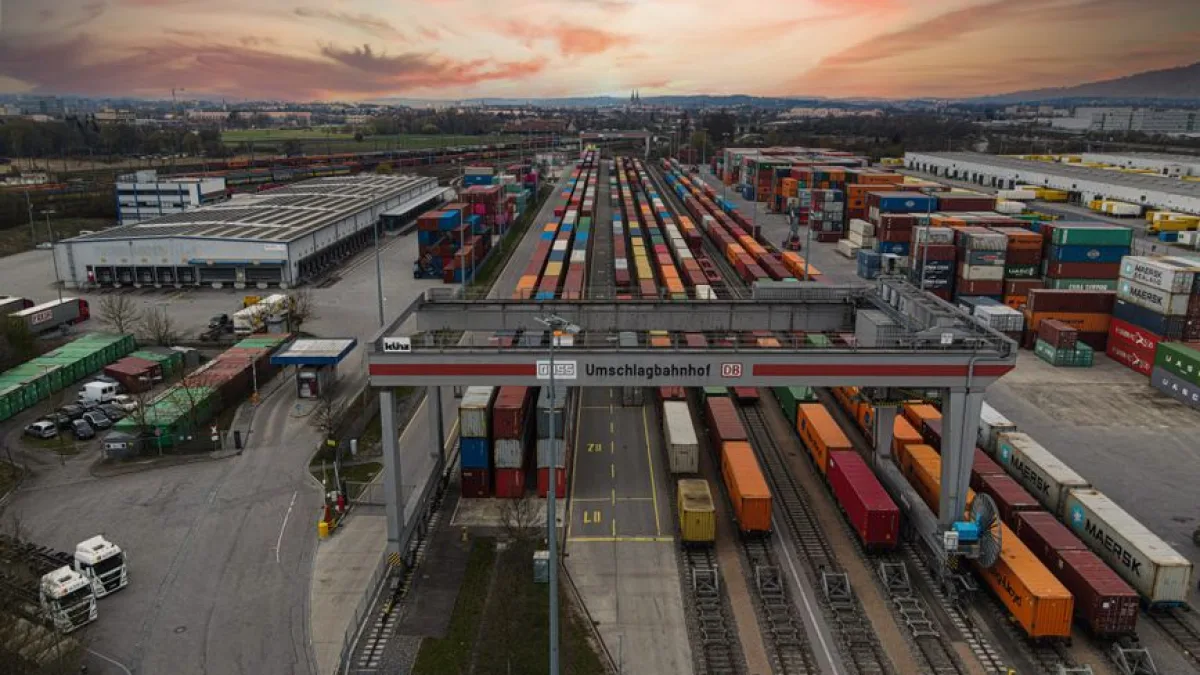
Real-time visibility is the primary expectation of every modern shipper who values transparency. By providing a dedicated portal, you allow your clients to track their shipments without waiting for a manual status update from your busy operations team.
- Automated status updates: Receive automatic triggers and push notifications that inform your clients exactly where their cargo is located, removing the need for time-consuming check-in phone calls or emails.
- Live location mapping: Access interactive dashboards that display current vessel or aircraft positions, providing clear geographical context and peace of mind to stakeholders throughout the entire shipping process.
- Detailed event logs: Review a comprehensive history of every milestone reached by the shipment, from initial pickup at the factory to the final destination delivery at the warehouse.
- Milestone alert customization: Empower your customers to select which specific shipping updates they wish to receive via email or portal notifications, ensuring they stay informed without experiencing notification fatigue.
Investing in automated tracking technology saves your staff countless hours spent fielding status requests. When clients can access their shipping data instantly, they develop a higher level of trust in your agency. This shift toward self-service visibility reduces human error in status communications and allows your team to focus on solving complex logistical challenges rather than repeating basic information to multiple different clients.
Digital Document Management

Managing documents such as bills of lading, commercial invoices, and packing lists is a notorious source of friction. A centralized portal eliminates lost emails by providing a secure repository for all essential shipping documents throughout the lifecycle of the cargo.
- Centralized document hub: Store all essential shipping paperwork in a single secure location that is accessible to authorized users around the clock from any device or physical location.
- Version control precision: Maintain absolute accuracy by ensuring that all stakeholders are viewing the most recent versions of legal documents, preventing costly errors caused by outdated file copies.
- Secure document upload: Allow your clients and partners to upload necessary trade documents directly into the portal, streamlining the flow of information for customs clearance and compliance checks.
- Instant search capabilities: Locate historical shipping documents in seconds by utilizing advanced search and filter functions based on container numbers, shipment references, or specific date ranges for auditing.
Digitizing your paperwork process creates a clean audit trail that is essential for international trade compliance. Your clients will appreciate the convenience of downloading their own documents, and your back-office team will benefit from a significant reduction in filing tasks. This digital transition effectively turns your document management from a liability into a highly efficient asset for your logistics operation.
Enhanced Client Communication

Communication breakdowns remain one of the biggest hurdles in global freight forwarding. An integrated messaging system within your portal keeps all shipment-related conversations in one place, preventing important details from being buried inside cluttered personal email inboxes forever.
- Contextual chat functions: Facilitate direct communication between your staff and your clients on a per-shipment basis, ensuring that every message is associated with the correct cargo record immediately.
- Unified communication logs: Keep a complete transcript of all discussions related to specific shipments, which protects your agency if disputes occur and improves internal team knowledge sharing.
- Reduced email dependency: Minimize the sheer volume of inbox traffic by moving status inquiries and feedback into the portal, helping your team maintain a cleaner and more organized.
- Task management integration: Assign specific action items directly to portal users to ensure that required tasks are completed by the right person at the right time every single day.
When communication happens within the software, you maintain a single source of truth for every project. This prevents misunderstandings and ensures that every team member has access to the same context. By streamlining your internal and external dialogues through a structured portal, you foster stronger relationships and ensure that no critical instruction or update ever gets overlooked during busy shipping seasons.
Actionable Data Analytics

Data is the backbone of informed decision making in modern supply chain management. A customer portal that provides performance insights gives your clients a competitive advantage, turning your logistics services into a strategic partnership rather than just a simple utility provider.
- Shipping performance reports: Generate customized analytical reports that highlight shipping costs, lead times, and carrier performance, helping your clients identify areas where they can optimize their supply chain.
- Cost breakdown visualization: Provide transparent views of all freight charges and incidental costs so that clients understand exactly how their shipping budget is being spent on every lane.
- Trend analysis tools: Detect seasonal shipping patterns and volume shifts early by leveraging historical data, allowing your customers to plan their inventory cycles with much greater overall accuracy.
- Custom export capabilities: Export clean datasets in various formats like CSV or Excel to allow for deeper internal analysis within your clients' own preferred business intelligence software platforms.
Providing these analytics builds massive value for your firm beyond just moving containers. When you help your customers understand their own logistics trends, you become an indispensable partner in their long-term growth. Use the insights generated by your portal to hold quarterly business reviews, demonstrating your commitment to their success and cementing the partnership for years to come in this competitive market.
Conclusion
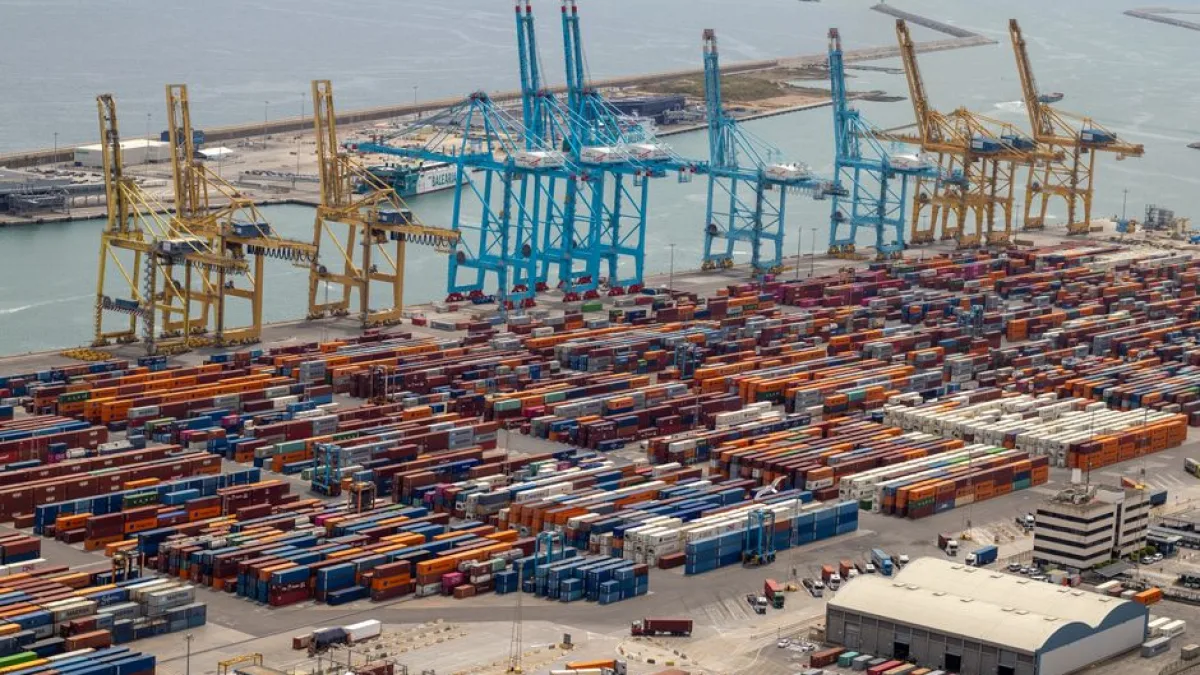
Adopting a customer portal is the most effective way to modernize your freight forwarding business and meet the demands of today's digital shippers. By improving visibility, simplifying documentation, and enhancing communication, you create a superior experience that sets your company apart. Start implementing these tools today to drive efficiency, foster long-term client loyalty, and ensure your logistics operations remain agile and fully optimized.