Empowering Clients with a Modern Freight Forwarding Customer Portal
Tuesday, October 13 2026

Modern logistics providers face increasing pressure to deliver real time visibility and digital agility to their global partners. Relying on manual updates and email chains is no longer sustainable in a fast paced global market where transparency is the baseline expectation. Implementing a dedicated customer portal allows forwarders to move beyond basic service and establish true digital partnerships with their clients. By centralizing documentation, shipment tracking, and financial data within a secure platform, freight companies can reduce administrative overhead while significantly improving the quality of the customer experience for every single stakeholder involved in the complex international supply chain.
Real Time Shipment Transparency
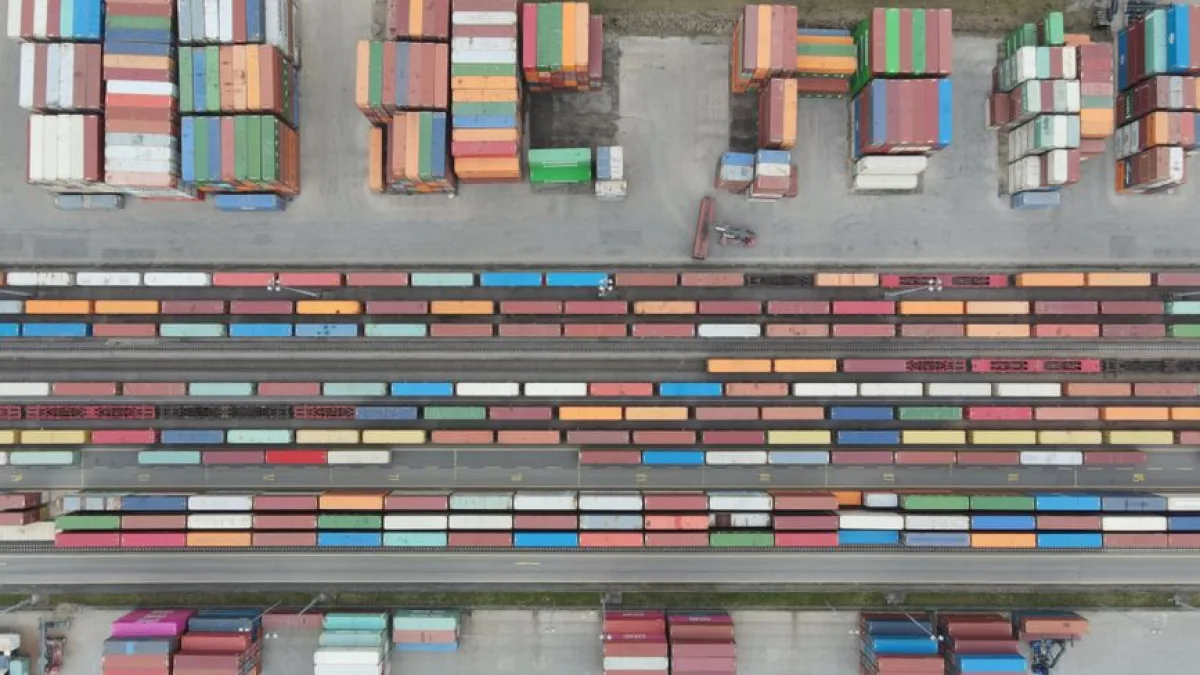
Visualizing the entire supply chain journey is critical for clients who manage high volumes of time sensitive cargo. A digital portal transforms raw tracking data into actionable insights, helping stakeholders stay informed about every milestone from warehouse departure to final delivery.
- Automated status updates: Clients receive instant notifications regarding their shipment milestones without needing to call or email your team members, effectively reducing the volume of status inquiries handled daily.
- Live map tracking: Integrate GPS and satellite data directly into the user interface to provide clients with a visual representation of their goods in transit across the world.
- Interactive milestone alerts: Configure custom triggers that notify stakeholders when cargo reaches specific checkpoints, ensuring that everyone remains updated throughout the entire lifecycle of the international logistics movement.
- Historical journey logs: Maintain a complete and searchable audit trail of all previous shipments to help clients analyze historical lead times and improve their future supply chain planning.
Providing direct access to shipment progress turns a reactive communication process into a proactive partnership. When clients can see the status of their freight on their own schedule, your team saves valuable time previously spent on status reporting. This transparency builds trust and establishes your brand as a reliable leader in the logistics industry, which ultimately results in higher long term client retention rates.
Streamlined Digital Documentation

Eliminating physical paper trails is a primary benefit of adopting cloud based logistics software. Digital document management keeps sensitive commercial invoices, packing lists, and bills of lading organized in one central location for easy retrieval by authorized users at all times.
- Secure cloud storage: Centralize all shipment documents in a single digital repository that ensures compliance and protects sensitive data from unauthorized access or accidental physical storage loss.
- Instant document sharing: Enable clients to download essential export and import paperwork immediately, removing the delay often associated with traditional email communication methods between partners and freight agents.
- Digital signature integration: Facilitate faster business processes by allowing partners to sign and approve critical documents electronically, which speeds up the customs clearance process for international shipments.
- Searchable document library: Provide advanced filtering tools so clients can locate specific invoices or shipping documents by date, reference number, or document type in seconds flat.
Digital documentation management revolutionizes how your company interacts with shipping records by eliminating the need for bulky physical files. By organizing these documents within a portal, you help your clients maintain their own compliance requirements while simultaneously simplifying the administrative tasks that typically burden your operational staff. This shift towards paperless operations is an essential step for scaling your logistics business effectively.
Financial Clarity and Invoicing

Financial transparency ensures that your clients can monitor their logistics costs without ambiguity or confusion. Providing an online dashboard for viewing invoices, payment histories, and credit status creates a frictionless environment that supports faster payments and improved cash flow management.
- Real time invoice access: Allow clients to view and download their invoices as soon as they are generated by your accounting system, removing manual mailing or emailing procedures.
- Secure payment processing: Integrate trusted payment gateways directly into the portal, enabling your clients to settle balances instantly using their preferred digital payment methods and methods.
- Credit status visibility: Keep your partners informed about their current credit limits and remaining balances to prevent any unexpected service interruptions caused by outstanding financial obligations or delays.
- Itemized cost breakdown: Display detailed charges for each shipment, such as fuel surcharges and handling fees, to reduce invoice disputes and clarify how final pricing is calculated.
Optimizing the financial lifecycle of a shipment is just as important as the physical delivery itself. By offering a transparent financial dashboard, you encourage better payment habits and minimize time spent chasing late invoices. Clients appreciate the professional clarity this brings to their accounting, and your finance team will benefit from the increased efficiency of managing all payments within a single unified platform.
Enhanced Communication and Support

Effective communication is the cornerstone of any successful freight forwarding relationship. Providing a structured channel for queries and support requests ensures that no client message is missed and that your team responds to every inquiry with speed and precision.
- Integrated messaging platform: Replace fragmented email chains with a centralized chat system that links specific messages directly to a shipment file, keeping the context perfectly clear for everyone.
- Service request tickets: Allow clients to submit specific requests for quotes or troubleshooting help through a structured form that routes inquiries to the correct department immediately.
- Announcement board updates: Post important news about port congestion, weather delays, or operational holidays to keep your entire client base informed without needing to send individual emails.
- User profile management: Grant your clients control over their own user permissions so they can manage which employees see which shipments, adding another layer of security and convenience.
Structured communication channels prevent information silos and ensure that every interaction is recorded for future reference. When clients feel supported and connected, they are more likely to view your freight forwarding business as a core asset to their success. By leveraging this technology, you provide a premium service level that differentiates your firm from competitors who still rely on legacy communication methods.
Conclusion

Integrating a modern customer portal is a critical step for freight forwarders aiming to increase efficiency and client satisfaction in a digital era. By centralizing tracking, documentation, finances, and communication, you deliver a professional experience that drives growth. Embracing these advanced tools allows your team to focus on high level strategy while your clients enjoy a seamless, transparent, and superior logistics service journey.