Empowering Your Clients with a Modern Customer Portal
Wednesday, July 29 2026

In the fast-paced world of logistics, freight forwarders are under constant pressure to provide real-time updates and seamless digital experiences. Modern clients no longer settle for manual email threads or fragmented communication logs to track their shipments. By integrating a dedicated customer portal into your operations, you shift from being a reactive service provider to a proactive logistics partner. This transition not only enhances transparency but also builds lasting trust with your customers by giving them full autonomy over their supply chain data at any hour of the day.
Centralizing Communication Channels

A centralized dashboard acts as the heartbeat of your digital operations by eliminating the need for scattered spreadsheets. By consolidating every shipment detail in one secure location, you provide your clients with the clarity and professional reliability they demand today.
- Unified data access: Clients can view all active and completed shipment details from a single screen, reducing the volume of status inquiries and manual updates sent to your team.
- Instant messaging features: Integrated chat tools allow customers to ask specific questions about individual cargo items, ensuring communication remains attached to the relevant shipment record for later review.
- Document management storage: Store invoices, bills of lading, and customs clearance documents within the portal to ensure your clients can download files whenever they need them without delays.
- Automated status alerts: Configure the system to push notifications regarding milestone changes, keeping your customers informed of their cargo journey without requiring any manual effort from your staff.
By bringing communication into a single interface, you drastically reduce the friction typically associated with international shipping. Your team spends less time digging through cluttered email inboxes and more time focusing on strategic logistical planning. This shift empowers your clients to find the answers they need instantly, which creates a more professional reputation for your business and drives higher long-term satisfaction ratings.
Enhancing Real-Time Shipment Tracking
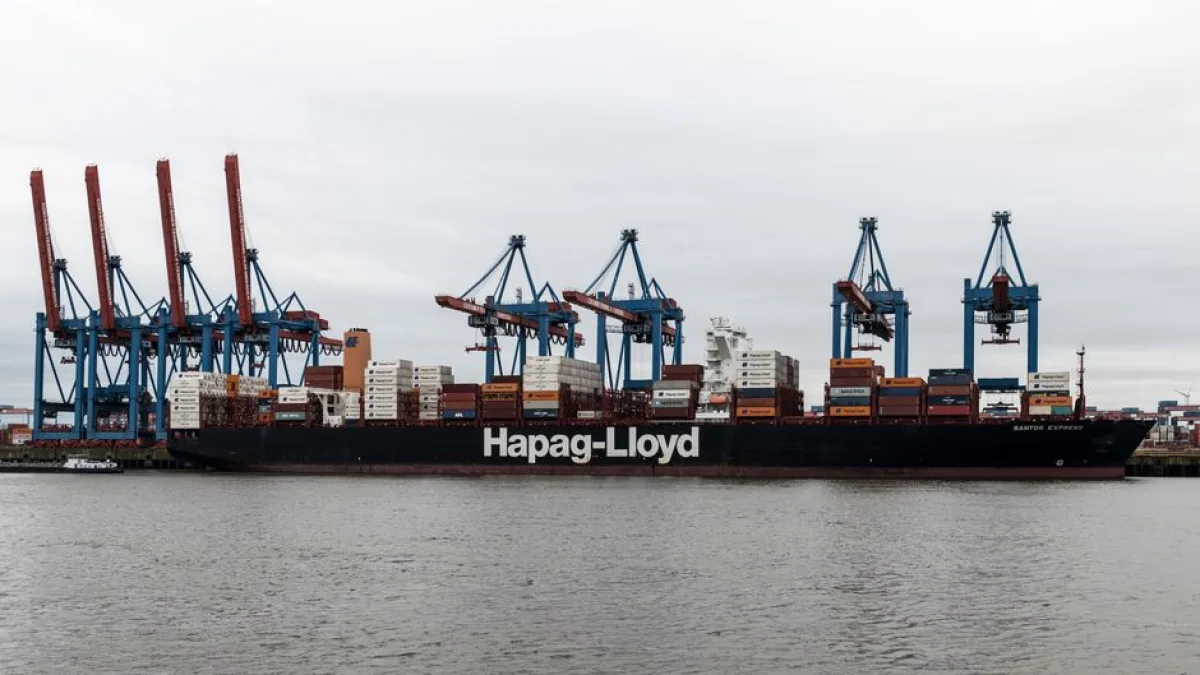
Transparency remains the most critical factor in retaining logistics clients. Providing live tracking data allows your customers to monitor their inventory journey across the ocean, ensuring they can plan their downstream warehouse operations with high levels of operational precision.
- Live GPS updates: Give your customers the peace of mind they need by showing exact vessel locations through integrated mapping services that pull data directly from carriers.
- Milestone tracking visibility: Display specific journey stages like port arrival, customs clearance, and final mile delivery to provide a comprehensive view of the entire supply chain process.
- Exception management alerts: Notify clients immediately when delays or deviations occur, allowing them to adjust their inventory expectations before the cargo even arrives at the destination.
- Historical data logging: Enable users to review past shipment routes and performance metrics to help them make better procurement decisions for their future logistics business needs.
Real-time tracking capabilities transform a basic logistics service into a premium digital offering. When clients have the power to see their cargo moving through the supply chain at any time, their anxiety levels drop significantly. This visibility reduces the necessity for check-in calls, allowing your operations team to handle complex logistics challenges rather than answering simple questions about basic shipment status.
Automating Document and Invoice Workflows

Managing manual paperwork consumes valuable time that your team could spend on high-value tasks. Automating your document exchange through a portal allows for a paperless operation, ensuring accuracy and speed across every billing cycle and customs declaration process.
- Digital invoice generation: Allow clients to view, download, and track the status of their invoices within the platform, ensuring payments are processed faster and without any confusion.
- Secure document upload: Provide a safe channel for your clients to share sensitive documents, such as certificates of origin, directly through the encrypted portal environment for safety.
- Version control features: Eliminate errors caused by using outdated files by ensuring only the latest version of any document is available for download within the client account.
- Custom report exports: Let your clients generate their own performance reports or financial summaries on demand, saving your accounting department from tedious requests and manual data entry.
Transitioning to an automated document workflow reduces the human errors that often plague manual customs brokerage and billing procedures. When documents move seamlessly from your portal to the client, the administrative burden on your staff vanishes. This digital efficiency enables your company to handle higher volumes of freight without needing to constantly scale your administrative team, ultimately increasing your overall profit margins.
Scaling Business with Customer Autonomy

Giving clients the tools to manage their own needs leads to a more scalable business model. As your client base grows, the portal ensures that your service quality remains consistent without requiring your team to increase their daily workload proportionally.
- Self-service account profiles: Allow users to update their own contact information and preferences, ensuring your database remains current without requiring manual updates from your internal administrative staff.
- User permission levels: Define access for different stakeholders, ensuring that management sees financial reports while warehouse staff only see the shipment tracking data they strictly require.
- Seamless system integration: Connect your existing ERP or accounting software to the portal to ensure data flows automatically, eliminating the risk of mismatched shipping information records.
- Personalized client dashboard: Configure the interface to highlight specific metrics that matter most to each individual client, making their daily experience more relevant and highly efficient.
Scaling your freight forwarding business successfully requires moving away from labor-intensive manual processes toward scalable software solutions. By investing in a customer portal, you empower clients to take control of their logistics experience while you focus on growth. This technology allows you to maintain high standards of service even during peak seasons, ensuring your logistics operations remain agile, responsive, and ready for expansion.
Conclusion

Adopting a customer portal is no longer just a luxury for freight forwarders, but a necessity for surviving in a digital industry. By centralizing communication, providing real-time data, and automating your core document workflows, you position your brand as a technology leader. Start building your digital competitive advantage today by choosing a software platform that puts the power back into your clients hands.