Essential Best Practices for Modern Freight Forwarding Operations
Saturday, September 12 2026
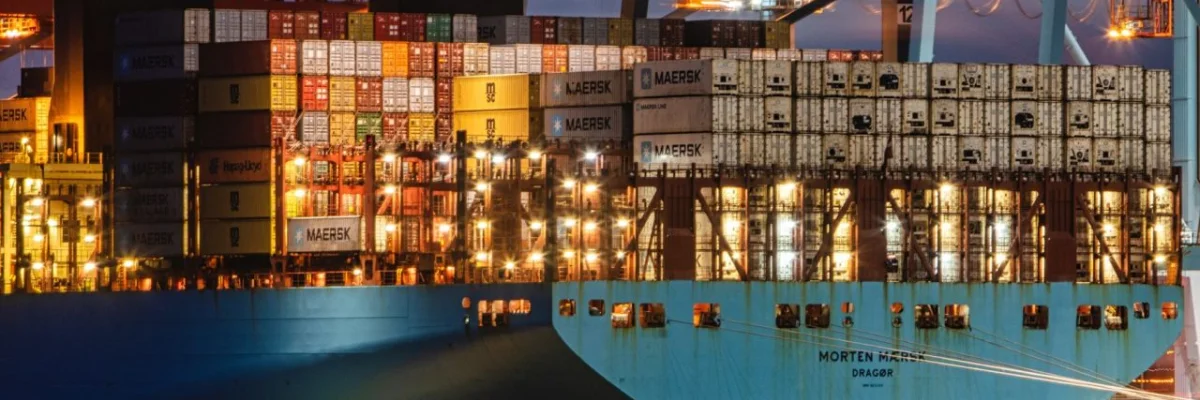
The global logistics landscape is undergoing a massive transformation driven by rapid digitization and changing customer expectations. As freight forwarders manage increasingly complex supply chains, the demand for precision, visibility, and agility has never been higher. Navigating these challenges requires more than just industry experience; it demands the adoption of robust digital strategies that streamline workflows and minimize human error. By integrating advanced software solutions, professionals can convert manual, paper-heavy processes into efficient digital workflows. This article explores critical operational strategies designed to help your team stay competitive, improve customer satisfaction, and achieve long-term success in the dynamic world of international shipping.
Optimizing Supply Chain Visibility
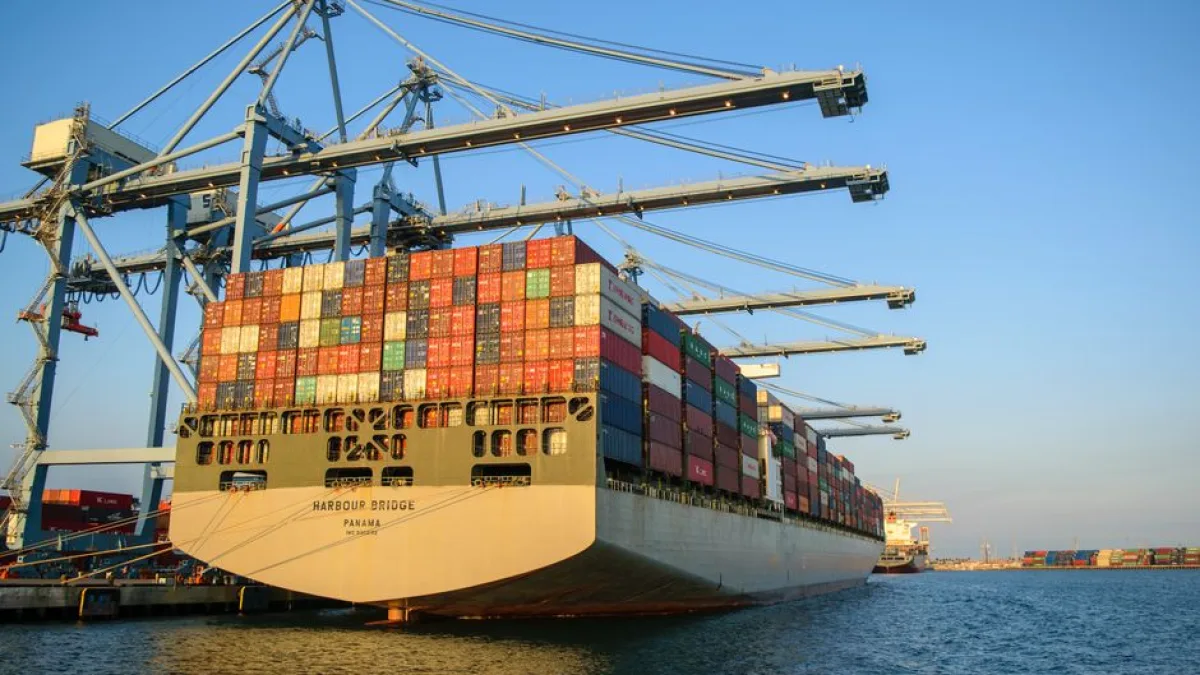
Real-time tracking provides the transparency that modern shippers expect from their partners. By leveraging digital platforms, forwarders can monitor shipments across different modes of transport, ensuring that every stakeholder remains informed throughout the transit lifecycle while proactively managing potential delays.
- Centralized data access: Consolidate shipment information into a single cloud platform to eliminate information silos and ensure that every team member views the same accurate, live data updates.
- Automated status notifications: Configure your freight software to send automatic status updates to clients, which significantly reduces the administrative burden of handling constant manual inquiries and emails.
- Proactive delay management: Utilize predictive analytics tools to identify potential bottlenecks before they happen, allowing your staff to reroute shipments and avoid costly impacts for your customers.
- Enhanced client portals: Provide a dedicated portal for your customers to access their shipping history and documentation, fostering trust through professional and easy to navigate digital experiences.
Achieving total visibility turns your operations from a reactive service into a proactive asset. When your clients have immediate access to their cargo status, your team can pivot their focus toward value added services rather than repetitive status checks. Consistent communication via automated tools builds long term loyalty and establishes your firm as a reliable leader in an increasingly crowded international logistics market.
Streamlining Documentation Workflows

Managing complex shipping documents manually often leads to errors that cause customs delays and financial penalties. Modern software automates document generation, ensuring compliance with international regulations while significantly reducing the time spent on tedious administrative data entry tasks for your staff.
- Automated document generation: Use templates to create bills of lading and commercial invoices instantly, saving hours of manual drafting while maintaining consistency across all of your outgoing shipments.
- Digital signature integration: Implement electronic signature tools to expedite the approval process, effectively eliminating the need for printing, scanning, or mailing physical documents to your clients.
- Standardized compliance checks: Incorporate automated validation tools that verify customs codes and regulatory requirements, ensuring that every submission meets the necessary standards for seamless cross border movement.
- Cloud based storage: Maintain a secure, organized repository for all shipping records, which facilitates quick retrieval during audits and ensures your business maintains full regulatory compliance.
Digital documentation is the foundation of a modern forwarding operation that values speed and accuracy. By removing the friction associated with physical paperwork, you allow your team to process higher volumes of shipments without sacrificing quality control. Investing in document automation not only accelerates your billing cycles but also minimizes the risks of fines or shipment holds that frequently arise from manual errors.
Building Stronger Carrier Relationships

Strong partnerships with carriers are essential for securing competitive rates and reliable space during peak seasons. Effective collaboration relies on clear communication, timely payments, and the smart use of data to negotiate better terms that benefit both your business and clients.
- Performance tracking tools: Monitor carrier reliability metrics within your dashboard to identify the best partners for specific routes, ensuring consistent quality for your high value shipments.
- Shared digital platforms: Enable direct collaboration with carriers through integrated software, which streamlines communication and ensures that booking confirmations are received and processed without any delay.
- Transparent rate negotiations: Use historical shipping data to support your negotiations, helping you secure volume based discounts and priority space allocations during challenging market cycles and surges.
- Prompt payment cycles: Automate your accounting processes to ensure that carrier invoices are settled on time, which strengthens your reputation and prioritizes your cargo during shortages.
Nurturing your relationships with key carriers creates a competitive advantage that goes beyond simple pricing. When carriers view your firm as an organized and easy partner to work with, they are more likely to offer you preferential treatment during capacity crunches. This collaborative approach ensures that your operations remain resilient even when global logistics networks experience significant disruption or severe capacity constraints.
Enhancing Customer Experience Standards

Customer satisfaction remains the primary driver of growth in the logistics industry. Beyond moving goods, you must provide a seamless, supportive experience that simplifies shipping for your clients and positions your company as a strategic partner for their growth.
- Personalized communication strategies: Tailor your client interactions based on their specific shipping history and preferences, which fosters a deeper professional relationship and increases overall client retention rates.
- Efficient dispute resolution: Use a centralized ticket system to track client concerns, ensuring that no request is overlooked and that issues are resolved with professional speed.
- Value added service offerings: Expand your portfolio to include insurance management or customs consulting, providing comprehensive solutions that go far beyond standard freight forwarding service requirements.
- Feedback collection loops: Implement automated surveys after every shipment to gain actionable insights, allowing you to improve your internal processes based on direct customer experiences and needs.
Prioritizing the customer experience transforms your business from a commodity provider into an indispensable supply chain partner. When you deliver consistent, transparent, and user friendly service, your clients will be more likely to entrust you with higher volumes of cargo. Focusing on these high touch points ensures that your business model remains sustainable, profitable, and highly attractive to your target global market.
Conclusion

Modernizing your freight forwarding operations requires a commitment to digital tools that enhance efficiency and transparency. By focusing on visibility, documentation, carrier relations, and client service, you position your firm to navigate the complexities of global trade with confidence. Start optimizing your workflows today to build a more resilient and competitive logistics business that thrives in an increasingly connected, fast paced, and digital world.