Essential Strategies for Freight Forwarding Efficiency
Monday, September 28 2026
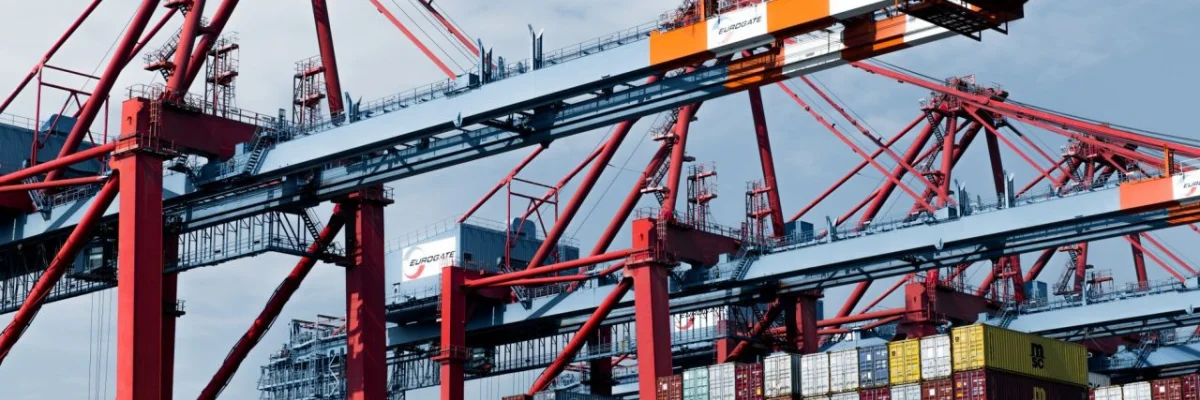
The modern logistics landscape is evolving at a breakneck speed, forcing freight forwarders to adapt or risk falling behind in a competitive market. Achieving operational excellence requires more than just industry knowledge; it demands the seamless integration of digital tools, proactive communication, and rigorous data management. By focusing on workflow automation and transparent client interactions, forwarders can significantly reduce manual errors and improve overall delivery timelines. Embracing a culture of continuous improvement is no longer optional but a fundamental requirement for success. Implementing these proven best practices will help your logistics business navigate complex supply chains while consistently delivering superior value to every customer.
Optimizing Shipment Documentation

Accurate documentation remains the backbone of successful international shipping operations. Reducing errors during the paperwork phase prevents costly delays at customs and ensures that goods move through transit points without unnecessary friction or compliance penalties during the inspection process.
- Digitizing Entry Forms: Transitioning from manual paper filing to cloud-based systems allows your team to input data once and sync it across all departments for better accuracy and speed.
- Automated Validation Checks: Implementing software that automatically flags missing signatures or incorrect HS codes helps prevent common data entry mistakes before documents are submitted to port authorities.
- Standardized Filing Systems: Creating a consistent folder structure for every shipment ensures that your team can locate critical manifests, bills of lading, and invoices in mere seconds.
- Real-time Cloud Access: Storing all documentation in a centralized digital portal gives your staff and clients instant visibility into the status of every required compliance certificate.
By shifting focus toward a paperless environment, forwarders can eliminate the bottleneck of manual data processing. Investing in automated document validation saves countless hours of administrative labor while simultaneously lowering the risk of human error. As your team grows, having a scalable and digital-first documentation process becomes the foundation for maintaining high quality standards and meeting strict regulatory requirements across global trade routes.
Building Stronger Carrier Relationships
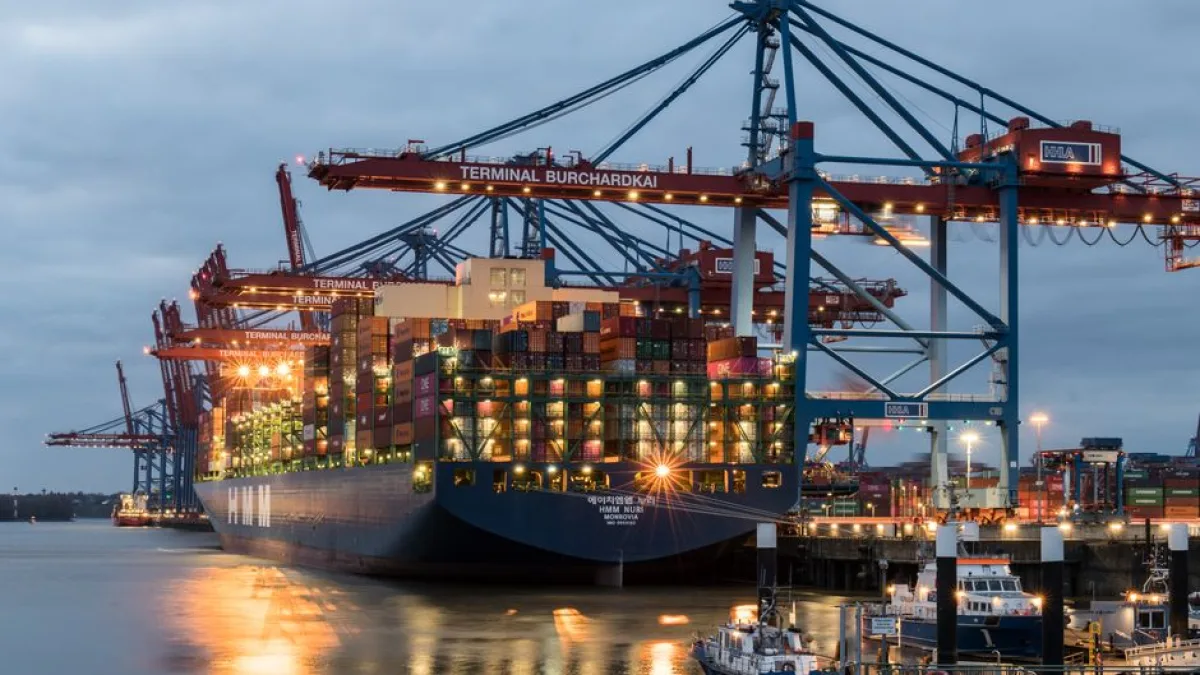
Maintaining healthy relationships with ocean and air carriers provides a significant strategic advantage during periods of market volatility. When capacity is tight, forwarders with established partnerships often secure better rates and preferential space allocations for their clients' cargo.
- Consistent Communication Cycles: Scheduling regular check-ins with your carrier representatives helps build trust and ensures that you remain informed about potential schedule shifts or capacity adjustments.
- Honest Volume Forecasting: Providing accurate and transparent volume projections allows your carrier partners to allocate equipment more effectively while positioning you as a reliable market player.
- Mutual Performance Reviews: Conducting periodic evaluations of carrier service levels encourages accountability and provides a platform to address recurring issues before they impact your end customers.
- Collaborative Issue Resolution: Approaching delays as a shared challenge fosters a collaborative spirit, leading to faster problem solving and more flexible solutions when urgent situations inevitably arise.
Building long-term loyalty with carriers goes beyond simple contract negotiations. It requires a commitment to transparency and mutual reliability that creates a buffer against unpredictable industry shifts. By positioning yourself as a partner rather than just a customer, you gain access to vital insights and support that help your business maintain steady service levels even when global logistics networks are under extreme stress.
Leveraging Real-time Cargo Visibility

True visibility is the key to managing customer expectations in a globalized economy. Clients today demand precise updates regarding their cargo location and potential transit delays, making real-time tracking an essential feature for every freight forwarding firm aiming to increase satisfaction.
- Integrated Tracking Portals: Deploying software that pulls data directly from carrier APIs provides clients with a transparent view of their shipments without manual email inquiries.
- Proactive Delay Alerts: Setting up automated notifications ensures that customers are alerted to status changes immediately, allowing them to adjust their own internal operations accordingly.
- Exception Based Management: Focusing your energy only on shipments that face significant deviations allows your team to prioritize high-value tasks and resolve critical issues faster.
- Data Driven Insights: Analyzing historical tracking data reveals recurring transit patterns that allow your team to optimize routes and select more reliable service providers for clients.
Total transparency is no longer a luxury but an expected standard in modern logistics services. Providing real-time updates not only reduces the volume of support emails but also empowers your clients with the data they need to make informed decisions. By prioritizing digital tracking solutions, your company fosters trust, reduces operational overhead, and differentiates itself from competitors who still rely on outdated tracking methods.
Prioritizing Client Communication Channels

Exceptional client service is what sets high-performing freight forwarders apart from the competition. Establishing structured and professional communication channels ensures that your clients feel supported throughout the entire shipping process, from initial booking to the final delivery at the warehouse.
- Unified Messaging Platforms: Using a single communication hub prevents important details from being lost in disparate email threads and ensures all team members stay informed.
- Clear Response Protocols: Defining specific service level agreements for response times guarantees that customers receive the attention they need during every phase of their supply chain.
- Automated Status Updates: Sending periodic reports via automated email sequences keeps your clients updated without placing an excessive burden on your internal account management staff.
- Simplified Client Portals: Giving customers a self-service interface allows them to download invoices and view history, which empowers them while reducing your administrative workload.
Effective communication builds the long-term relationships necessary for sustainable growth in the freight forwarding sector. By streamlining how information is shared, your team provides a superior experience that encourages client retention and positive word-of-mouth referrals. Investing in platforms that centralize and automate your client touchpoints ensures that your professional reputation remains stellar even as your company manages an increasing number of complex shipments.
Conclusion

Mastering these operational strategies provides the clarity and efficiency needed to scale your freight forwarding business successfully. By automating documentation, fostering strong carrier partnerships, and prioritizing transparent client communication, you position your firm as a leader in the global logistics industry. Start implementing these best practices today to streamline your workflows, reduce unnecessary errors, and deliver exceptional service to every client you serve.