Essential Strategies for Freight Forwarding Efficiency
Saturday, October 24 2026
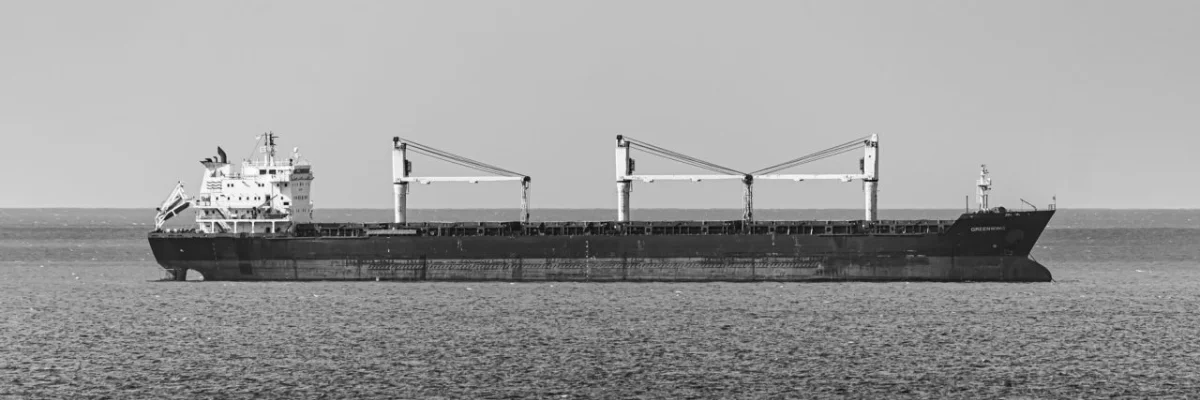
In the fast-paced world of global logistics, freight forwarders must balance speed, accuracy, and client satisfaction to remain competitive. As supply chains become increasingly complex, relying on manual processes and disconnected systems can lead to costly errors and delays. By embracing digital transformation and refining internal operational workflows, professionals can better manage cargo movements and improve communication across the entire transport chain. This article explores actionable best practices designed to help forwarders leverage technology effectively, optimize carrier relationships, and deliver superior service in an unpredictable market environment. Success in this industry demands adaptability, strategic foresight, and a commitment to continuous improvement.
Automate Your Documentation

Transitioning from paper-based manual entry to automated documentation systems eliminates human error and accelerates processing times significantly. Modern software allows teams to generate essential shipping documents instantly, ensuring that compliance standards are met while reducing the administrative burden on your staff members.
- Use intelligent templates: Pre-configured document templates allow staff to populate shipping data automatically, which reduces repetitive data entry and minimizes the risk of typos during the critical booking process.
- Centralize digital storage: Keep all customer contracts, invoices, and customs forms in a unified cloud database to ensure team members access the latest versions of every critical file.
- Integrate customs APIs: Connecting your platform directly to customs authorities simplifies the declaration process and ensures that your documentation complies with regional trade regulations at all times.
- Enable smart validation: Implement automated rules that flag missing information before documents are submitted to ports or carriers, preventing expensive delays caused by incomplete or inaccurate shipping paperwork.
Adopting digital document management is a fundamental step toward modernizing your logistics operations and enhancing overall service delivery. By removing the reliance on physical files, your team saves valuable time that can be redirected toward high-value client communication and business growth activities. These strategic improvements help maintain professional standards while scaling operations efficiently to handle larger cargo volumes throughout the peak shipping season.
Optimize Carrier Coordination
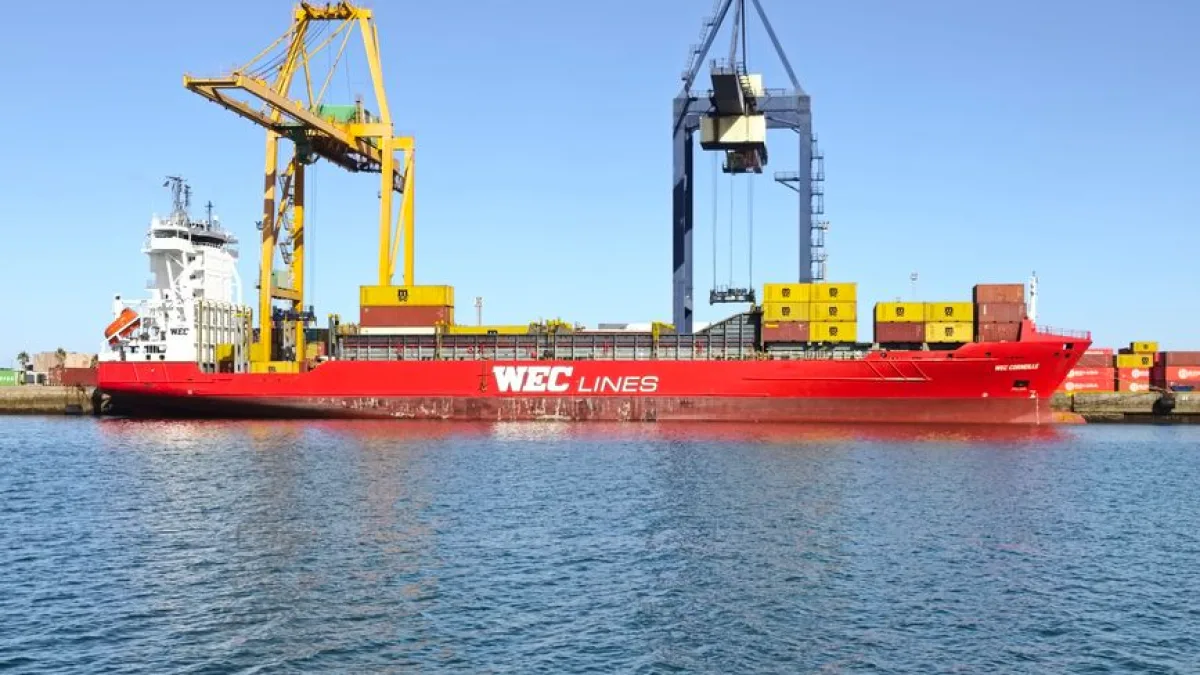
Managing multiple carrier relationships requires a robust strategy for communication and performance tracking. By maintaining clear lines of contact and utilizing real-time tracking data, you can anticipate potential transit issues and provide proactive updates to your customers before problems escalate into major service disruptions.
- Track performance metrics: Monitor carrier reliability through consistent data analysis to identify the best partners for specific trade lanes and ensure that your clients receive the highest value.
- Automate rate requests: Use a centralized platform to send requests for quotes to multiple carriers simultaneously, which helps you secure competitive pricing without exhaustive manual email communication efforts.
- Verify vessel status: Integrate live vessel tracking updates into your client portal so that customers stay informed about their shipments without needing to contact your operations team directly.
- Centralize carrier contacts: Keep an organized directory of regional agent contacts and carrier representatives to facilitate faster problem solving when shipments encounter unexpected delays or routing changes during transit.
Effective carrier coordination is the backbone of reliable freight forwarding services in a global economy. Developing strong partnerships while leveraging technical tools allows your business to respond quickly to market changes and capacity shortages. As you refine these relationships, you create a more resilient network that protects your reputation and keeps your clients satisfied despite the common challenges found in international transport.
Improve Client Transparency

Building long-term client loyalty depends largely on transparency and the quality of information provided throughout the shipping journey. When customers have access to real-time visibility tools, the perceived value of your services increases, and the frequency of routine status inquiry calls decreases for your support team.
- Create client portals: Provide a secure login area where customers can view their shipment status, download invoices, and access tracking history without needing to send manual emails.
- Send automated alerts: Configure push notifications or email triggers that update customers at specific milestones, such as cargo pickup, departure, or customs clearance, to maintain consistent contact.
- Share milestone updates: Use proactive messaging to inform stakeholders about shipment progress, which builds trust and demonstrates that your agency is actively managing the logistical process.
- Simplify status reports: Deliver clean, simplified summaries that highlight essential shipment data, allowing your clients to understand their supply chain status at a glance without reviewing details.
Providing clear and consistent visibility is a key differentiator in today's crowded freight forwarding landscape. Clients prioritize agencies that offer reliable information access and proactive communication strategies. By investing in tools that put data at their fingertips, you empower your customers to manage their supply chains more effectively while positioning your firm as a modern, transparent partner that they can trust.
Strengthen Financial Operations

Managing cash flow and invoicing precision is essential for the long-term health of any freight forwarding business. Automating financial workflows reduces the likelihood of billing discrepancies and ensures that your margins remain protected through faster invoice processing and more accurate cost calculation methods.
- Automate invoice generation: Create professional invoices immediately upon shipment arrival to ensure that you receive payment promptly and maintain a healthy cash flow for daily operations.
- Track hidden costs: Monitor every surcharge and carrier fee diligently to ensure that you accurately bill customers and avoid losing profit on complex international transit shipments.
- Sync accounting software: Use direct integrations between your freight management platform and accounting systems to eliminate duplicate entries and maintain perfect alignment across your financial reports.
- Audit expense records: Review historical shipping expenses periodically to identify trends or unnecessary charges, which helps you negotiate better rates and improve the profitability of every move.
Financial stability allows your freight forwarding agency to focus on innovation and service excellence rather than reacting to cash flow crises. By streamlining your accounting and billing processes, you reduce administrative overhead and gain better insights into your business performance. These improvements are necessary for sustainable growth, enabling you to make informed decisions that optimize profit margins and enhance your service offerings.
Conclusion
Mastering the complexities of freight forwarding requires a combination of smart technology and disciplined operational practices. By digitizing documentation, strengthening carrier relationships, increasing client transparency, and securing your financial workflows, you position your firm for sustained success. Start by implementing these best practices today to streamline your daily operations and provide the high-quality logistics service your clients demand in a competitive global market.