Essential Strategies for Freight Forwarding Efficiency
Wednesday, October 28 2026
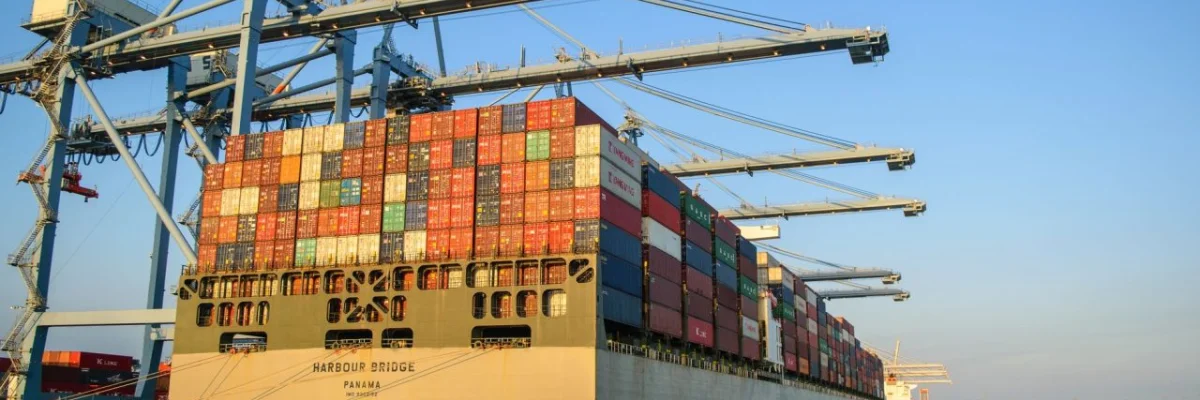
Modern freight forwarding requires a delicate balance of speed, accuracy, and client communication. As global trade becomes increasingly complex, professionals must leverage advanced technology to remain competitive in a saturated market. Whether you are managing ocean shipments or air cargo, the ability to streamline internal processes defines your bottom line. By prioritizing digital integration and proactive shipment visibility, you can mitigate common industry bottlenecks effectively. This guide explores four fundamental pillars designed to help your logistics operations run smoother, reduce human error, and deliver superior service to your valued clients, ultimately positioning your brand as a market leader in global logistics.
Optimizing Shipment Tracking Visibility

Real time shipment visibility is no longer a luxury but a fundamental expectation from modern shippers. Implementing digital tools ensures that every stage of the journey is accounted for, reducing the anxiety of manual updates and constant status request emails.
- Automated status updates: Utilize cloud based systems to push real time notifications to your clients automatically, effectively reducing the administrative burden on your support team and improving client satisfaction levels.
- Centralized data management: Consolidate every tracking number and document into a single platform to eliminate information silos and ensure that your team always has access to accurate shipment data.
- Proactive delay alerts: Establish automated triggers that notify stakeholders immediately when a vessel or flight encounters a delay, allowing your team to offer proactive solutions before clients complain.
- Integrated carrier portals: Connect your software directly with carrier APIs to fetch accurate tracking information without manually logging into multiple websites, which saves valuable time for your logistics coordinators.
- Visual tracking dashboards: Deploy intuitive dashboards that display shipment progress clearly, allowing your staff to identify bottlenecks at a glance and allocate resources where they are needed most urgently.
By shifting away from manual tracking spreadsheets, your team gains hours of productive time every single week. This transition not only reduces the risk of human oversight but also transforms the client experience into a transparent, data driven partnership. Investing in centralized tracking tools allows your forwarders to focus on high level strategy and relationship building instead of chasing down simple status updates every day.
Digital Document Management Best Practices

Managing global trade requires an immense amount of documentation including bills of lading, commercial invoices, and packing lists. Transitioning to a paperless environment significantly accelerates your workflow while enhancing the security and accessibility of sensitive cargo documentation for everyone.
- Cloud based archiving: Store all essential shipping documents in a secure, encrypted cloud environment that allows your remote teams to retrieve files instantly from any location around the world.
- Standardized naming conventions: Implement a strict file naming system across your entire organization to ensure that documents are easy to search, retrieve, and share without causing any unnecessary confusion.
- Automated file versioning: Use collaborative software that keeps track of document revisions, preventing team members from working on outdated files and minimizing errors in critical shipping paperwork and forms.
- Encrypted client portals: Provide your shippers with access to a secure portal where they can upload and download documents safely, reducing the reliance on insecure and slow email attachments.
- OCR scanning technology: Deploy optical character recognition tools to extract data from scanned paper documents directly into your platform, which eliminates manual data entry and common typing errors entirely.
Digital document management is the backbone of a high performing logistics firm. By digitizing your files, you create a robust audit trail that is easily accessible during regulatory reviews or client inquiries. This shift not only protects your business from data loss but also demonstrates professional competence. Modernizing your document workflows is a critical step toward achieving a truly efficient and paperless supply chain.
Strengthening Carrier Relationship Management

Success in freight forwarding relies heavily on the quality of your partnerships with various carriers. Building strong relationships ensures better rate negotiations, priority space allocation during peak seasons, and reliable support when unexpected global supply chain disruptions inevitably occur frequently.
- Regular performance reviews: Schedule recurring meetings with your carrier representatives to discuss service levels, rate structures, and volume commitments, ensuring that both parties are aligned on long term goals.
- Transparent volume forecasting: Share your projected shipping volumes with carriers early to help them plan capacity, which often results in better rates and preferential treatment for your bookings.
- Unified communication channels: Keep all correspondence with specific carrier agents within your platform to ensure that no vital information is lost in personal inboxes when staff members change roles.
- Incentive based programs: Design programs that reward carriers for consistent on time performance and excellent communication, fostering a culture of mutual respect and long term commitment between companies.
- Data driven negotiations: Utilize historical shipment data to negotiate competitive rates, showing carriers the specific lanes where you provide consistent volume to leverage better pricing for your shippers.
Strong carrier relationships act as a vital buffer against market volatility. When you treat carriers as strategic partners rather than simple vendors, you secure more reliability for your customers during peak demand. This approach requires consistent effort and transparency, but the payoff is a resilient logistics network. Cultivating these connections is essential for forwarders who want to survive and thrive in competitive markets.
Scaling Through Software Automation

Automation is the catalyst for scaling your freight forwarding business without increasing your headcount linearly. By automating repetitive tasks, you allow your employees to focus on complex problem solving and client relationship development, which ultimately drives higher profit margins and growth.
- Automated billing cycles: Implement software that generates invoices immediately upon shipment completion, significantly improving your cash flow and reducing the time your accounting team spends on manual billing.
- Dynamic quoting tools: Provide your sales team with automated quoting engines that calculate rates based on real time carrier costs, allowing for faster response times to new client inquiries.
- Custom workflow triggers: Use automation rules to move a shipment to the next stage of your process automatically once a specific document is uploaded or confirmed.
- Integration with accounting: Connect your logistics platform with your accounting software to sync financial data instantly, ensuring your books are always accurate without tedious manual data entry tasks.
- Customizable alert settings: Set up automated alerts for internal team members to address specific tasks, such as insurance renewals or expiring duty deferment bonds, before they become problems.
Automation does not replace the human element in freight forwarding but rather enhances it. By removing the drudgery of routine data entry, you empower your staff to provide the personalized service that keeps clients loyal. Implementing these software solutions allows your business to scale gracefully, handling higher volumes with greater precision and speed. The future of logistics belongs to those who embrace intelligent automation today.
Conclusion

Mastering these four areas of operations provides a solid foundation for any growing freight forwarding company. By prioritizing visibility, digital documentation, carrier relationships, and intelligent automation, you transform your business into a more resilient and efficient entity. Start by auditing your current workflows today to identify the most immediate opportunities for improvement. Consistent refinement of these processes will ensure long term success in this industry.