Essential Strategies for Modern Freight Forwarding Efficiency
Thursday, September 17 2026

The global logistics landscape is undergoing a massive transformation driven by digitalization and shifting market demands. For freight forwarders, staying competitive means more than just moving goods from point A to point B. It requires adopting smarter workflows, leveraging cloud-based technology, and maintaining transparent communication across the entire supply chain. As margins tighten and customers expect real-time visibility, professionals must pivot away from manual processes toward automated solutions. This article explores actionable strategies designed to help your freight forwarding business optimize operations, reduce human error, and build long-term resilience in an increasingly volatile international trade environment.
Mastering Digital Documentation

Modern freight forwarding relies heavily on the rapid exchange of accurate data. Moving away from paper-based systems to cloud solutions ensures that critical shipping documents are accessible, secure, and searchable, allowing your team to respond to client inquiries with unprecedented speed.
- Automated Data Entry: Implementing optical character recognition tools allows your team to convert physical shipping documents into digital records automatically, reducing manual input errors and saving significant operational time daily.
- Centralized Cloud Storage: Keeping all client files in a secure cloud environment ensures that your entire staff can access updated shipping documents from any location during daily operations.
- Standardized Filing Systems: Creating a consistent digital folder structure for all shipments helps your staff locate important paperwork quickly, which significantly improves overall productivity during peak shipping seasons.
- Encrypted Data Security: Protecting sensitive client information through advanced encryption methods is essential for building trust and ensuring your business complies with international data privacy regulations and standards.
Transitioning your documentation process to a digital-first approach provides a foundation for scalable growth. By removing the bottleneck of physical paperwork, your staff can focus on high-value tasks such as strategic planning and customer service. Consistent implementation of these digital tools will eventually lead to a more reliable documentation flow, keeping your team productive while maintaining the high accuracy required by global trade.
Optimizing Vendor Communication

Strong partnerships are the lifeblood of successful freight forwarding operations. Effective communication with carriers, warehouse managers, and agents is crucial to prevent delays. Utilizing centralized platforms ensures that every stakeholder remains informed about potential bottlenecks before they affect the final delivery schedules.
- Real-time Tracking Updates: Providing automated notifications to your vendors ensures that everyone stays aligned on shipment progress, which helps minimize misunderstandings regarding collection times and destination arrival windows throughout.
- Unified Messaging Hubs: Using a single platform for all vendor correspondence eliminates the confusion caused by scattered email threads and helps maintain a clear history of every interaction.
- Proactive Problem Solving: Establishing clear protocols for reporting shipment delays allows your team to address potential disruptions early, ensuring that your customers experience minimal impact during transit phases.
- Collaborative Performance Reviews: Conducting regular meetings with your core carriers helps to evaluate service quality and identify opportunities for improvement, fostering a stronger partnership that benefits your business.
Optimized communication is not just about speed but about clarity and accountability. When your vendors understand your expectations and have access to the right data, shipment execution becomes much smoother. By refining how you interact with your logistics partners today, you build a robust network capable of handling complex challenges, ensuring that your operations remain resilient even during global supply chain disruptions.
Leveraging Real-time Analytics
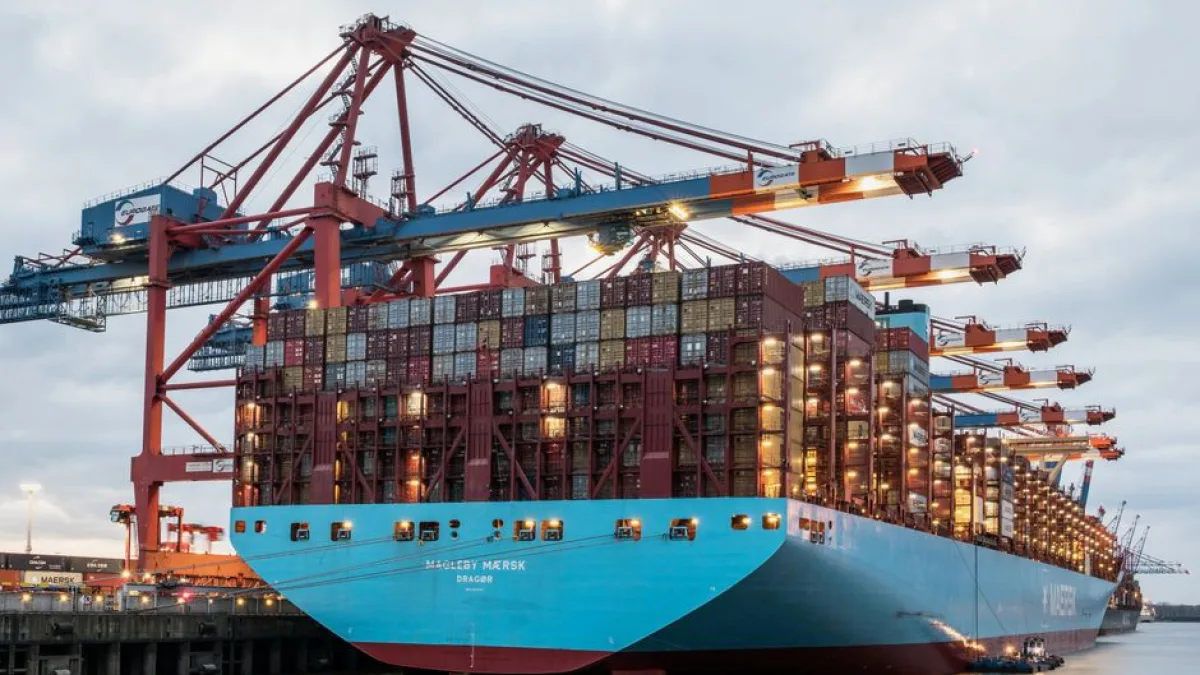
Data is a powerful asset in the logistics industry. By tracking key performance indicators such as transit times, cost per shipment, and carrier reliability, forwarders gain the insights needed to make informed decisions that directly impact their bottom line and service levels.
- Key Performance Monitoring: Tracking specific metrics like carrier transit accuracy allows your team to identify top performers and adjust your shipping strategies for better overall service results consistently.
- Cost Trend Analysis: Analyzing your shipping expenses over time helps identify patterns in carrier pricing, enabling your team to negotiate better rates for your high-volume transit routes.
- Predictive Capacity Planning: Using historical shipping data helps forecast future demand, allowing you to secure space with carriers in advance and avoid the high costs of spot.
- Customized Client Reporting: Generating automated reports for your customers provides them with the transparency they demand, which strengthens your relationships and improves overall client satisfaction and loyalty.
Data analytics transforms raw numbers into actionable business intelligence that drives profitability. By looking at historical trends rather than just current events, you can anticipate shifts in the market and prepare accordingly. Making data-driven decisions allows you to mitigate risks effectively, ensuring that your freight forwarding business remains profitable while simultaneously delivering superior value and transparency to your global client base.
Prioritizing Customer Experience

In a saturated market, the quality of your customer service often differentiates you from competitors. Freight forwarding is a service-oriented industry, and your ability to provide proactive updates and personalized support is what ensures that clients return to your business for future needs.
- Proactive Status Notifications: Sending automatic updates to clients about their shipment status keeps them informed throughout the process, which reduces the number of incoming inquiries to your desk.
- Personalized Account Management: Assigning dedicated account managers to your key clients ensures they always have a familiar contact who understands their specific logistics requirements and business preferences.
- Transparent Issue Resolution: When a disruption occurs, communicating the situation honestly and offering potential solutions quickly demonstrates your commitment to the client, which builds long-term professional trust.
- Feedback Collection Loops: Regularly asking clients for feedback on your service allows you to identify pain points and implement changes that keep your logistics offerings perfectly aligned today.
Excellent customer service is built on consistency, honesty, and proactive communication. By treating each shipment as an opportunity to reinforce your reputation, you establish your company as a reliable leader in the logistics sector. Focusing on the client experience not only increases retention rates but also turns your existing customers into advocates who recommend your services to others within their own networks.
Conclusion
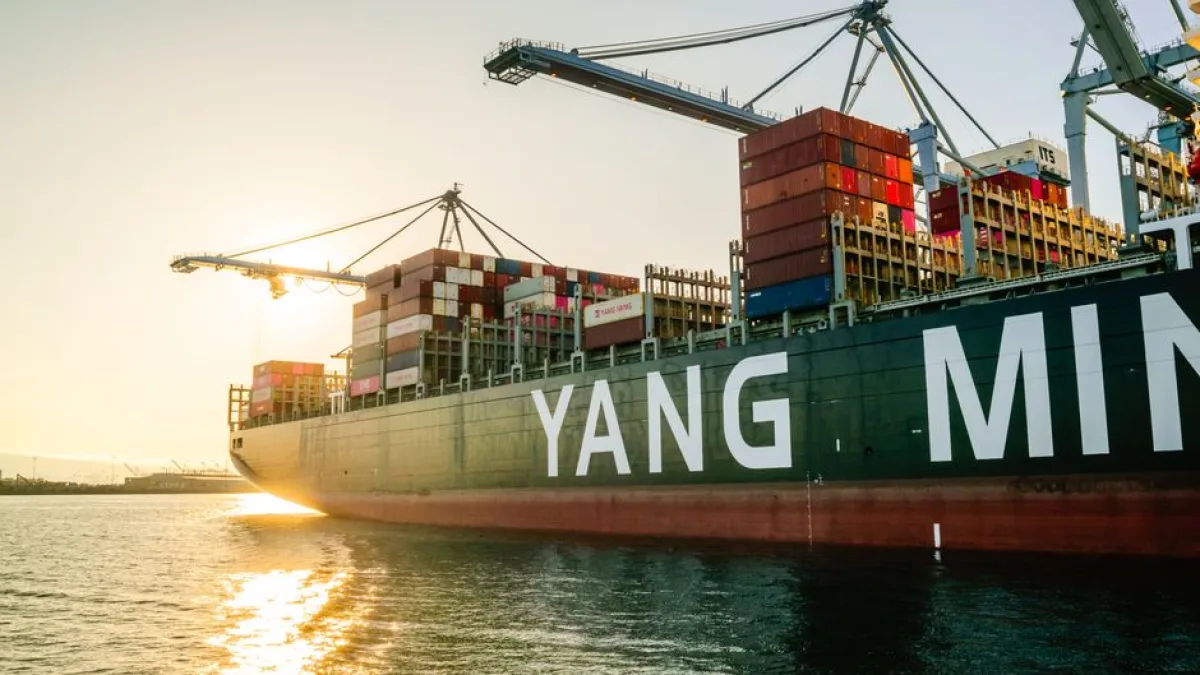
Adopting these strategies will position your freight forwarding business for sustainable success in a rapidly changing industry. By digitizing documentation, improving partner communication, utilizing data, and focusing on the client, you create a robust operational framework. Start implementing these best practices today to streamline your workflows, reduce unnecessary overhead costs, and deliver the exceptional service that modern global supply chains require for growth.