Essential Strategies for Modern Freight Forwarding Efficiency
Sunday, September 20 2026

The global logistics landscape is undergoing a massive digital transformation that demands agility and precision from every freight forwarder. As supply chains grow more complex, manual processes and fragmented data silos become significant bottlenecks that hinder growth and customer satisfaction. To remain competitive, forwarders must embrace cloud-based technology and data-driven decision making. By centralizing operations and automating routine tasks, professionals can dedicate more time to high-value client relationships and strategic network expansion. Adopting these best practices today prepares your business to navigate market volatility and meet the rising expectations of modern shippers who demand real-time visibility and seamless digital communication.
Optimize Your Digital Infrastructure

A robust digital foundation serves as the backbone for scaling operations and improving accuracy across all shipping lanes. By integrating centralized software, teams can reduce human error and ensure that every stakeholder has instant access to critical shipment information and documents.
- Cloud software adoption: Transitioning to cloud-based platforms allows your entire team to access shipment data from any location while ensuring that information remains secure and synchronized across departments.
- Data synchronization protocols: Implementing strict data entry standards helps prevent inconsistencies across multiple systems which ensures that your reporting and client communications are always precise and reliable.
- Automated document handling: Utilizing automated systems for customs declarations and bills of lading reduces administrative overhead while drastically cutting down the time required for standard paperwork processing.
- Software API integration: Connecting your freight platform with carrier systems via APIs enables real-time updates that keep your clients informed without the need for manual status checking.
Investing in your digital infrastructure provides a clear pathway to operational excellence and sustainable growth. When software handles the mundane technical heavy lifting, your team gains the flexibility to focus on solving complex logistics challenges for your clients. This shift not only lowers your internal operational costs but also increases your capacity to handle higher volumes of freight without requiring additional headcount or resources.
Enhance Client Communication Protocols

Clear communication is the cornerstone of maintaining long term client loyalty in the competitive freight industry. By establishing proactive update cycles, forwarders can manage expectations effectively and build trust even when supply chain disruptions occur in the global market.
- Automated status alerts: Configure your platform to send triggered notifications to clients at key milestones so they remain informed without needing to reach out for status updates.
- Transparent reporting tools: Providing clients with access to custom dashboards empowers them to track their own shipments which reduces the volume of repetitive inquiries for your team.
- Proactive issue resolution: Sharing information about potential delays before they impact delivery demonstrates reliability and professionalism while giving clients time to adjust their own internal supply planning.
- Standardized response times: Setting clear internal benchmarks for email and inquiry response ensures that every client feels valued and supported throughout the entire life of their shipment.
Transparent communication turns your service into a strategic partnership rather than a basic commodity. When you consistently deliver accurate and timely information, you position your firm as an essential advisor rather than just a vendor. This high level of service creates a competitive advantage that makes it difficult for clients to switch to competitors, ultimately boosting your long term customer retention rates.
Master Vendor and Carrier Relations
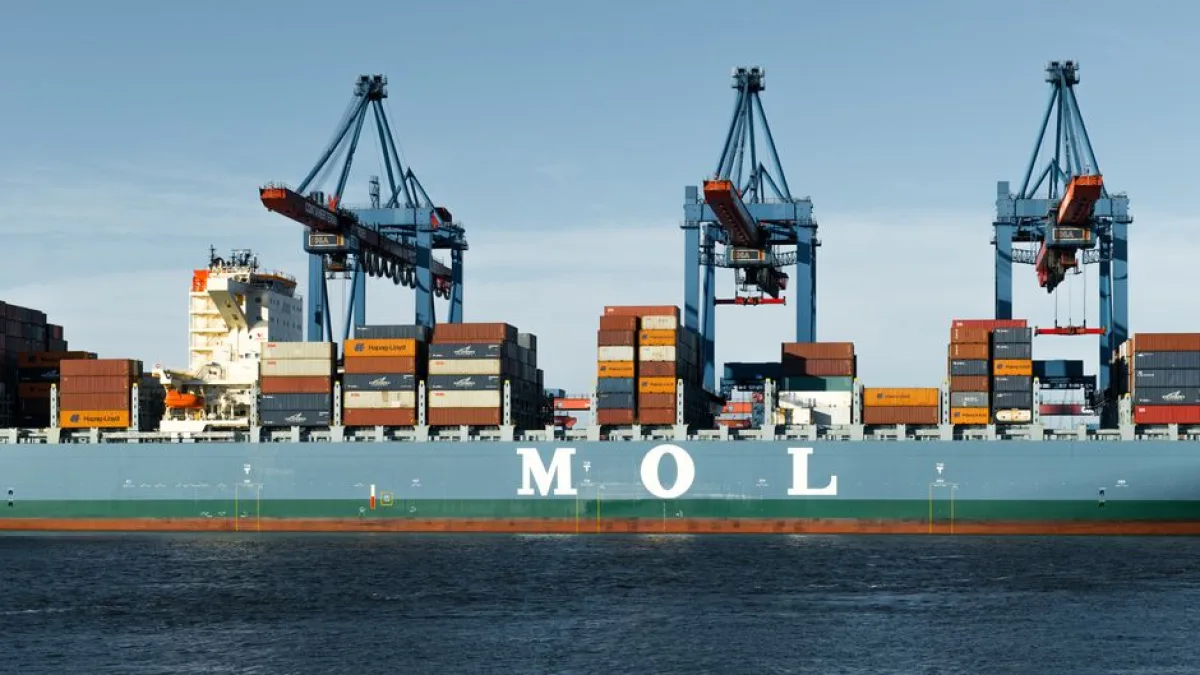
Building strong relationships with carriers is critical for securing space and negotiating favorable rates during peak season demand. Mutual trust and clear communication between forwarders and transport providers lead to more reliable scheduling and better outcomes for your end customers.
- Regular carrier meetings: Schedule consistent performance reviews with your primary ocean and air carriers to discuss service levels and identify opportunities for improved collaboration in future quarters.
- Clear volume forecasting: Sharing accurate projections of your shipping volumes helps carriers plan their capacity better and makes them more likely to prioritize your cargo shipments.
- Fair payment practices: Timely processing of carrier invoices builds your reputation as a reliable business partner and makes you a preferred choice when industry capacity is extremely tight.
- Strategic network diversification: Maintaining relationships with a diverse range of regional carriers provides you with backup options to mitigate risks when primary routes face unexpected service interruptions.
Effective management of your carrier network is the key to maintaining consistent service levels regardless of the market climate. By treating carriers as vital partners, you gain deeper insights into network availability and get priority access during times of crisis. This investment in professional relationships pays dividends by ensuring that your cargo moves smoothly and reliably even when global supply chain conditions become difficult.
Prioritize Continuous Process Improvement
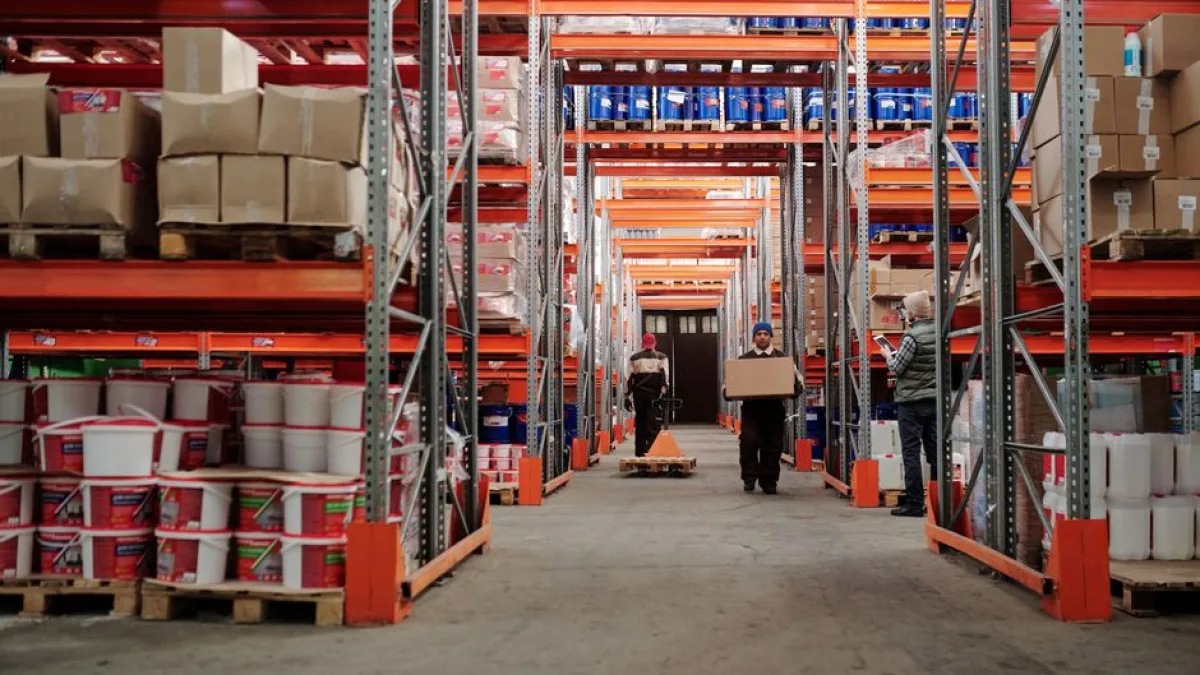
Efficiency is not a static goal but a continuous cycle of reviewing and refining your workflows to adapt to changing market requirements. Regularly auditing your operations helps identify hidden inefficiencies that may be slowing down your throughput and costing your business money.
- Weekly performance audits: Review your shipment cycle times and internal processing errors each week to pinpoint areas where your team needs additional training or system process improvements.
- Staff training programs: Keep your team updated on the latest industry regulations and software features to ensure they are utilizing all available tools to their maximum potential.
- Feedback loop integration: Actively gather input from both your logistics staff and your clients to understand which parts of your service process cause friction or require refinement.
- Standardized workflow documentation: Maintain an up to date knowledge base that outlines step by step procedures to ensure consistency even as your team grows and roles shift.
Committing to constant improvement keeps your logistics firm agile and ready for whatever the market brings next. By regularly analyzing your internal metrics, you can make data driven decisions that refine your operations and optimize your resources. This proactive mindset prevents stagnation and ensures that your company remains a leader in the freight forwarding space for many years into the future.
Conclusion
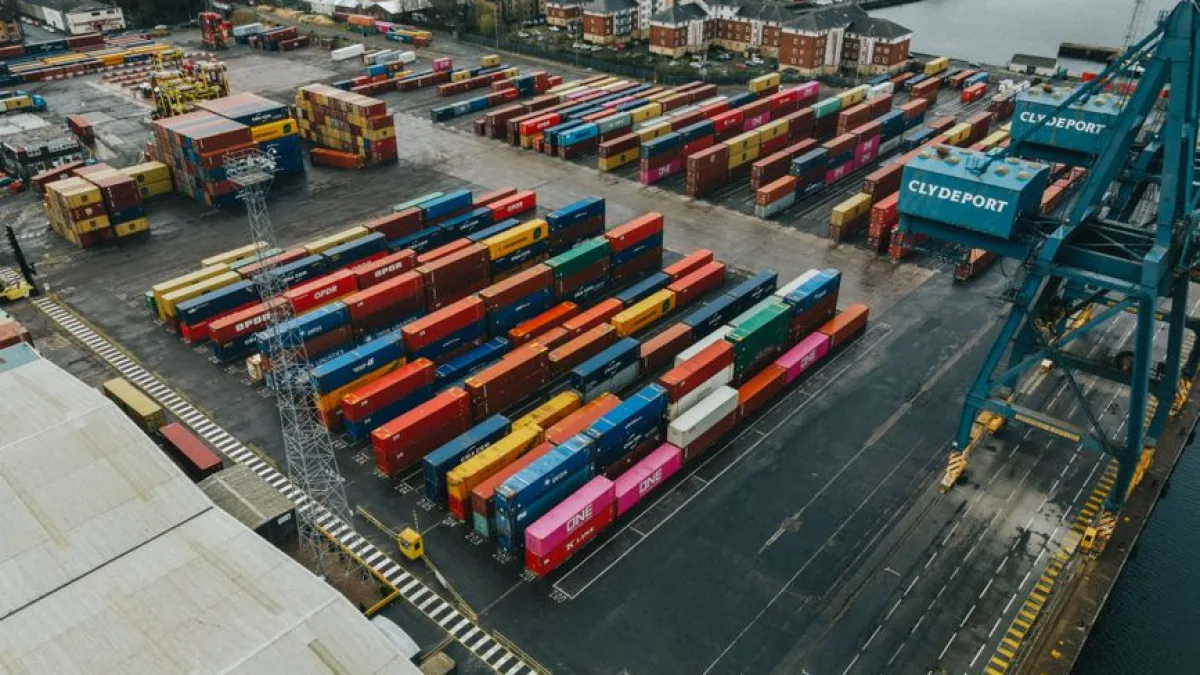
Adopting these best practices allows you to build a more resilient and efficient freight forwarding operation. By focusing on technology integration, proactive client relations, strong carrier partnerships, and constant process improvement, you will set a standard for excellence. Leverage these strategies within your own firm to minimize overhead, maximize productivity, and provide superior service that keeps your logistics clients coming back for more.