Essential Strategies for Modern Freight Forwarding Excellence
Monday, July 27 2026

The global logistics landscape is undergoing a period of intense transformation as freight forwarders face increasing pressure to balance efficiency with visibility. Navigating volatile supply chains requires more than just traditional industry knowledge. It demands a proactive approach to technology adoption, client communication, and operational transparency. By refining core workflows and embracing digital solutions, professionals can move away from reactive firefighting and toward a scalable, high-performance model. This guide outlines actionable strategies designed to help your team maintain a competitive edge while delivering consistent value in a crowded marketplace where every minute and every shipment counts toward your bottom line success.
Optimizing Shipment Tracking Visibility
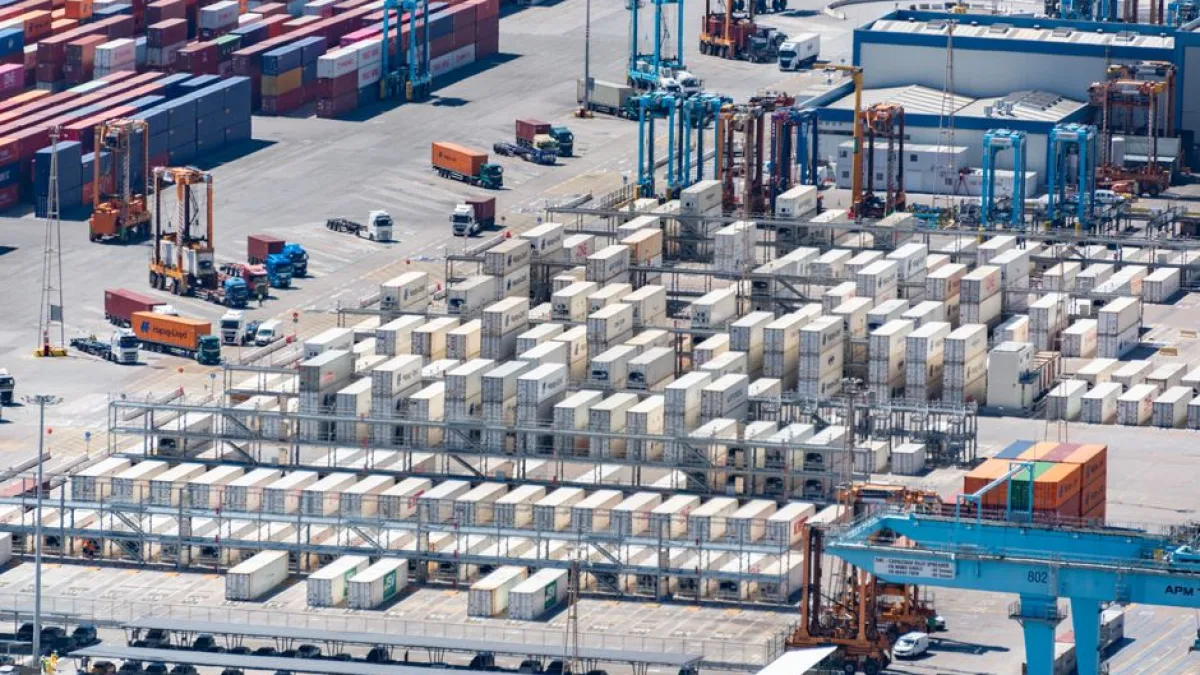
Real-time visibility serves as the backbone of modern freight forwarding operations because it empowers teams to anticipate disruptions before they impact final delivery schedules. Providing clients with accurate, live data updates builds deep trust and significantly reduces the manual administrative burden on your internal support staff.
- Proactive status alerts: Configure automated notification systems that send instant updates to your customers whenever a shipment status changes, ensuring they remain informed without needing to call your office.
- Centralized data dashboards: Consolidate tracking information from multiple carrier APIs into one unified interface to eliminate the need for manual data entry and reduce human error during updates.
- Predictive delay management: Utilize advanced analytics to identify potential bottlenecks in your transit routes, allowing you to provide proactive solutions to clients instead of waiting for complaints.
- Client portal access: Grant your customers secure login capabilities so they can monitor their shipments in real time, which minimizes redundant communication and improves overall service satisfaction.
Transforming how you manage tracking data is essential for long-term growth. When clients can access information independently, your team is freed from repetitive status inquiries. This shift allows your staff to focus on high-value tasks like strategic route planning and complex problem solving. Modernizing these processes ensures that your business remains agile, responsive, and ready to meet the evolving demands of global trade partners.
Standardizing Documentation and Compliance

Documentation errors represent one of the most common causes of cargo delays and costly fines in international shipping. Establishing a rigorous, standardized workflow for handling customs filings and shipping papers ensures that every transaction meets global regulatory requirements without unnecessary and time-consuming manual intervention.
- Automated document templates: Create standardized forms that auto-populate with shipment details, preventing typos and ensuring that all mandatory information is included before filing with customs authorities.
- Digital storage systems: Implement a cloud-based filing architecture where every document is indexed and tagged, making retrieval instant during audits or unexpected carrier requests for documentation.
- Validation logic checks: Embed automated validation steps into your workflow to flag incomplete fields or incorrect HS codes before the final submission to port or customs officials.
- Multi-language support features: Use translation tools within your documentation suite to bridge communication gaps when working with international agents or customs brokers across diverse geographical regions.
Adopting a standardized approach to documentation changes the way your team handles compliance. By removing the guesswork from filing, you significantly reduce the risk of detained cargo and penalty fees. Investing in these digital safeguards protects your operational margin and enhances your professional reputation as a reliable forwarder. Reliable data handling builds the structural integrity needed to scale your freight forwarding business effectively.
Streamlining Communication With Partners

Clear communication is the bridge that connects freight forwarders, carriers, and shippers across the globe. Developing a structured protocol for interacting with external partners prevents information silos, minimizes confusion during urgent situations, and ensures that everyone is aligned on the specific requirements for every single shipment you manage.
- Integrated messaging channels: Replace fragmented email threads with dedicated communication platforms that link specific conversations directly to shipment files, keeping all relevant stakeholders informed in real time.
- Carrier performance metrics: Maintain a scorecard for your partner carriers to track their responsiveness and punctuality, which helps you choose the most reliable options for future shipments.
- Automated partner updates: Schedule regular automated progress reports for your sub-contractors to ensure they are prepared for pick-up and delivery windows without requiring constant manual check-ins.
- Collaborative workflow tools: Use shared digital environments where partners can upload their documents and signatures directly, removing delays associated with physical paperwork or long email chains.
Effective collaboration is the heartbeat of a successful freight forwarding firm. When your communication channels are clear and efficient, you eliminate the friction that often delays complex international logistics. Prioritizing these streamlined interactions fosters stronger relationships with carriers and clients alike. By investing in better collaboration tools today, you prepare your firm for a future where speed and accuracy define market leadership.
Leveraging Cloud Software for Scalability

The transition to cloud-based freight software marks a turning point for forwarders looking to grow their operations beyond current constraints. Moving your core business functions to the cloud enables true flexibility, allowing your team to access critical data from anywhere while ensuring that your systems remain updated, secure, and ready for rapid expansion.
- Real-time system updates: Utilize cloud platforms that provide continuous software improvements and security patches, ensuring that your team always uses the latest features without requiring manual installations.
- Infinite data scalability: Benefit from flexible storage solutions that expand along with your company, allowing you to manage increasing shipment volumes without hitting hardware or performance limitations.
- Multi-location coordination: Connect your various branch offices through a single cloud interface, enabling seamless collaboration and unified data reporting regardless of where your staff members are located.
- Enhanced cybersecurity measures: Leverage the enterprise-grade protection offered by reputable cloud providers to safeguard your sensitive business data against unauthorized access and potential digital threats or breaches.
Cloud software is more than a technical upgrade because it represents a fundamental change in how you manage your logistics business. It provides the agility required to adapt to market fluctuations and the security needed to operate with confidence. By centralizing your operations in the cloud, you create a robust foundation that supports innovation. Start your digital transformation journey with MakeCargo to simplify operations.
Conclusion

Mastering freight forwarding requires a combination of smart technology, consistent workflows, and open communication channels. By focusing on visibility, compliance, partnership coordination, and cloud scalability, you position your firm to outperform competitors in an increasingly complex market. Implement these practices today to ensure your operations are efficient and future-ready. Reach out to MakeCargo to discover how our platform can elevate your logistics business.